Welcome to the Cultural Heritage of Kerala
Explore the rich history, traditions, art, and festivals of Kerala.
Learn MoreExplore the Kerala
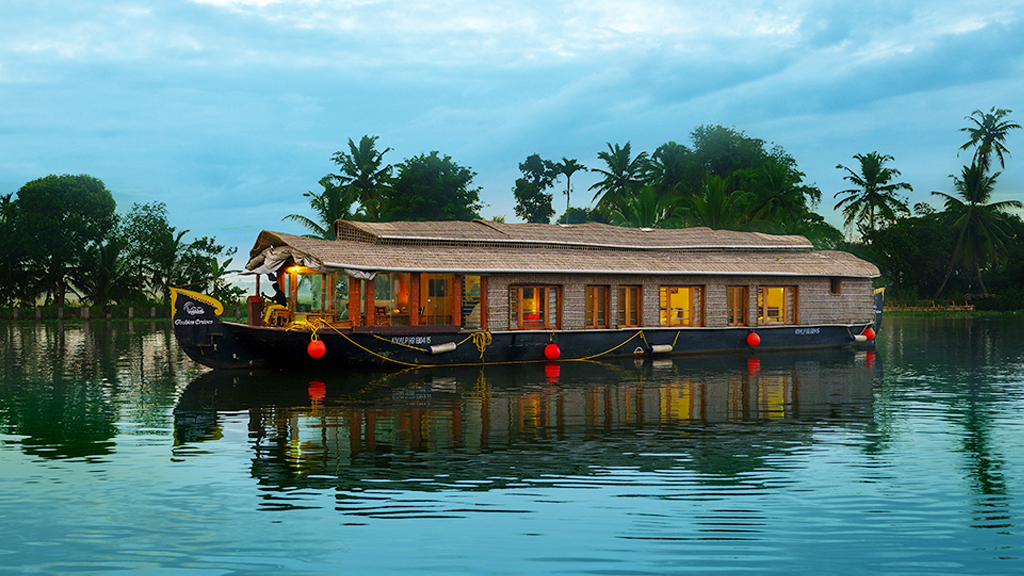
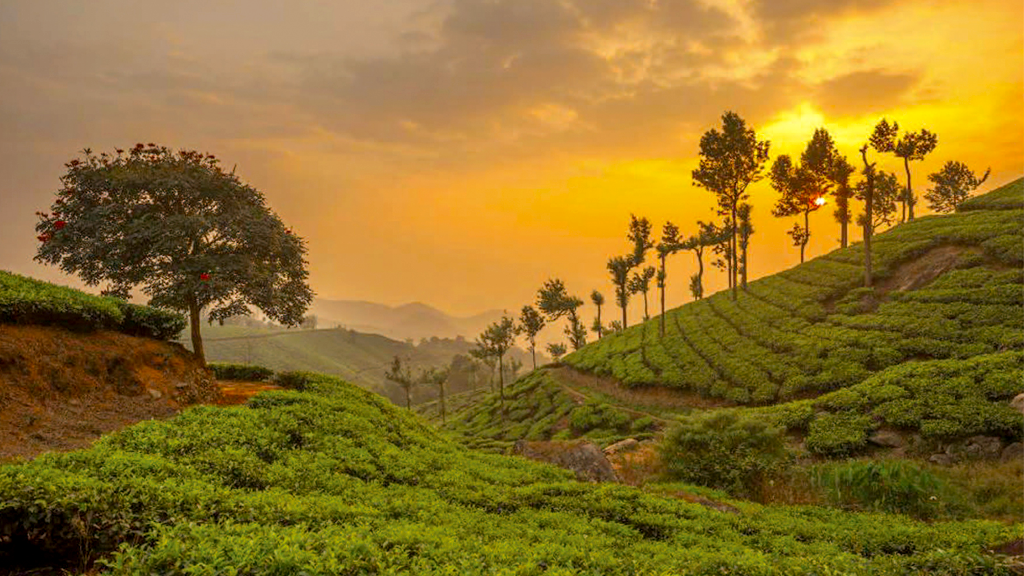
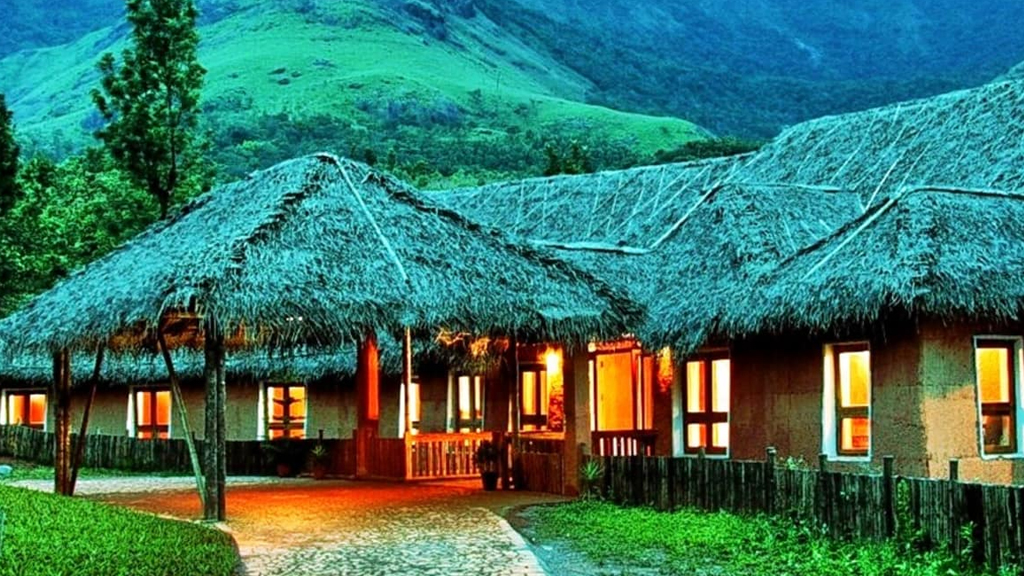
About Kerala
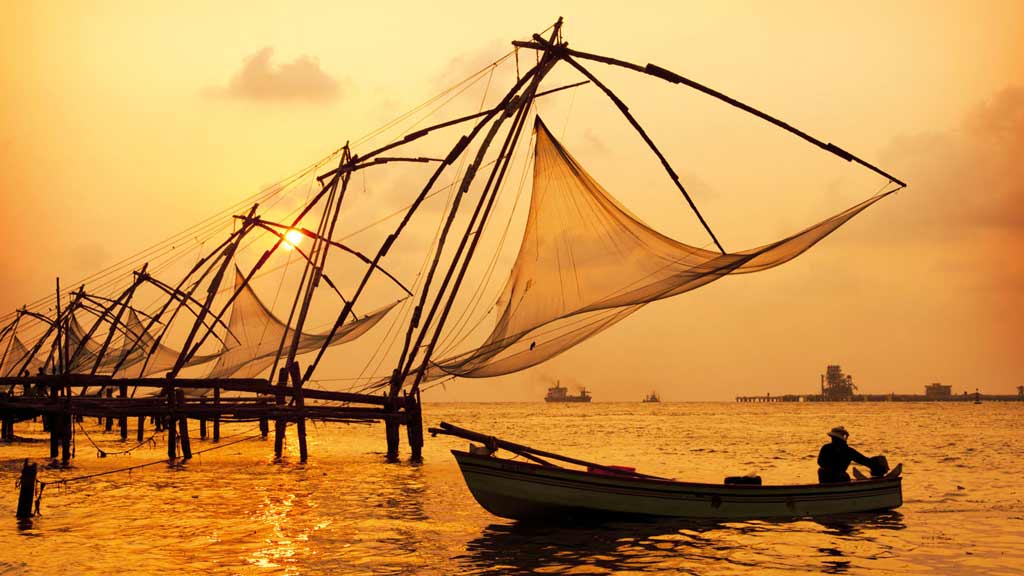
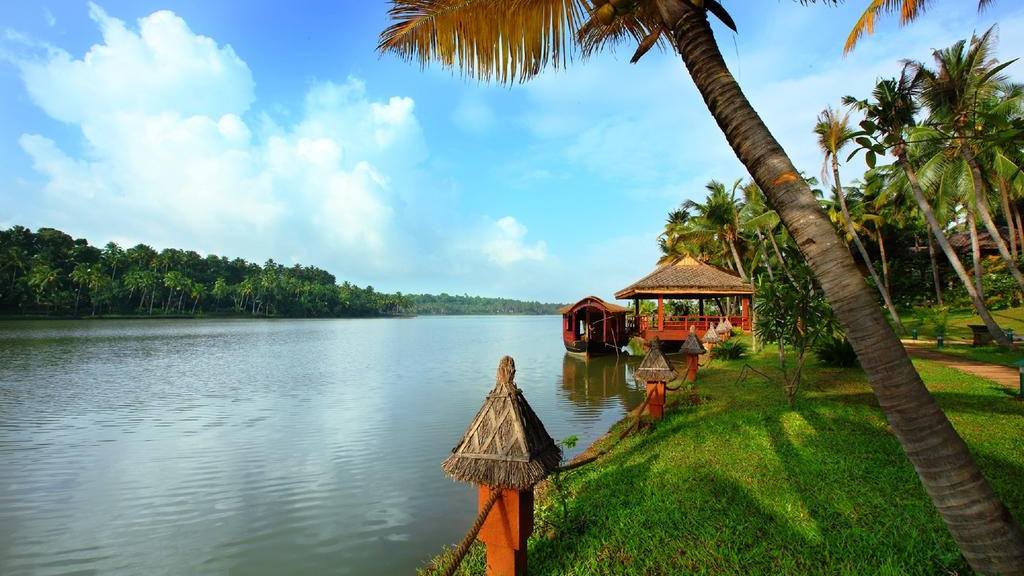
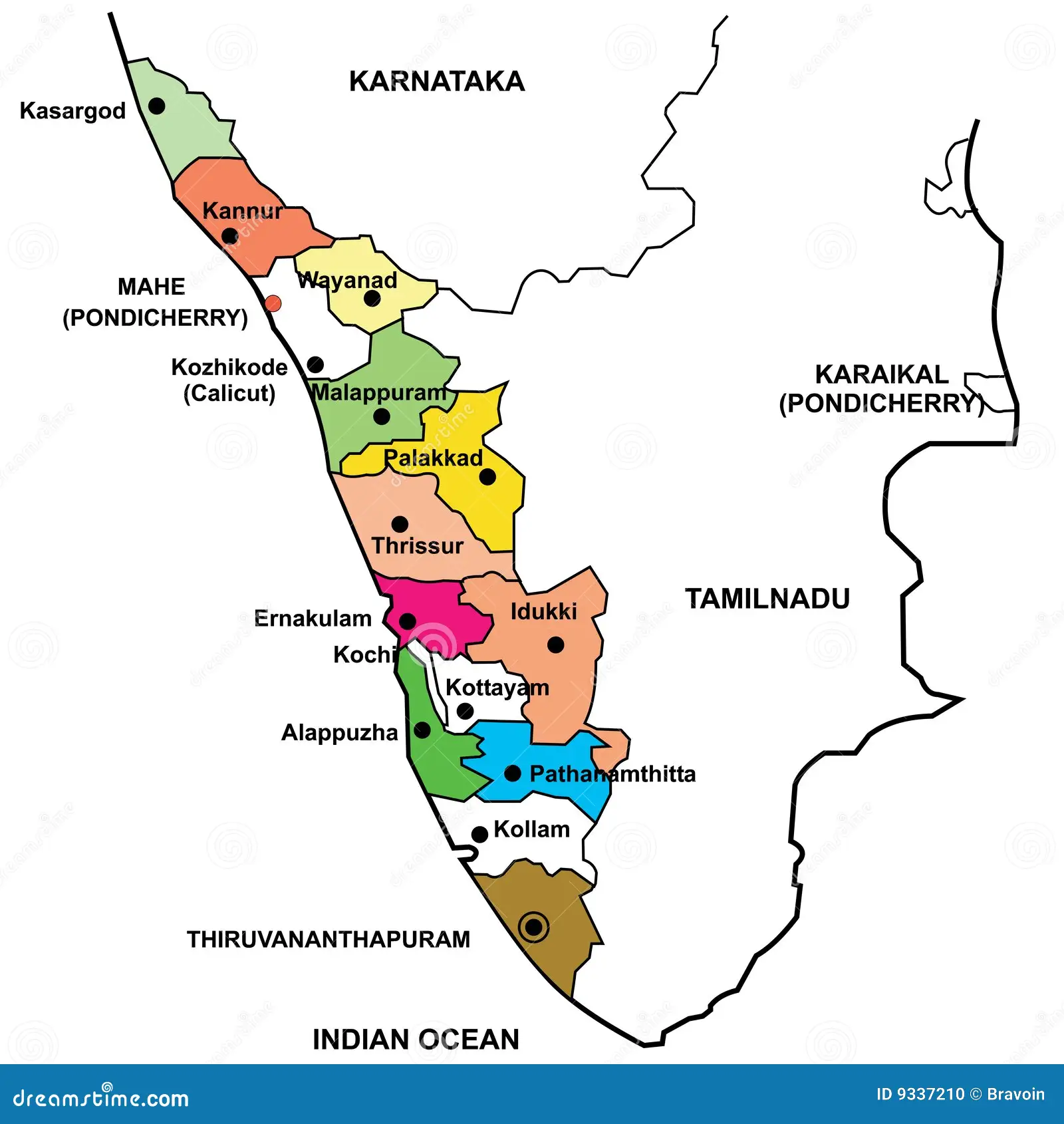
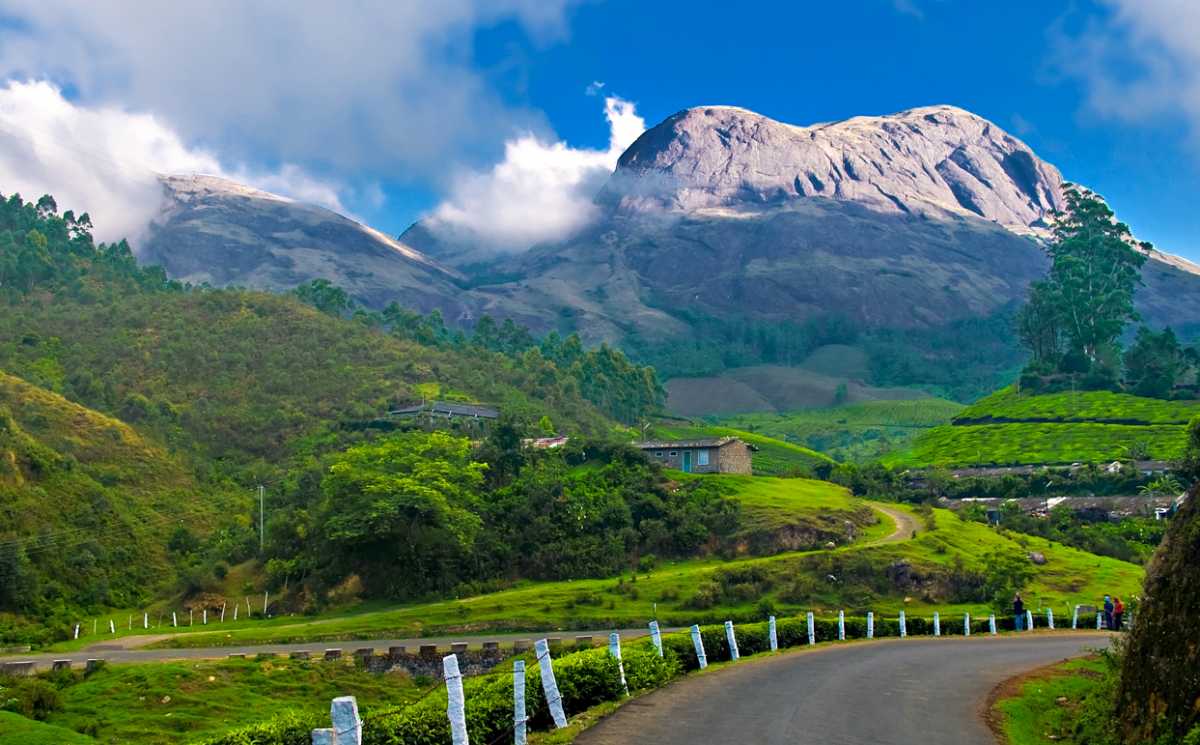
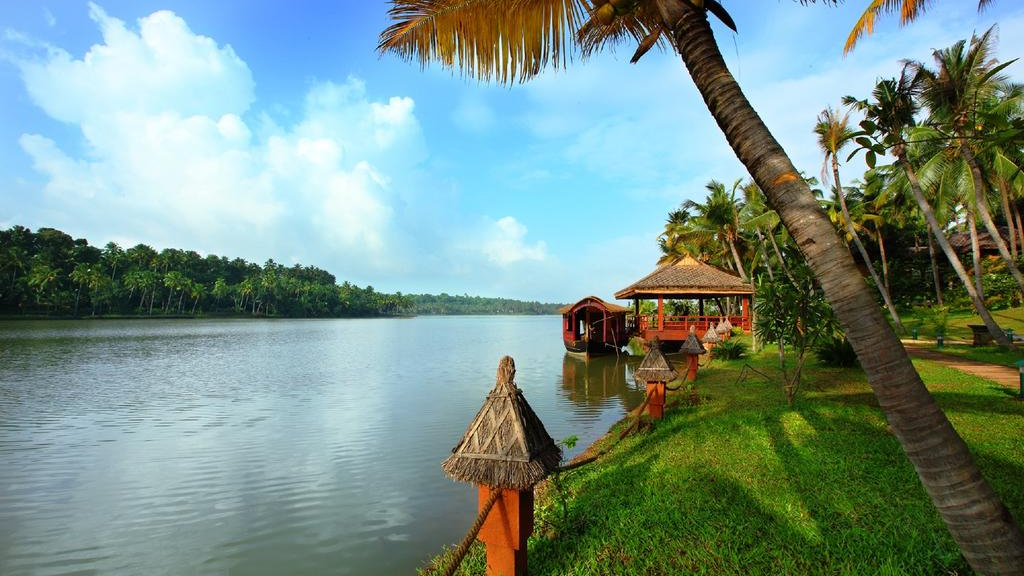
Kerala is nestled in the southwest part of India along the Malabar Coast. On November 1, 1956, the States Reorganisation Act led to the formation of this beautiful state which combines numerous regions speaking the common language called Malayalam.
Historical Heritage of kerala
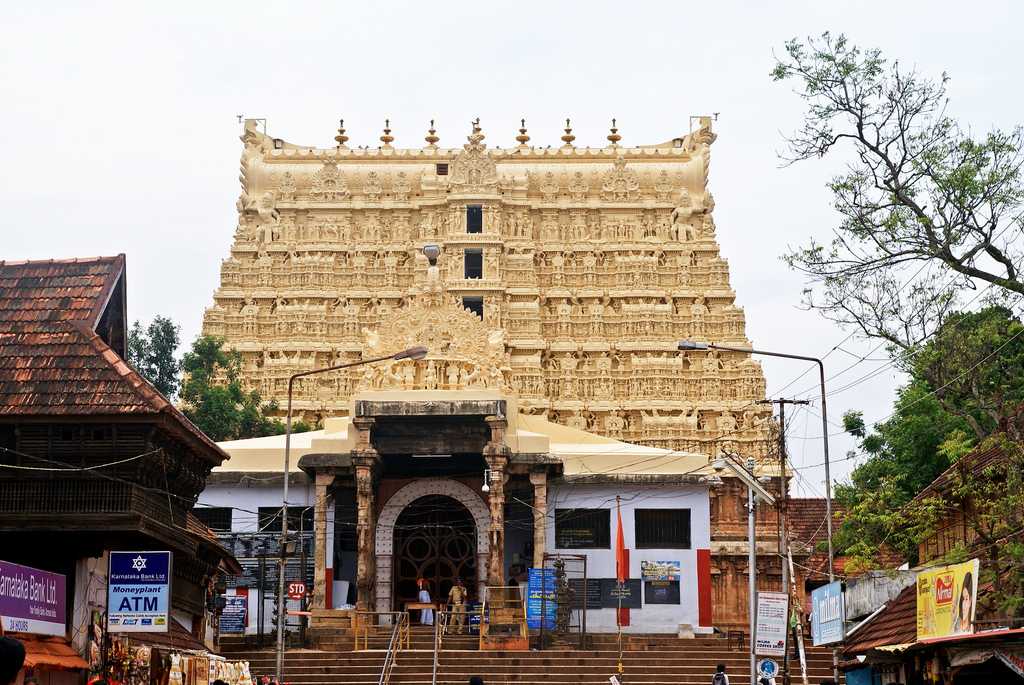
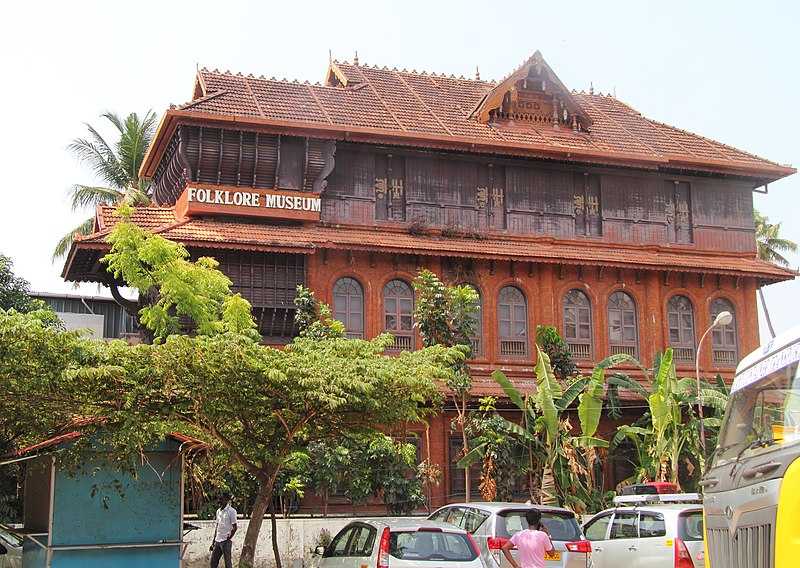
It boasts a rich history, with significant contributions from ancient empires such as the Maurya, Gupta, and Mughal dynasties. Key historical sites include:
Uttar Pradesh, a state rich in historical significance, is home to some of India's most renowned heritage sites. From the iconic Taj Mahal and the majestic Fatehpur Sikri to the ancient city of Varanasi and the revered temples of Ayodhya, Uttar Pradesh offers a glimpse into India's diverse and illustrious past. These landmarks reflect the state's central role in shaping India's history, culture, and architecture, making it a vital repository of India's rich historical heritage.
Art & Handicrafts of Kerala
The state is known for its traditional arts and crafts, such as:
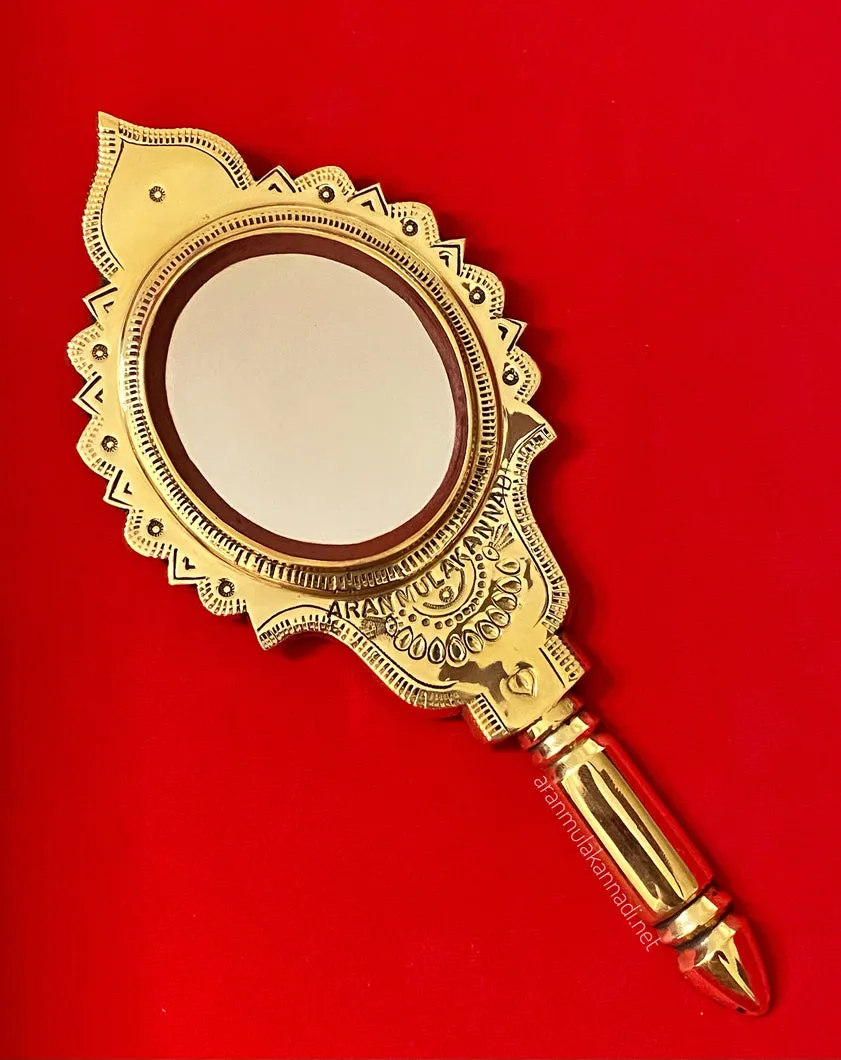
Aranmula Kannadi (Metal Mirrors):
The Aranmula Kannadi is a unique metal-alloy mirror produced only in the village of Aranmula in Kerala. Unlike traditional glass mirrors, these metal mirrors are highly polished to create a reflection. They are considered auspicious and are often used in rituals.
Nettur Petti (Traditional Jewelry Boxes):
Nettur Petti is a traditional handcrafted wooden jewelry box, usually made from rosewood. It has a characteristic pyramidal lid and is adorned with brass decorations.
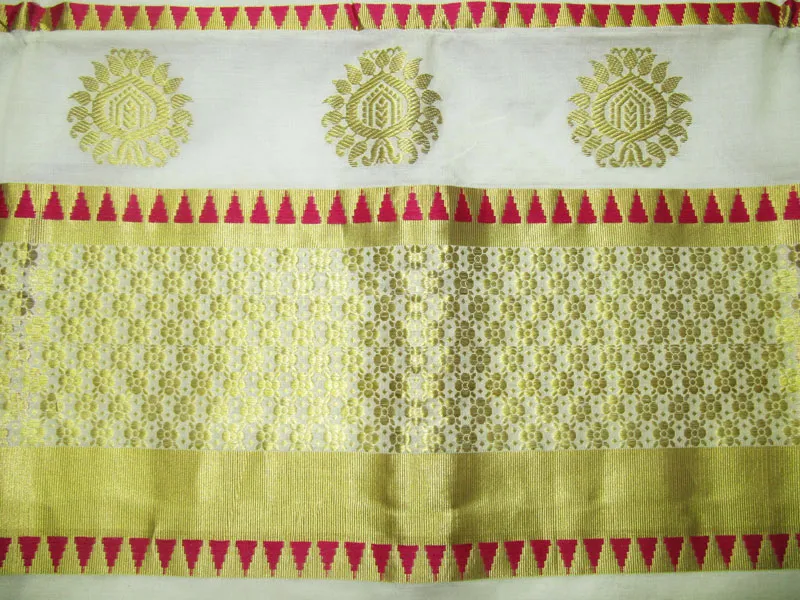
Kasavu Sarees:
Kasavu sarees are traditional handwoven sarees that are synonymous with Kerala’s cultural identity. They are characterized by their off-white color and gold or silver borders. Worn during festivals like Onam and Vishu, as well as during weddings and temple visits, these sarees symbolize purity and elegance..
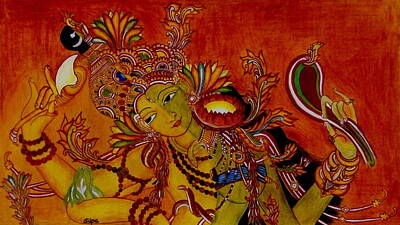
Mural Paintings:
Kerala’s mural tradition dates back to the 8th century and is characterized by vivid natural colors made from minerals, leaves, and flowers. The murals feature gods, goddesses, and scenes from epics like the Ramayana and Mahabharata.Famous examples of Kerala murals can be found in the Padmanabhapuram Palace, the Ettumanoor Shiva Temple, and the Mattancherry Palace.
Festivals of kerala
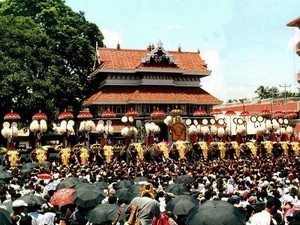
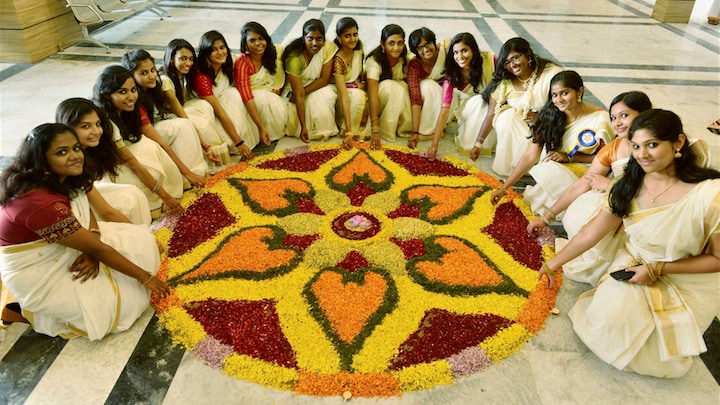
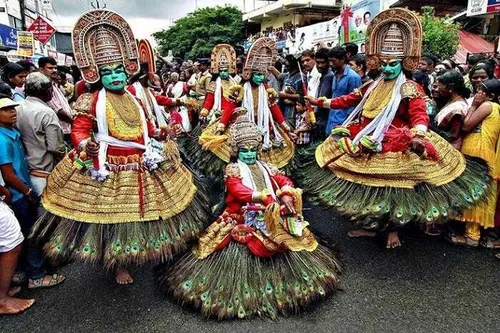
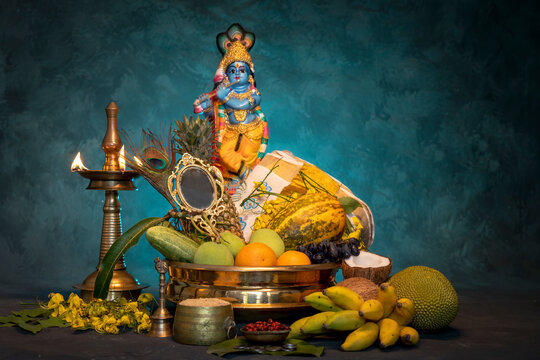
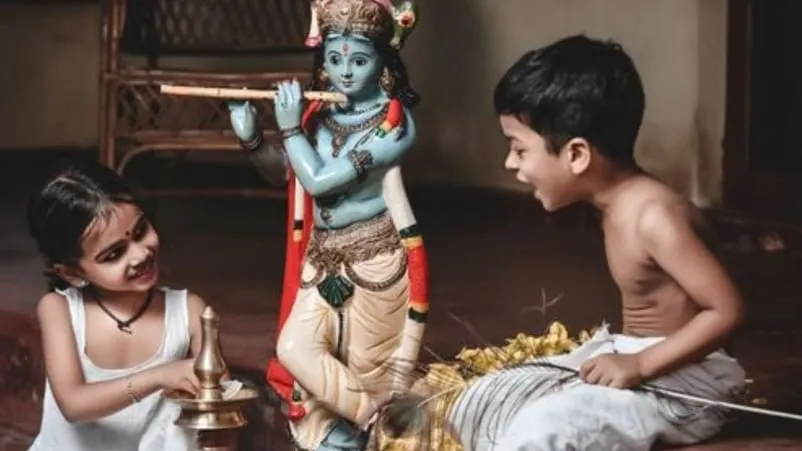
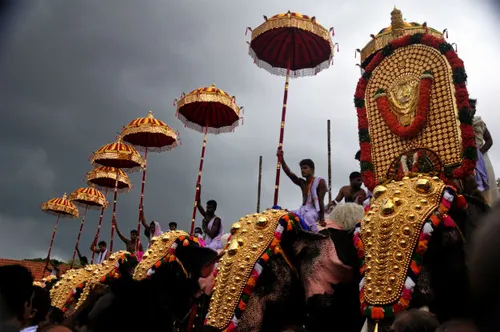
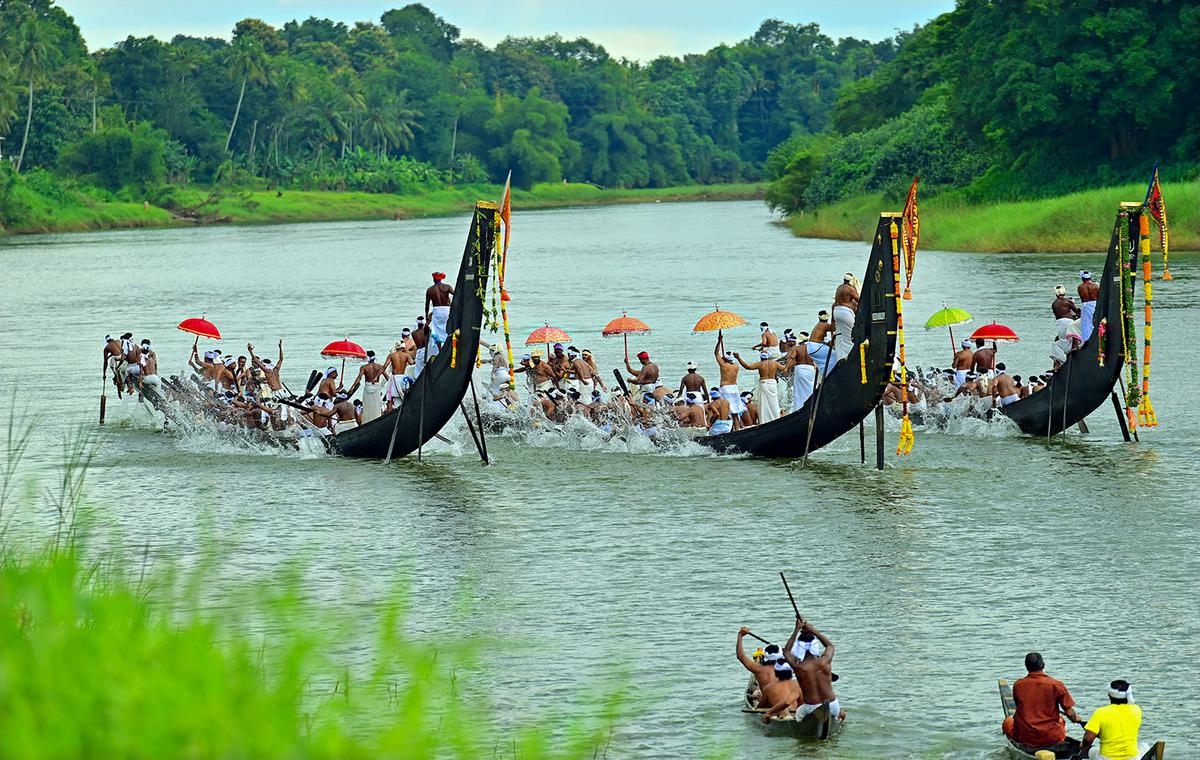
Kerala is a land of vibrant festivals that reflect its rich cultural heritage and diverse religious tradition. Major festivals include:
Kerala is a vibrant state known for its rich cultural and religious diversity, reflected in its wide array of festivals celebrated throughout the year. Each festival has its own unique significance and style of celebration, bringing people together in joy and devotion..
Traditional Cuisine of Kerala
Sadya
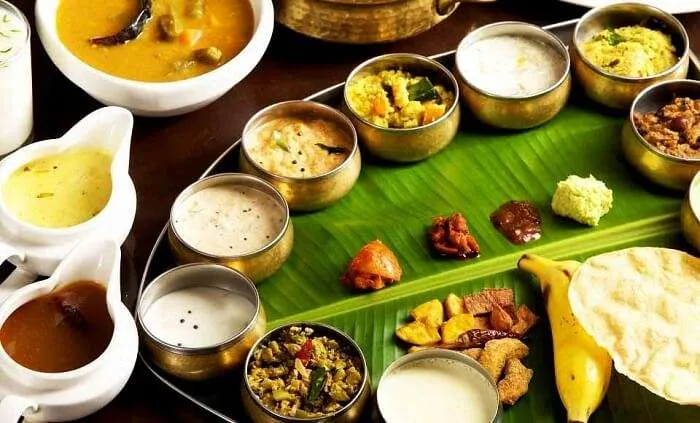
One of the most iconic meals of Kerala is the Sadya, a traditional vegetarian feast served on a banana leaf during festivals like Onam and Vishu. Sadya includes a variety of dishes such as:
Sambar (lentil-based vegetable curry)
Avial (a mixed vegetable curry with coconut and yogurt)
Thoran (stir-fried vegetables with grated coconut)
Olan (a mild curry of ash gourd and black-eyed peas in coconut milk)
Pachadi (a yogurt-based dish with vegetables or fruits)
Payasam (a sweet pudding made from rice or lentils)
Uttar Pradesh offers a variety of mouth-watering dishes, influenced by its Mughal, Awadhi, and regional cuisines. Popular dishes include:
Rice and Tapioca: Matta rice, are often paired with curries. Tapioca, locally called Kappa, is another staple often served with spicy fish curry..
Puttu and Kadala Curry: Puttu is a cylindrical steamed rice cake made with rice flour and grated coconut, often served with Kadala Curry, a spicy black chickpea curry. This is a popular breakfast combination in Kerala..
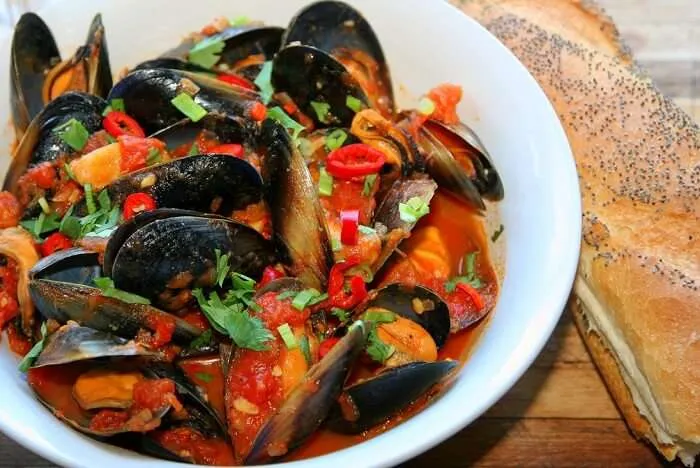
Fish and Seafood:Being a coastal state, Kerala’s cuisine is famous for its seafood. Fish, prawns, crabs, and mussels are central to Kerala's diet.
.jpg)