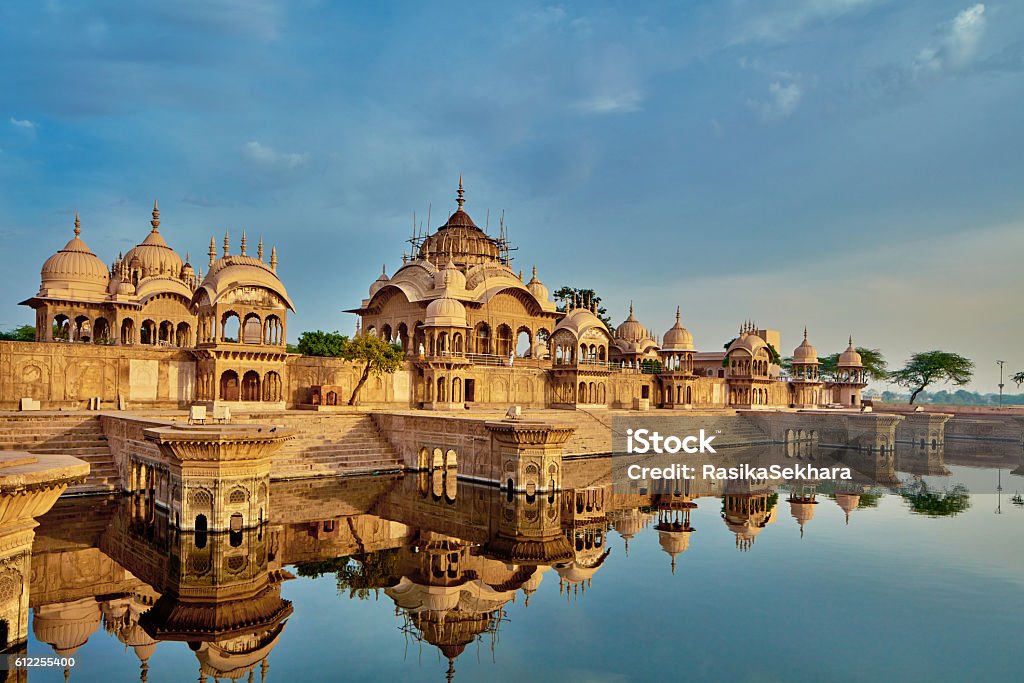
Welcome to the Cultural Heritage of Uttar Pradesh
Explore the rich history, traditions, art, and festivals of Uttar Pradesh.
Learn MoreExplore the Uttar Pradesh
About Uttar Pradesh
Uttar Pradesh, a vibrant state in northern India, is renowned for its diverse cultural heritage, history, and traditions. From ancient architectural marvels to world-famous festivals, this region has been at the heart of India's culture for centuries.
Historical Heritage of Uttar Pradesh
Uttar Pradesh has been the cradle of Indian civilization. It boasts a rich history, with significant contributions from ancient empires such as the Maurya, Gupta, and Mughal dynasties. Key historical sites include:
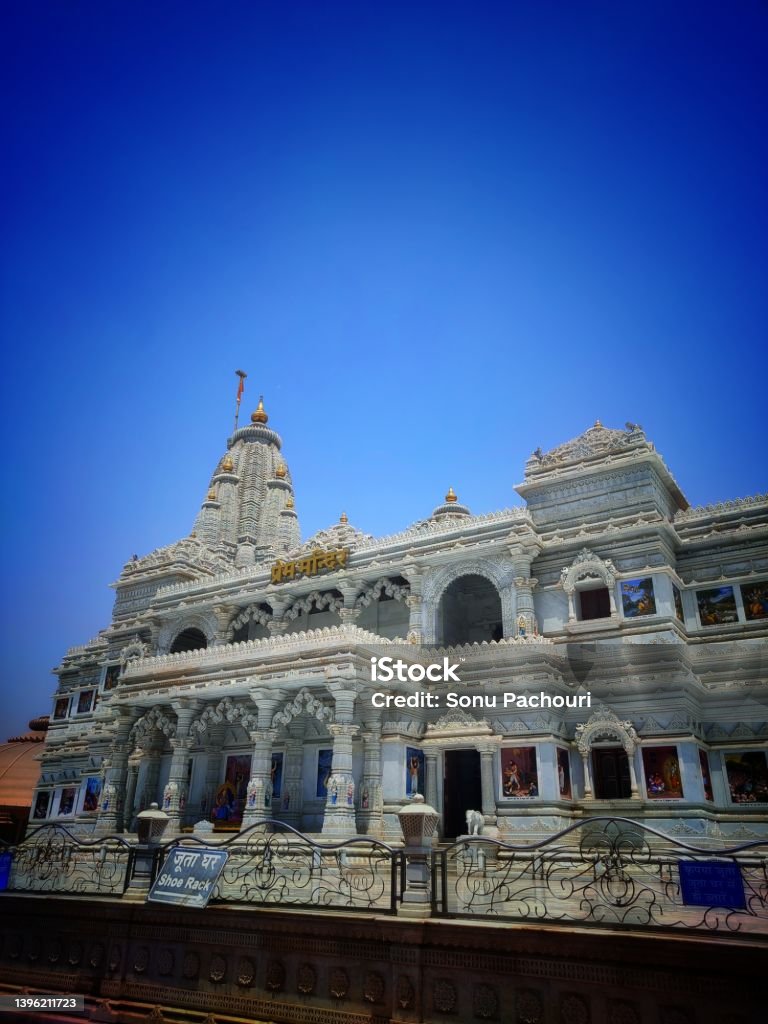
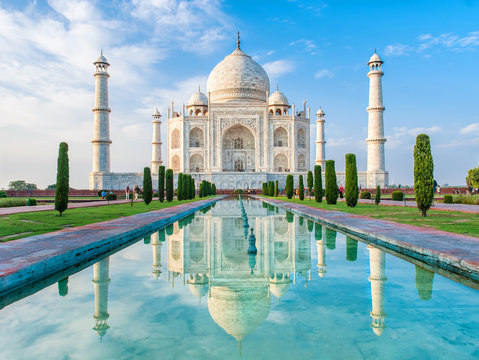
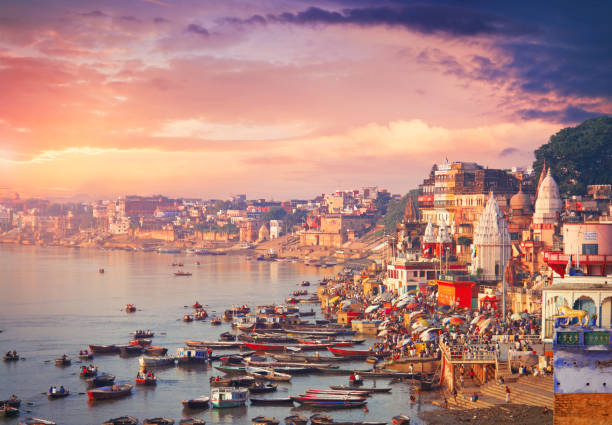
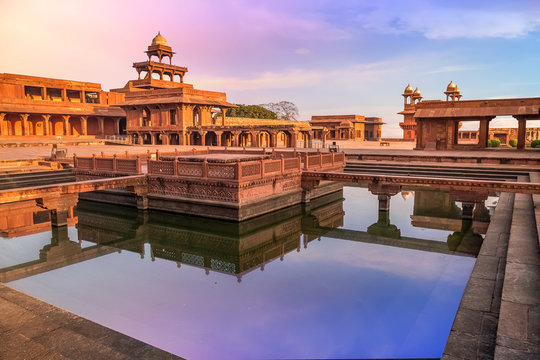
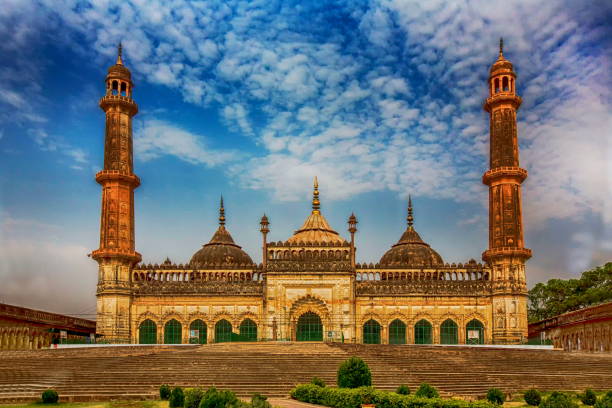
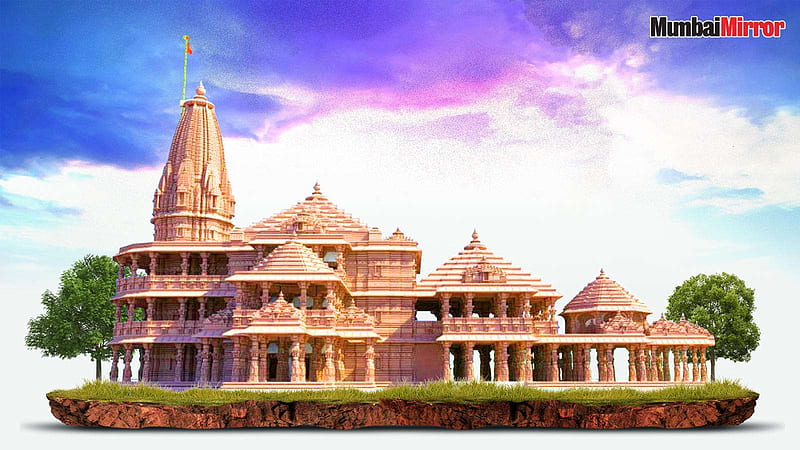
Uttar Pradesh, a state rich in historical significance, is home to some of India's most renowned heritage sites. From the iconic Taj Mahal and the majestic Fatehpur Sikri to the ancient city of Varanasi and the revered temples of Ayodhya, Uttar Pradesh offers a glimpse into India's diverse and illustrious past. These landmarks reflect the state's central role in shaping India's history, culture, and architecture, making it a vital repository of India's rich historical heritage.
Art & Handicrafts of Uttar Pradesh
The state is known for its traditional arts and crafts, such as:
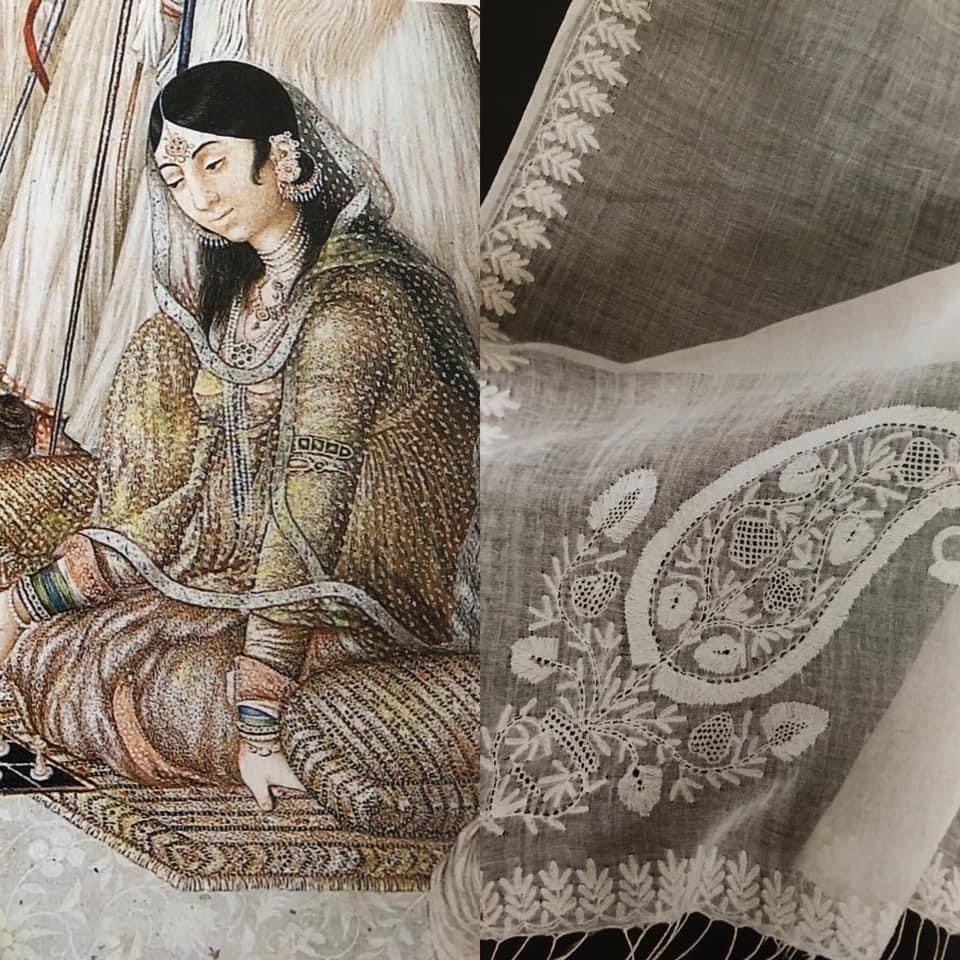
Chikankari - A fine embroidery style originating from Lucknow.
Chikankari is a traditional form of embroidery that originated in Lucknow, Uttar Pradesh, and is renowned for its intricate and delicate needlework. Characterized by its use of fine threads, typically white on white fabric, Chikankari features elaborate floral and geometric patterns that are hand-embroidered with a variety of stitches, including the famous "reebari" (shadow work). This craft, which dates back to the Mughal era, reflects a rich cultural heritage and artistic excellence, making it a prized art form in Indian textiles. Chikankari is celebrated for its elegance and craftsmanship, often adorning garments such as sarees, salwar kameez, and dupattas, and continues to be a symbol of traditional craftsmanship and style.
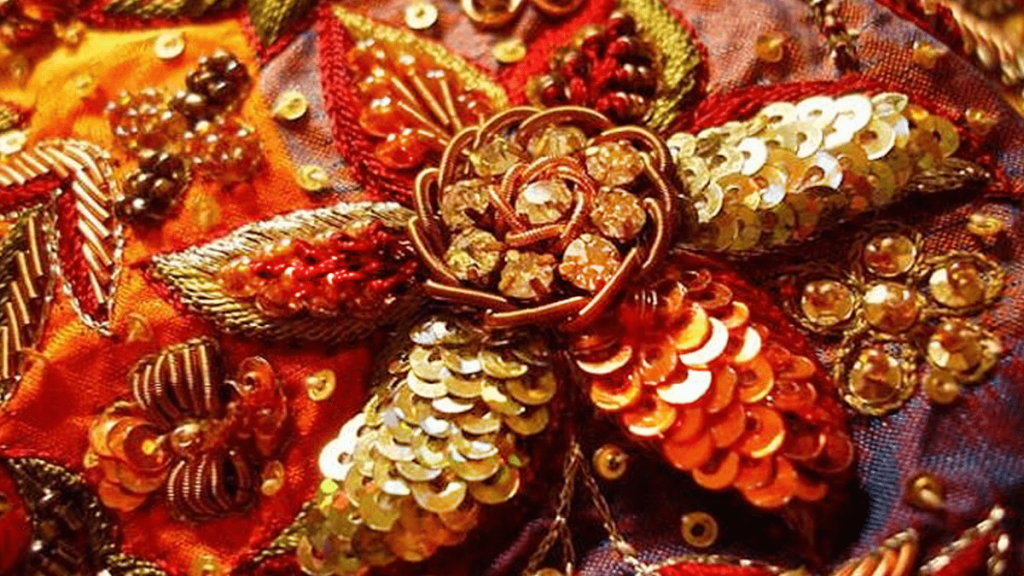
Zardozi - A form of elaborate gold and silver embroidery.
Zardozi is a traditional form of embroidery that originated in Persia and was brought to India during the Mughal era. Renowned for its opulence and intricate detailing, Zardozi involves the use of metallic threads, such as gold and silver, to create elaborate patterns on fabrics. The embroidery often features rich motifs including floral designs, paisleys, and geometric patterns, which are enhanced with the addition of beads, sequins, and pearls. Historically, Zardozi was used to adorn royal garments and ceremonial attire, making it a symbol of luxury and sophistication. Today, Zardozi continues to be prized for its craftsmanship and is commonly found in bridal wear, evening gowns, and decorative textiles, reflecting its enduring legacy in Indian fashion.
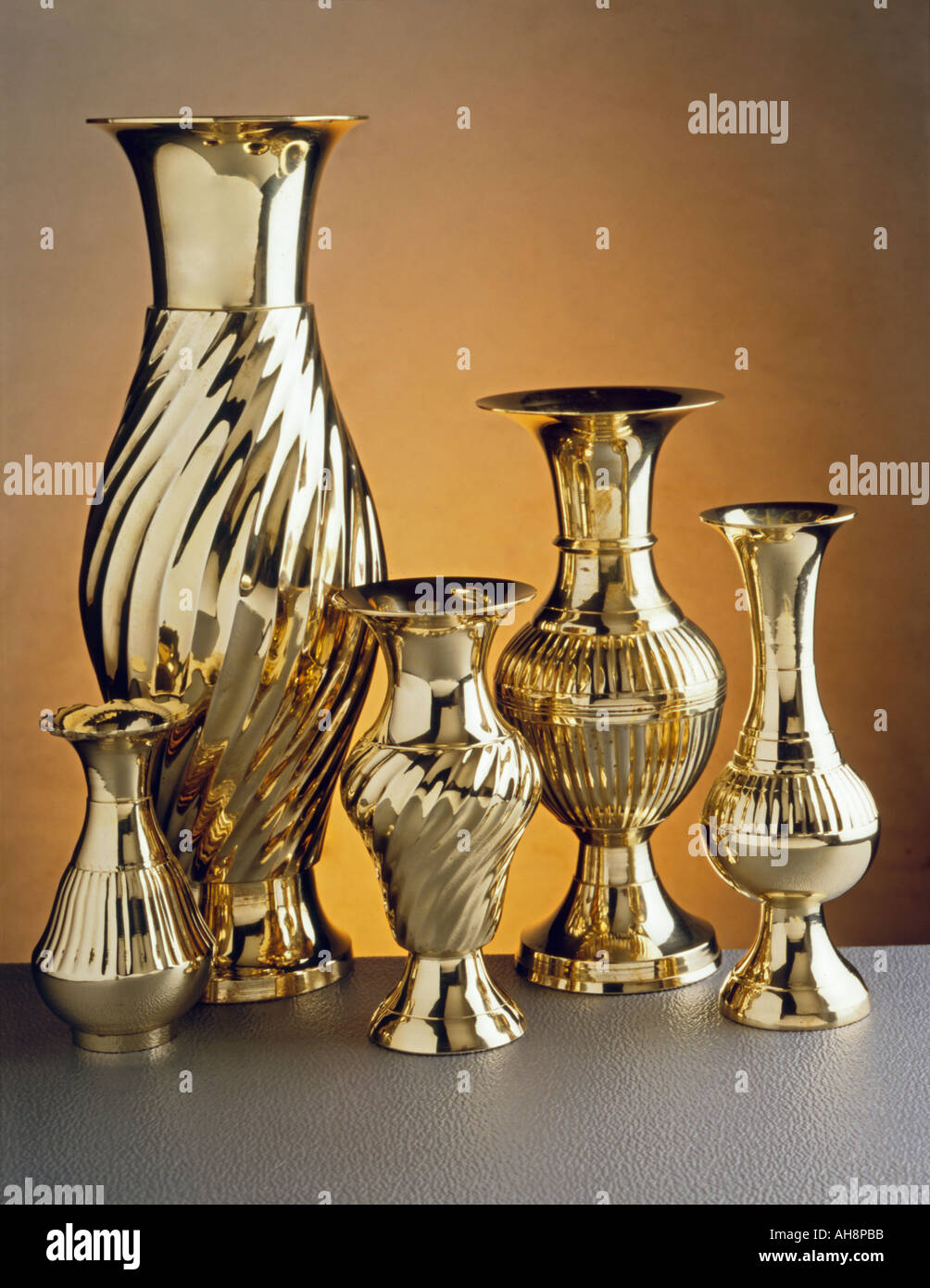
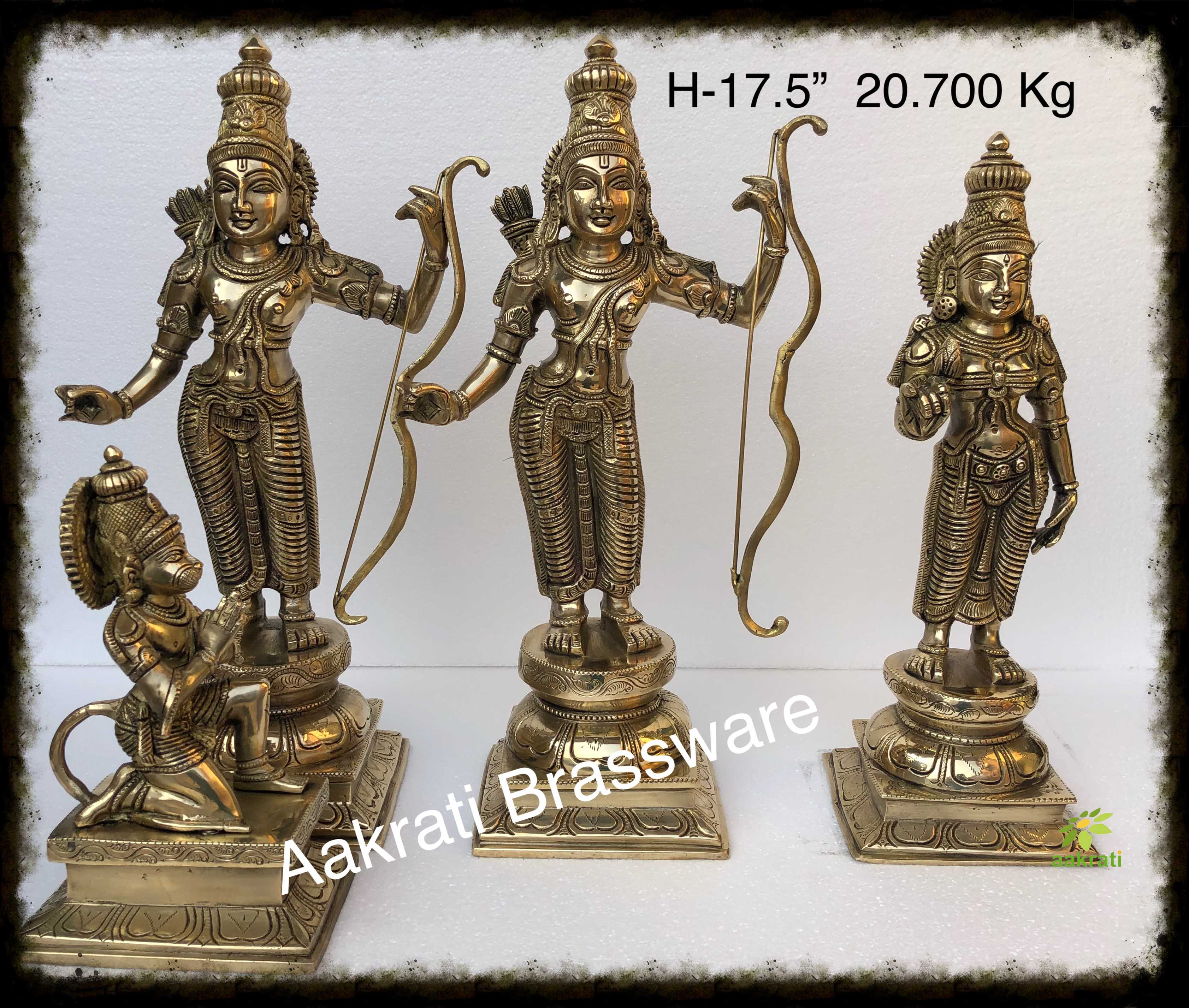
Brassware - Moradabad is famous for its beautiful brass handicrafts.
Brassware refers to decorative and functional objects made from brass, an alloy of copper and zinc. Known for its durability and attractive golden sheen, brass has been used for centuries in various cultures for crafting everything from everyday utensils to ornate artifacts. In India, brassware is particularly significant and showcases intricate craftsmanship through products such as lamps, bowls, vases, and traditional items like puja (worship) thalis and bell stands. Indian brassware often features detailed engravings and designs, reflecting the region's rich artistic heritage. These items not only serve practical purposes but also hold cultural and aesthetic value, embodying both traditional artistry and functional elegance.
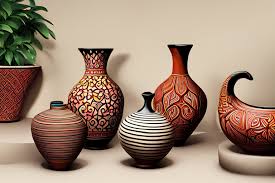
Pottery - Khurja is renowned for its glazed pottery work.
Pottery is a craft that involves shaping and firing clay to create functional and decorative items. This ancient art form has been practiced across various cultures for thousands of years and remains a significant aspect of many traditional and contemporary artistic traditions. In India, pottery holds a special place, with distinct regional styles reflecting local materials and techniques. From the intricate blue-and-white designs of Jaipur pottery to the vibrant terracotta creations of Bengal, Indian pottery showcases a wide range of styles and traditions. Pottery can include everyday items like pots and bowls, as well as artistic pieces such as sculptures and decorative tiles. The process involves molding clay into shapes, drying, and then firing it in a kiln at high temperatures to create durable and often beautifully glazed items. The artistry of pottery is celebrated for its ability to combine functionality with aesthetic beauty, making it a cherished craft worldwide.
Festivals of Uttar Pradesh
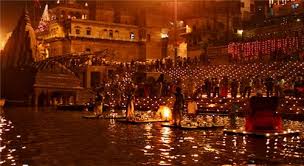
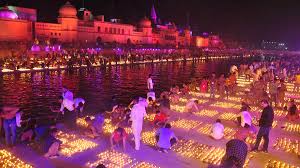
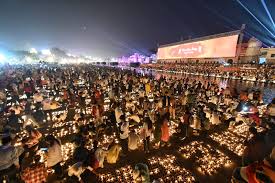
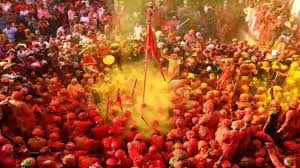
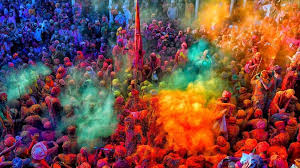
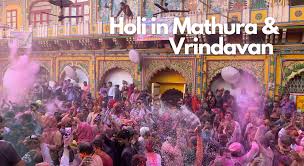
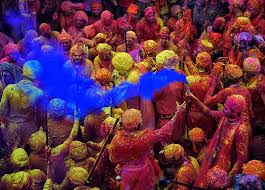
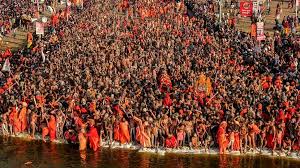
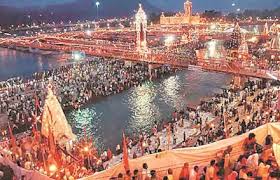
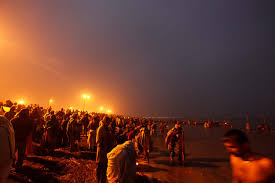
Uttar Pradesh celebrates a wide array of festivals, reflecting its diverse culture and religious beliefs. Major festivals include:
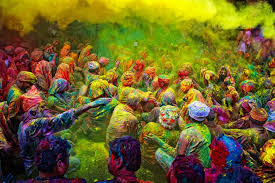
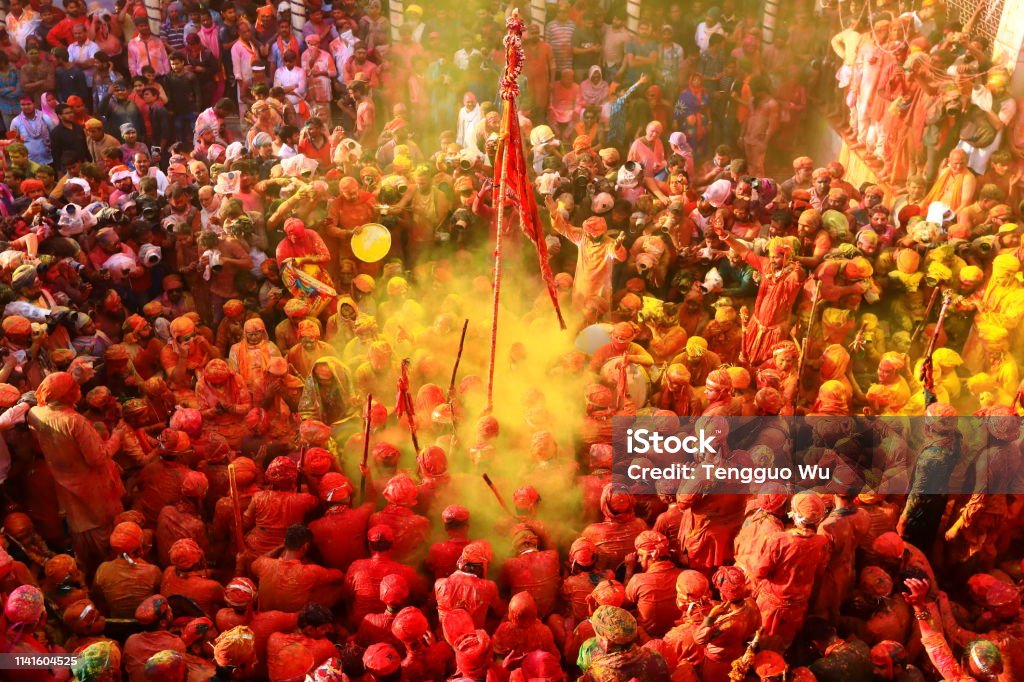
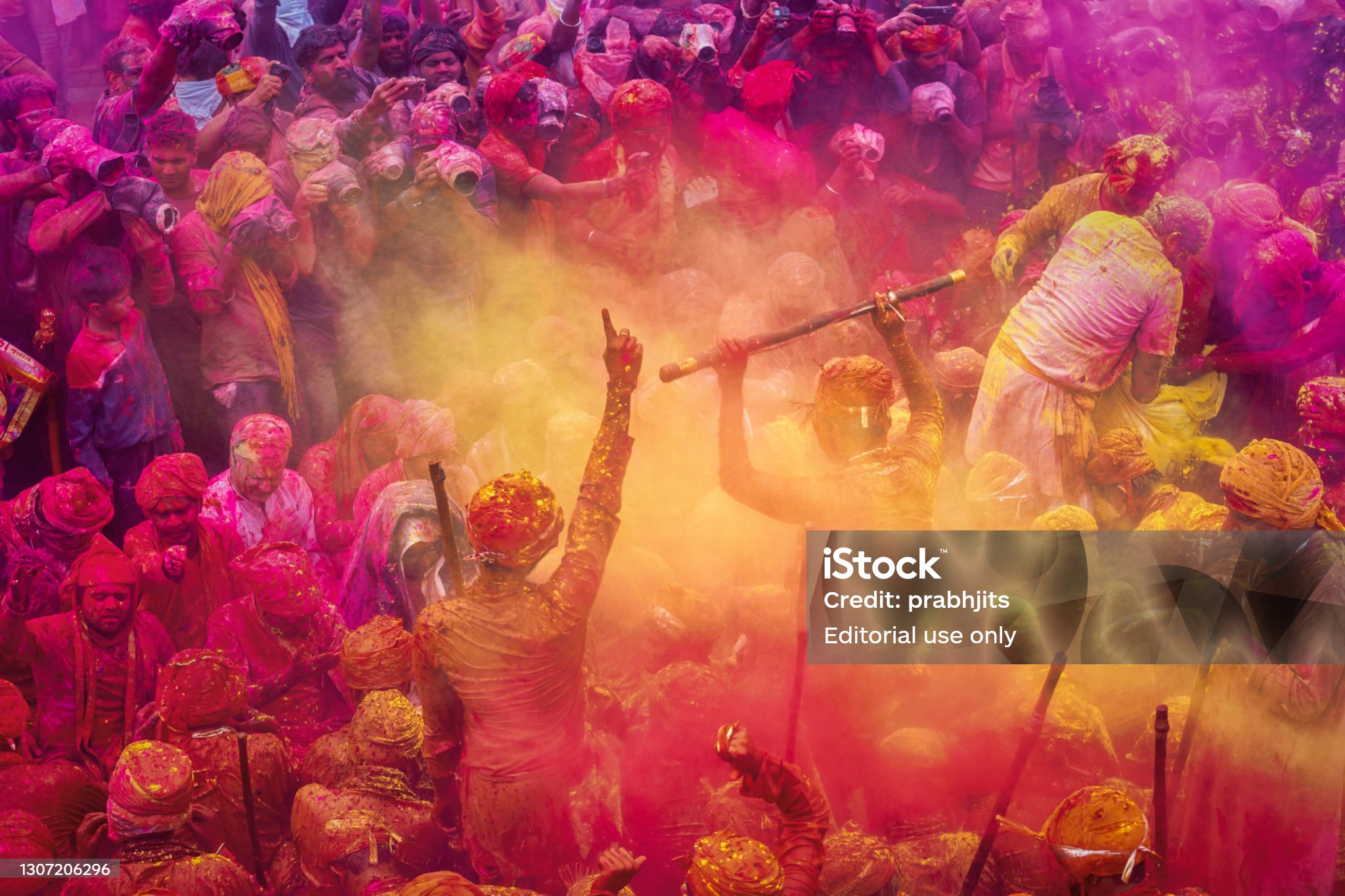
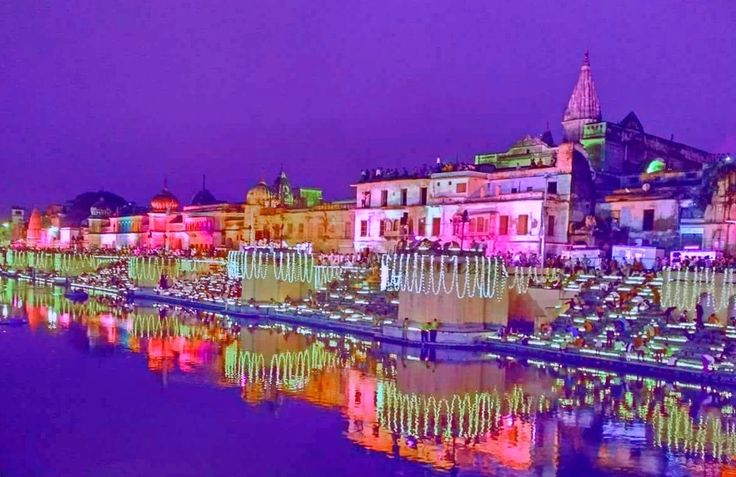
Uttar Pradesh is a vibrant state known for its rich cultural and religious diversity, reflected in its wide array of festivals celebrated throughout the year. From grand Hindu festivals like Diwali, Holi, and Makar Sankranti to deeply spiritual occasions like Ram Navami and Janmashtami, the state bursts with color and joy during these celebrations. Major religious cities like Varanasi, Ayodhya, and Mathura come alive with rituals, prayers, and processions, drawing millions of devotees and tourists alike. Festivals such as Eid and Christmas are also observed with great enthusiasm, reflecting the harmonious coexistence of various communities. These festivals are not just religious occasions but also mark the cultural richness of Uttar Pradesh, showcasing its traditional music, dance, cuisine, and crafts.
Traditional Cuisine of Uttar Pradesh
The traditional cuisine of Uttar Pradesh is a rich and diverse reflection of its historical, cultural, and geographical influences. Known for its elaborate preparation methods and variety of flavors, the cuisine offers a blend of Mughal, Awadhi, and local influences.
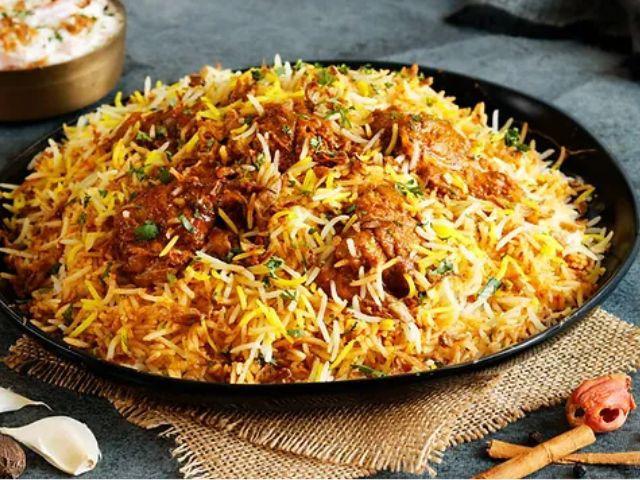
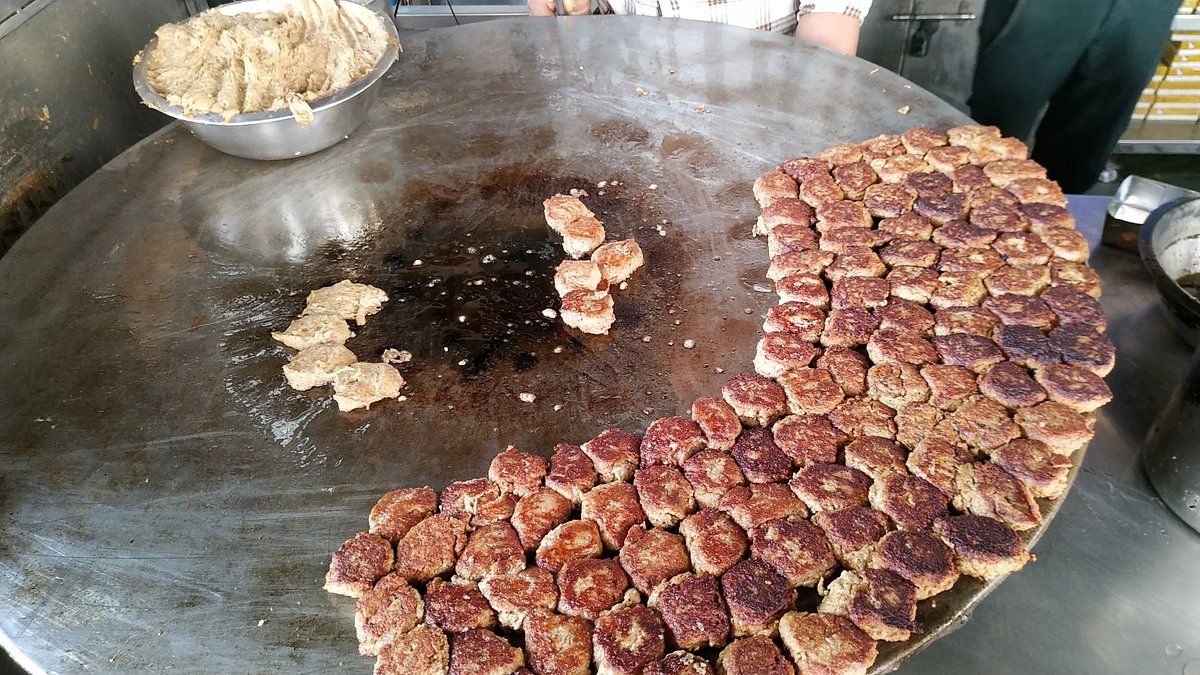
The region is famous for its Awadhi cuisine, especially in Lucknow, which is known for its slow-cooked delicacies like Kebabs, Biryani, Kormas, and Nihari. Signature dishes such as Galouti Kebab and Tunday Kebab are famous for their melt-in-the-mouth texture, while Lucknawi Biryani is a fragrant rice dish layered with aromatic spices and meats.
In addition to Mughal-inspired dishes, the state’s vegetarian fare is equally rich. Staples like Puri, Kachori, and Aloo Sabzi are popular in both home-cooked meals and street food. The city of Varanasi is known for its tangy Chaat, Tamatar Chaat, and sweet treats like Jalebi and Lassi.
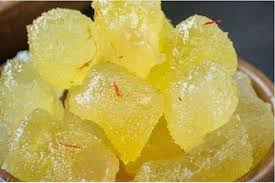
Uttar Pradesh also boasts a variety of sweets, including Petha from Agra, Balushahi, Malpua, and Gujiya, especially during festivals. Traditional meals in the state are often complemented with refreshing drinks like Thandai and Kanji.
Uttar Pradesh offers a variety of mouth-watering dishes, influenced by its Mughal, Awadhi, and regional cuisines. Popular dishes include:
Awadhi Biryani: A fragrant rice dish cooked with marinated meat and spices.
Tunday Kababi: Famous kebabs from Lucknow, known for their tender texture.
Petha: A sweet delicacy from Agra, made from ash gourd.
Chaat: A savory snack, particularly popular in Varanasi and Lucknow.