AIHOLE

UNESCO World Heritage Site

DYNASTY:Chalukya Dynasty

NEAREST CITY: Hunagunda

ARCHITECTURAL STYLE(S): Hindu, Jain, Buddhist Temples and Monasteries

AREA: 5 square kilometers (1.9 sq mi)

BUILT: 4th–12th century CE

ELEVATION: 810 m (2,657 ft)

GOVERNING BODY: Gram Panchayati Archaeological Survey of India
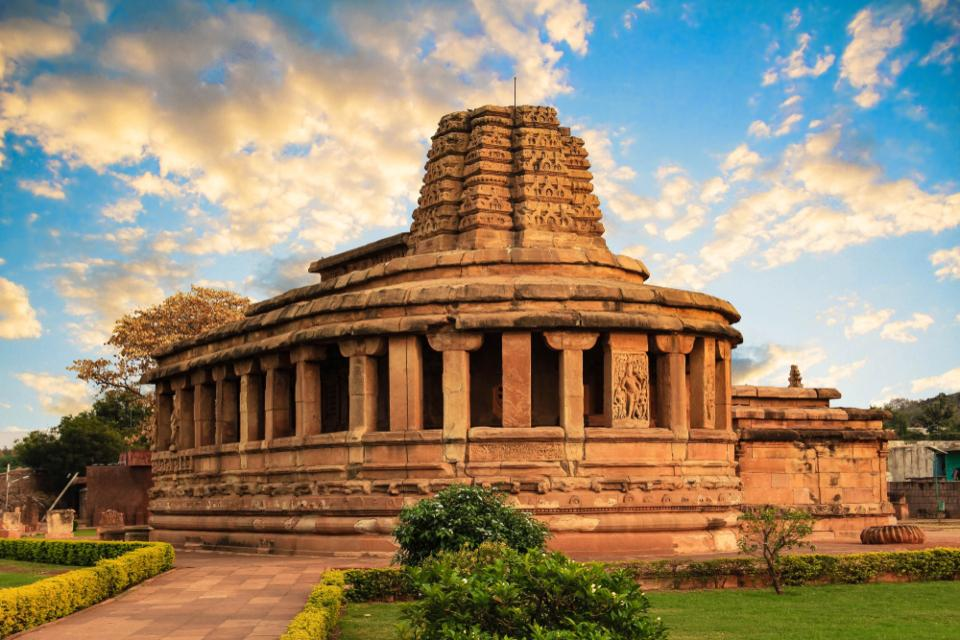
Aihole Temples

HISTORY

Aihole, located in Karnataka, India, is a historic site renowned for its extensive collection of temples and monuments, which date from the 4th to the 12th century CE. It was a prominent center during the Chalukya Dynasty and is often considered the cradle of Chalukyan architecture. The site features a diverse range of architectural styles, including Hindu, Jain, and Buddhist temples, reflecting its rich cultural and religious history.

Aihole was a major hub for early Indian temple construction and served as a testing ground for architectural innovations. Its significance lies in the development of Indian temple architecture, influencing later styles and constructions. Today, Aihole is celebrated for its historical and architectural heritage and is recognized as a UNESCO World Heritage Site.

SIGNIFICANCE

Aihole holds significant importance due to its historical and architectural contributions. It is renowned as the cradle of Chalukyan architecture, showcasing a range of early Indian temple styles including Hindu, Jain, and Buddhist.

The site features innovative architectural designs and construction techniques that influenced later temple building throughout India. Aihole’s extensive collection of temples, built between the 4th and 12th centuries, highlights the evolution of Hindu temple architecture and religious art.

As a key center of the Chalukya Dynasty, it reflects the cultural and artistic zenith of the period. Its status as a UNESCO World Heritage Site underscores its global importance in the history of architecture and religious heritage.

ARCHITECTURE

Certainly! Here’s an elaborated overview of the architecture of Aihole, presented in a format similar to the description of the Belur Chennakesava Temple: --- **The architecture of Aihole is a testament to the early experimentation and innovation of Chalukyan design, celebrated for its diversity and pioneering features. Flourishing from the 6th to 8th centuries, the site showcases the following architectural highlights:

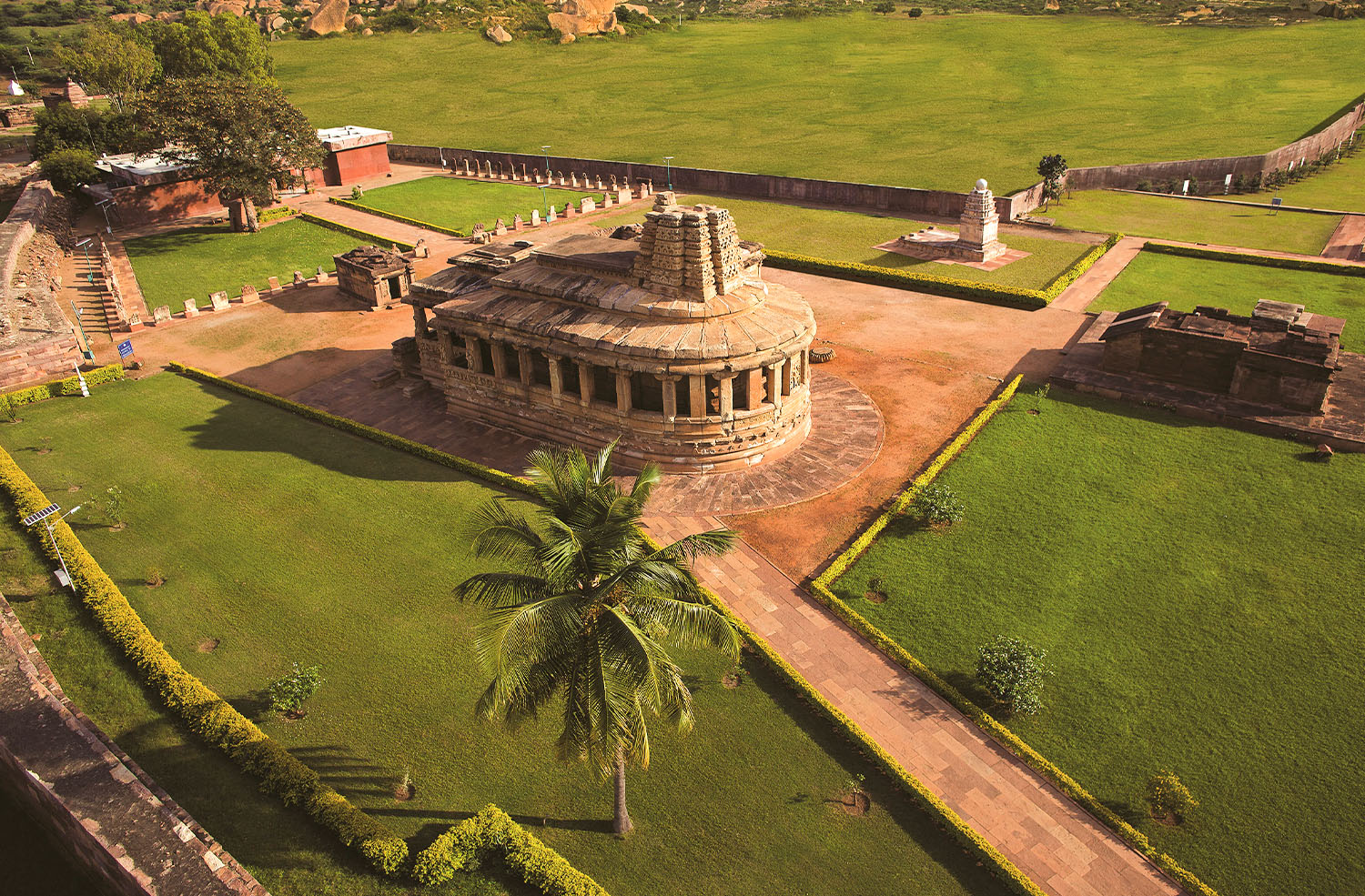
1. Varied Temple Plans:V Aihole is renowned for its diverse array of temple plans. From apsidal (semi-circular) to circular and rectangular layouts, the experimentation with different shapes and configurations reflects the architects’ innovative approaches to temple design. This variety highlights the transitional phase of temple architecture in early South India.

2.Rock-Cut Temples : Some of the earliest examples of rock-cut architecture in India are found at Aihole. These temples, carved directly from rock, exhibit experimental designs and serve as a precursor to the later, more refined structural temples. The simplicity of these early rock-cut structures provides insight into the initial stages of temple construction.

3.Intricate Carvings : Aihole's temples feature a range of sculptural work, including mythological scenes, deities, and decorative motifs. The carvings are notable for their detailed craftsmanship and represent an important phase in the evolution of South Indian temple art. These intricate sculptures provide a glimpse into the artistic capabilities of the Chalukyan era.

4.Innovative Pillars : The temples at Aihole often include elaborately carved pillars. While some are relatively simple, others feature detailed reliefs and artistic designs. These pillars not only support the structures but also contribute to the aesthetic and religious significance of the temples.

5.Experimental Layouts : The temple layouts at Aihole include a range of innovative features such as multiple projections and varied dimensions. This experimentation with architectural elements allowed for the creation of unique temple forms and helped in the development of later, more standardized temple designs.

6. Distinctive Temples: Notable temples at Aihole include:

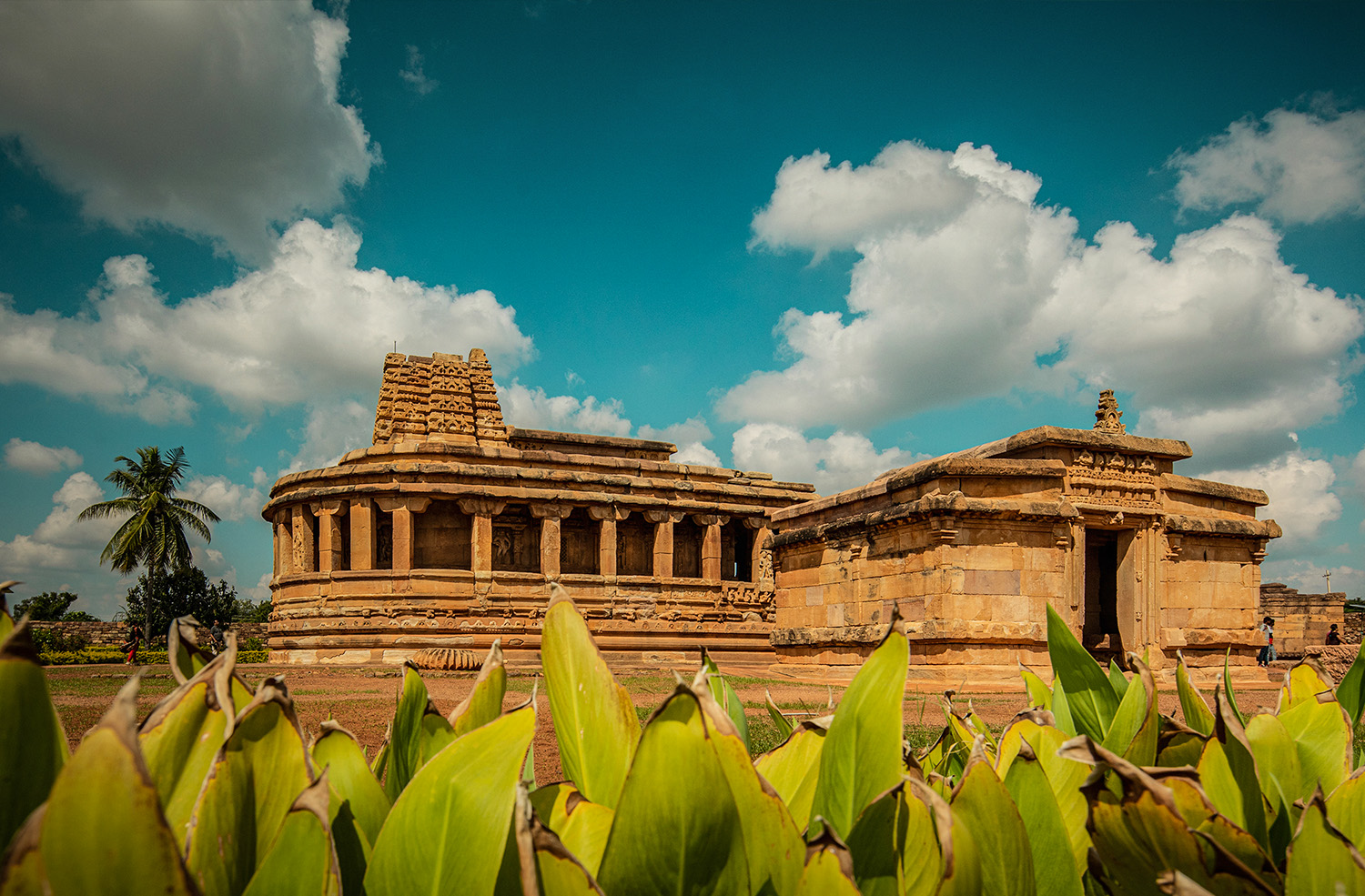
- Durga Temple: Famous for its apsidal plan, which is a rarity in early Indian temple architecture. The temple’s unique shape and approach reflect the architects’ experimentation with new forms.

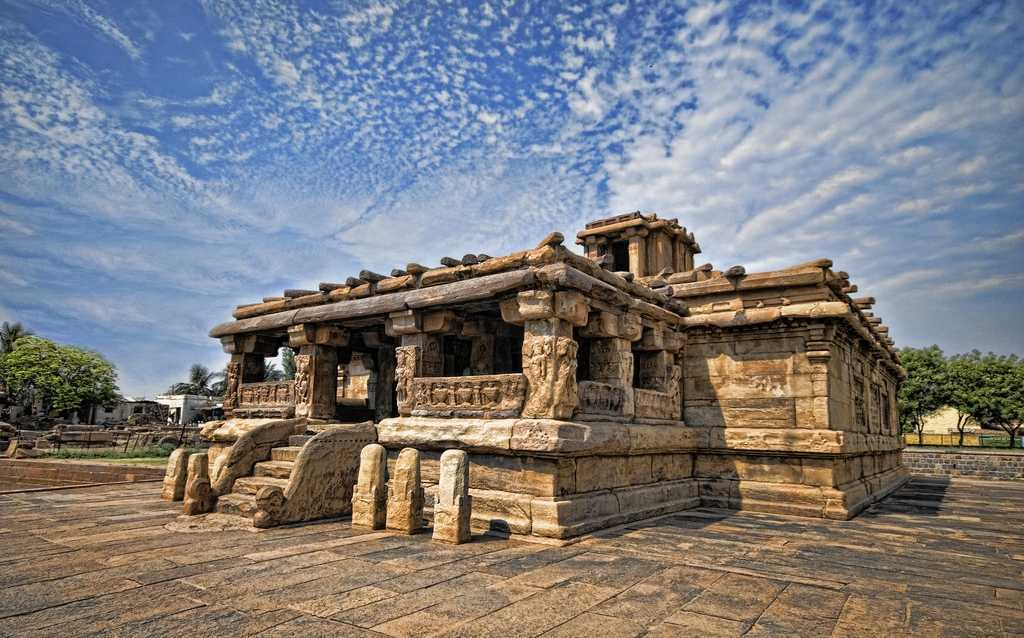
- Lad Khan Temple: This early example of Chalukyan architecture features a simple pillared hall and a basic sanctum, showcasing the initial phase of structural development.

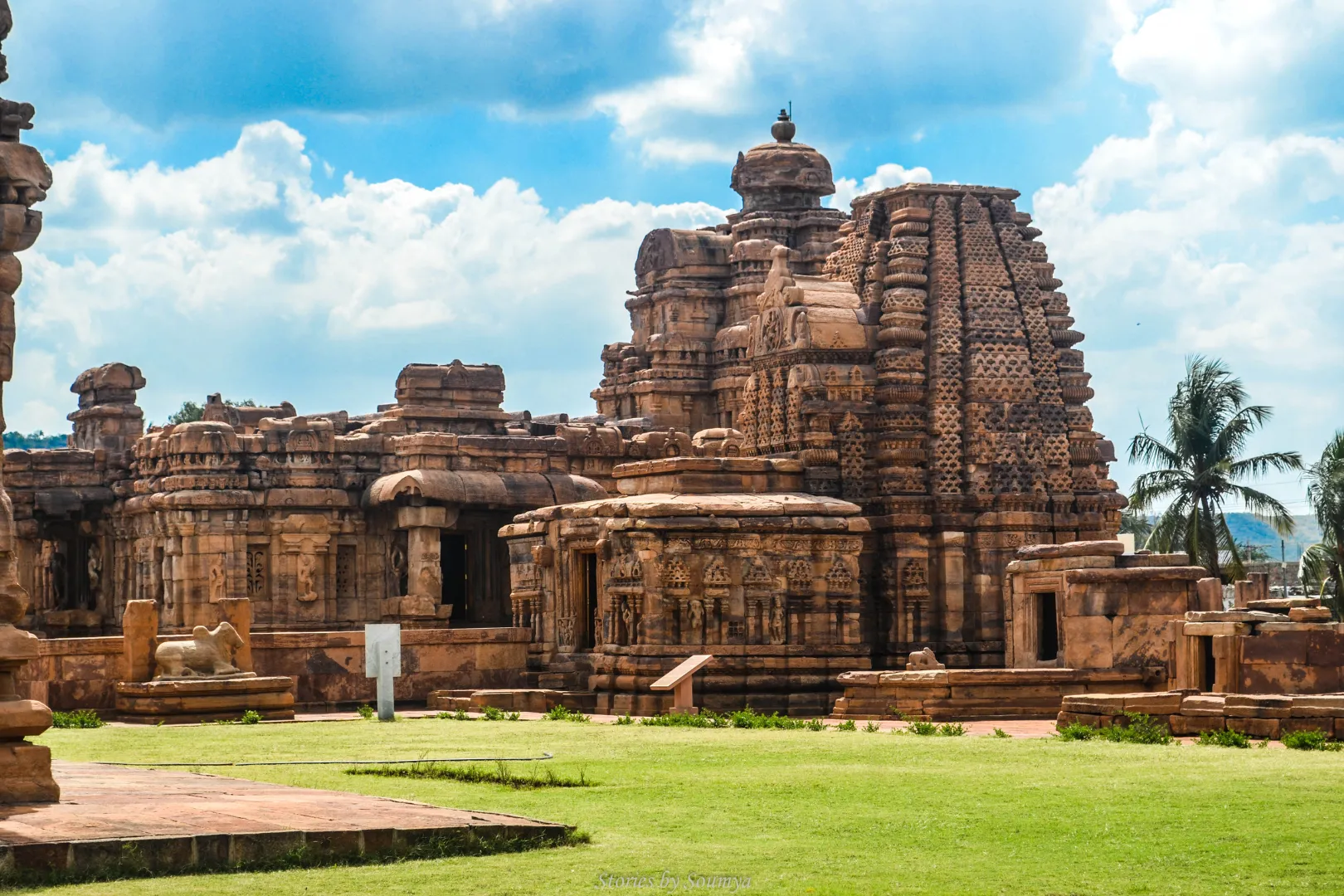
- Meguti Temple: Known for its refined carvings and advanced architectural features, representing the maturity of Chalukyan temple design.

Overall, the architecture of Aihole represents a significant phase in the evolution of South Indian temple architecture, illustrating the Chalukyan dynasty’s role in pioneering innovative designs and artistic achievements.


Back to Karnataka