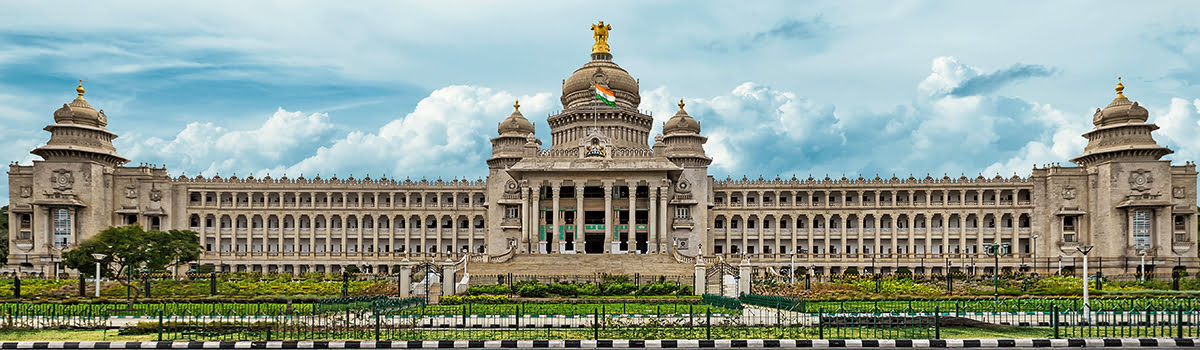
Welcome to the cultural heritage of
KARNATAKA
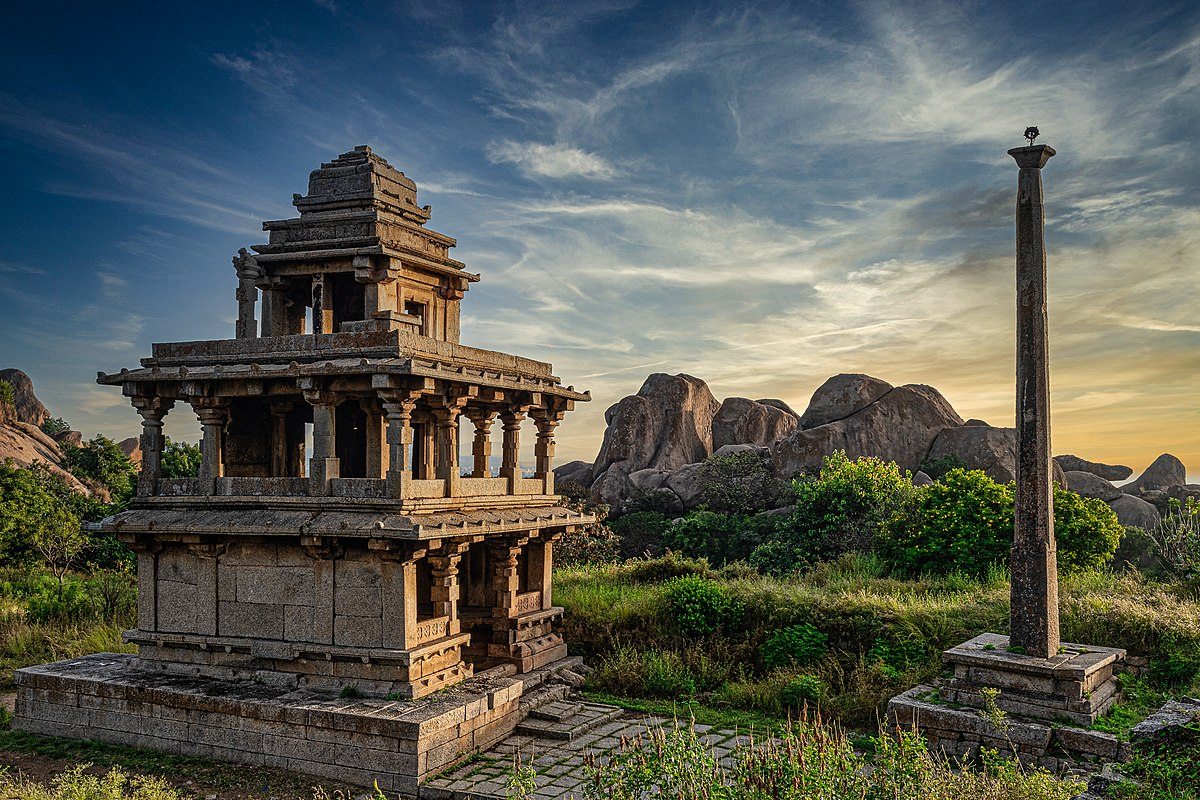
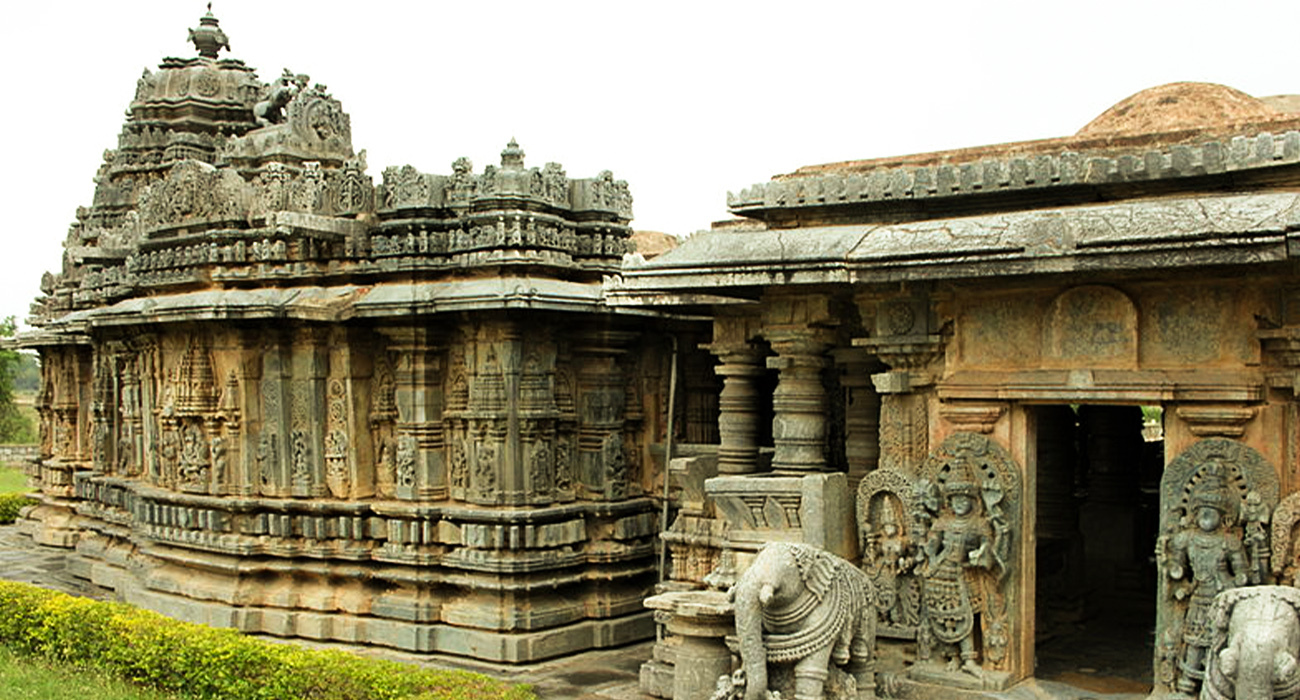
Karnataka is a state steeped in artistic traditions that reflect the deep-rooted Indian heritage. This historical region of India draws tourists and vacationers with its rich culture, ancient monuments, and vibrant festivals.
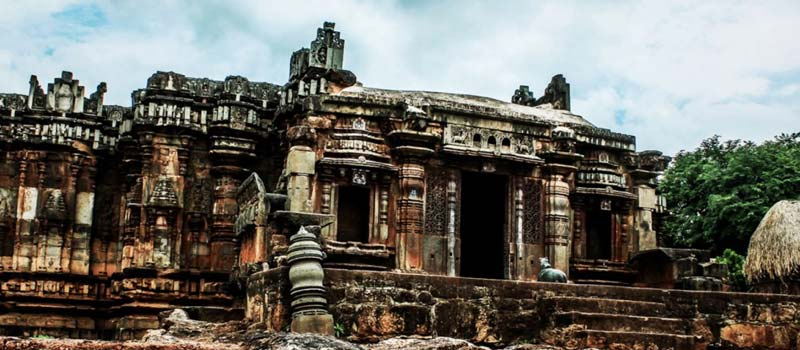
Cultural richness, diverse traditions, grand celebrations, tantalizing cuisine, and a glorious past are synonymous with Karnataka. With a history extending back over 2,000 years, the state is a treasure trove of artistic and cultural splendor. Its landscape is dotted with magnificent temples, historic ruins, and grand palaces, each narrating tales of a bygone era.
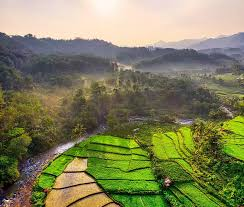
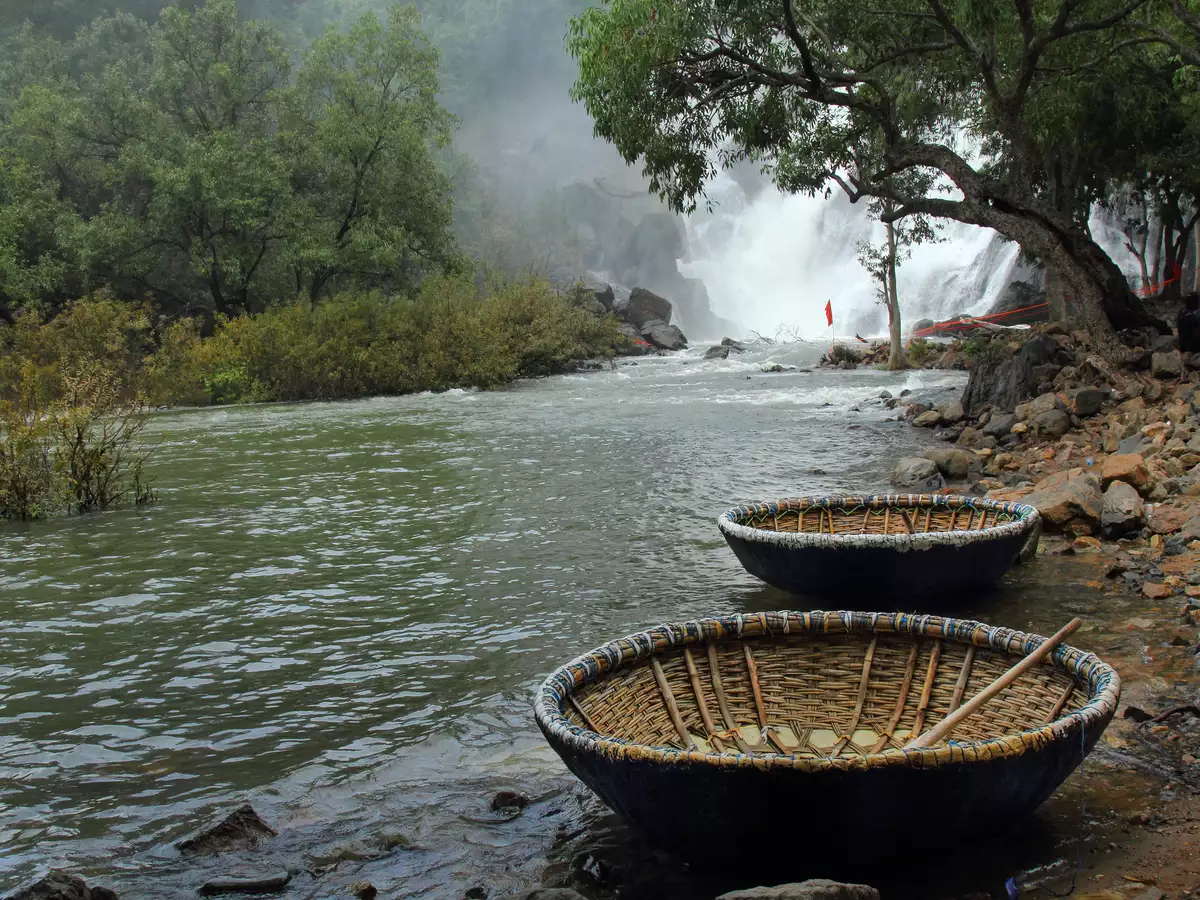
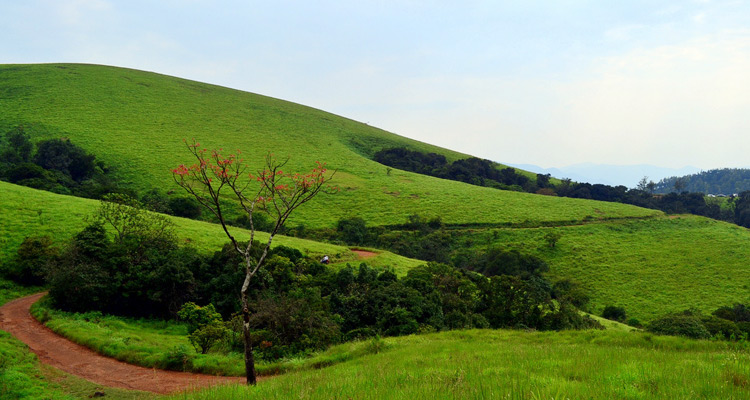
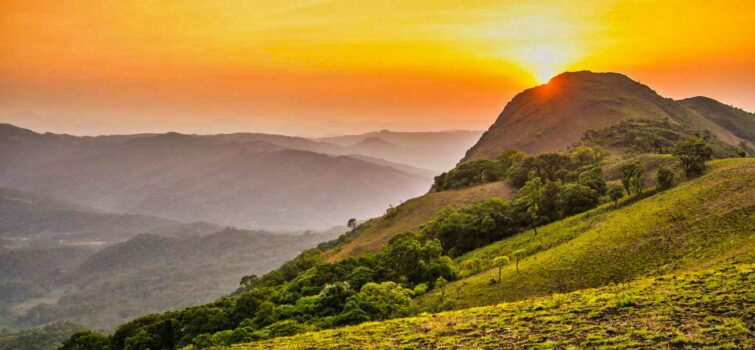
Despite its varied geography, from lush forests to arid stretches, Karnataka’s cultural vibrancy and historical allure make it a unique destination. This blend of heritage and natural beauty attracts visitors from around the world, eager to experience its captivating charm.
HISTORICAL SITES
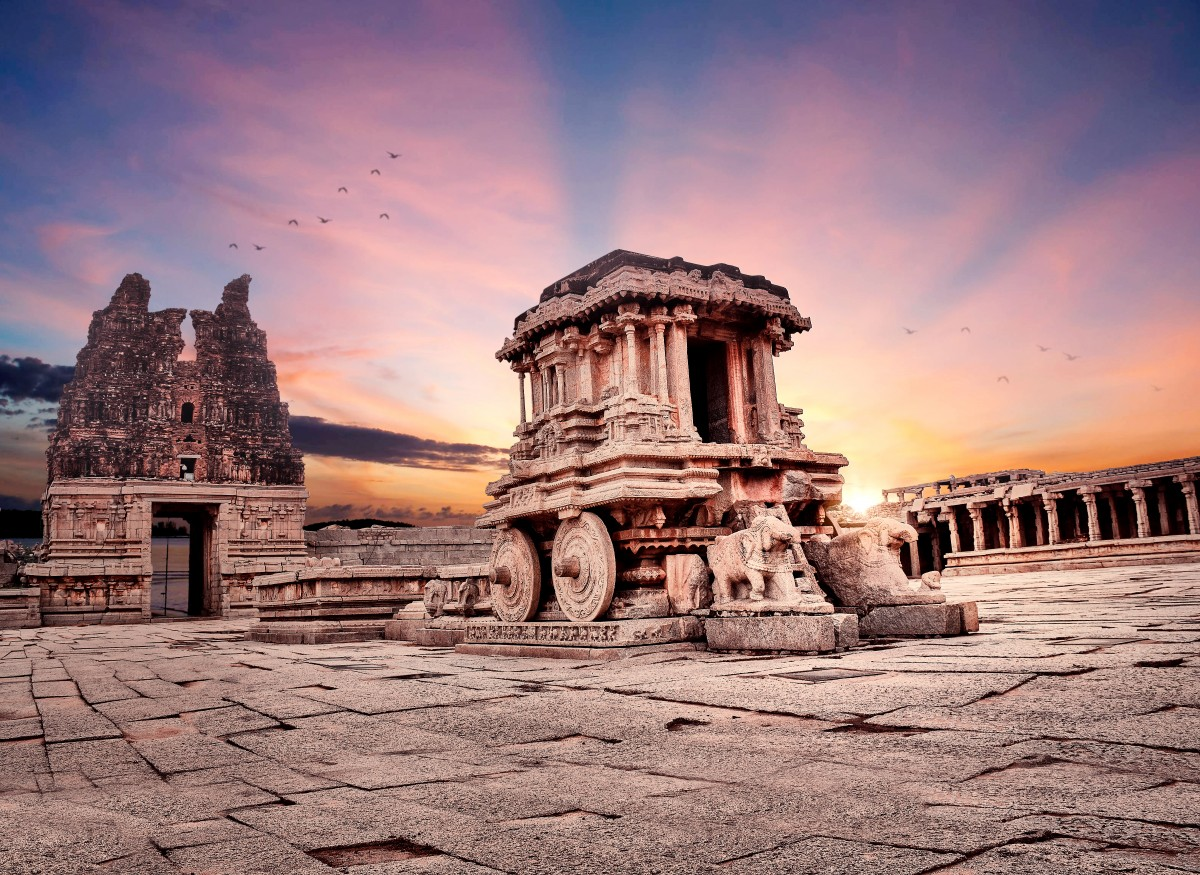
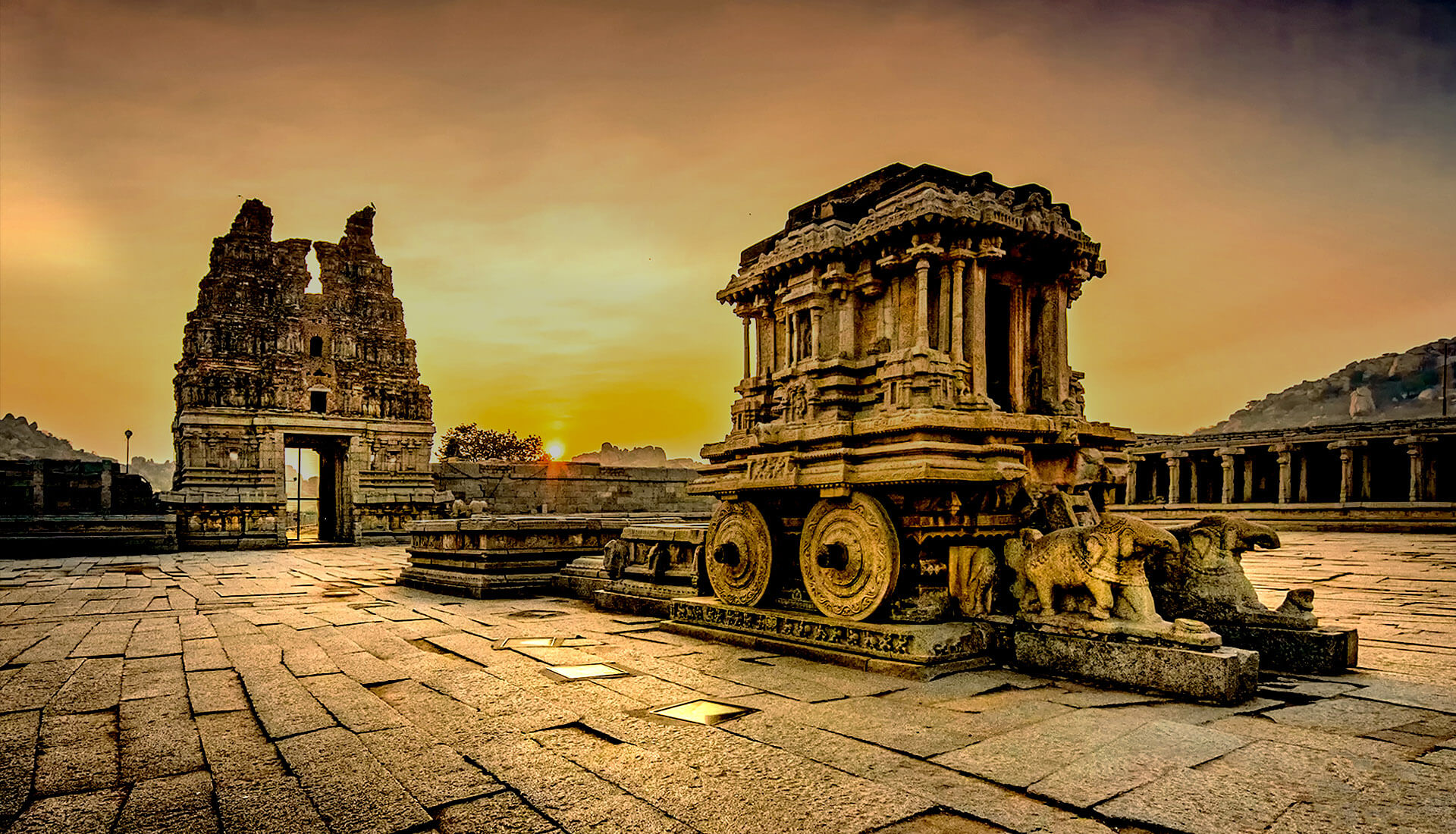
HAMPI
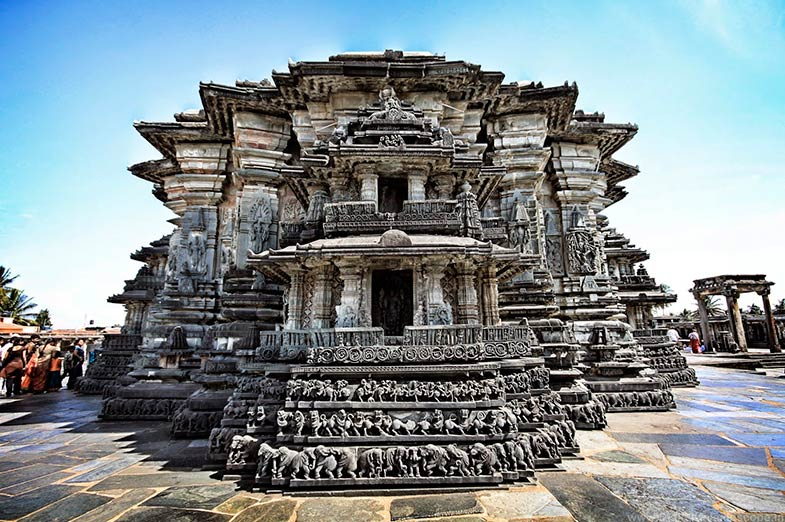
CHENNAKESHAVA TEMPLE
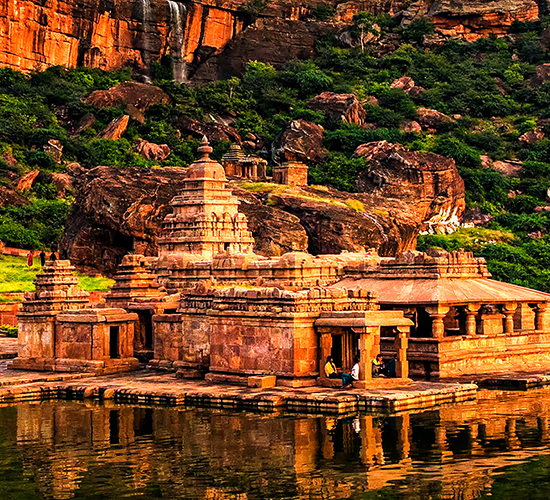
BADAMI CAVE TEMPLE
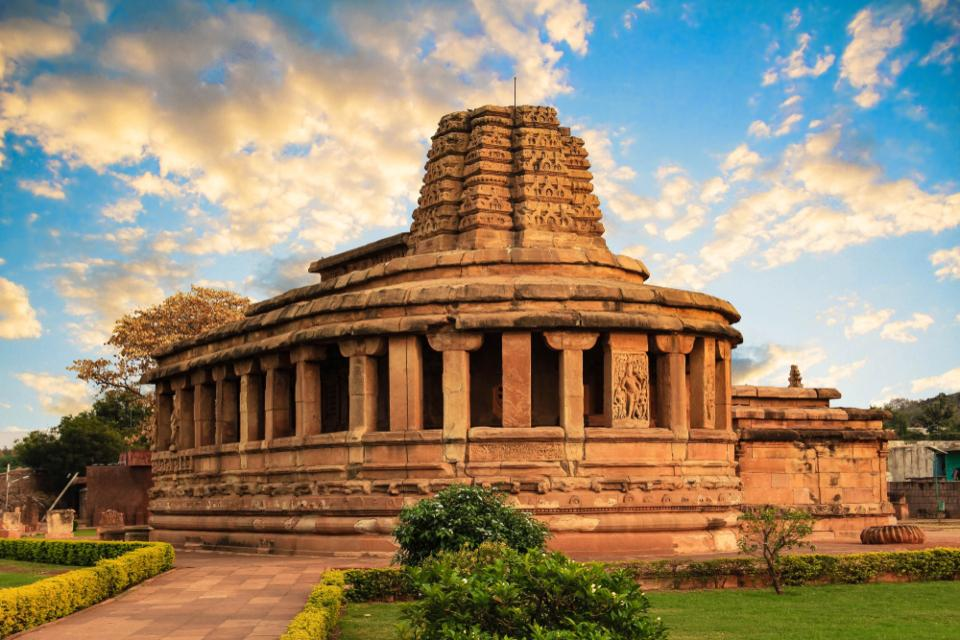
AIHOLE
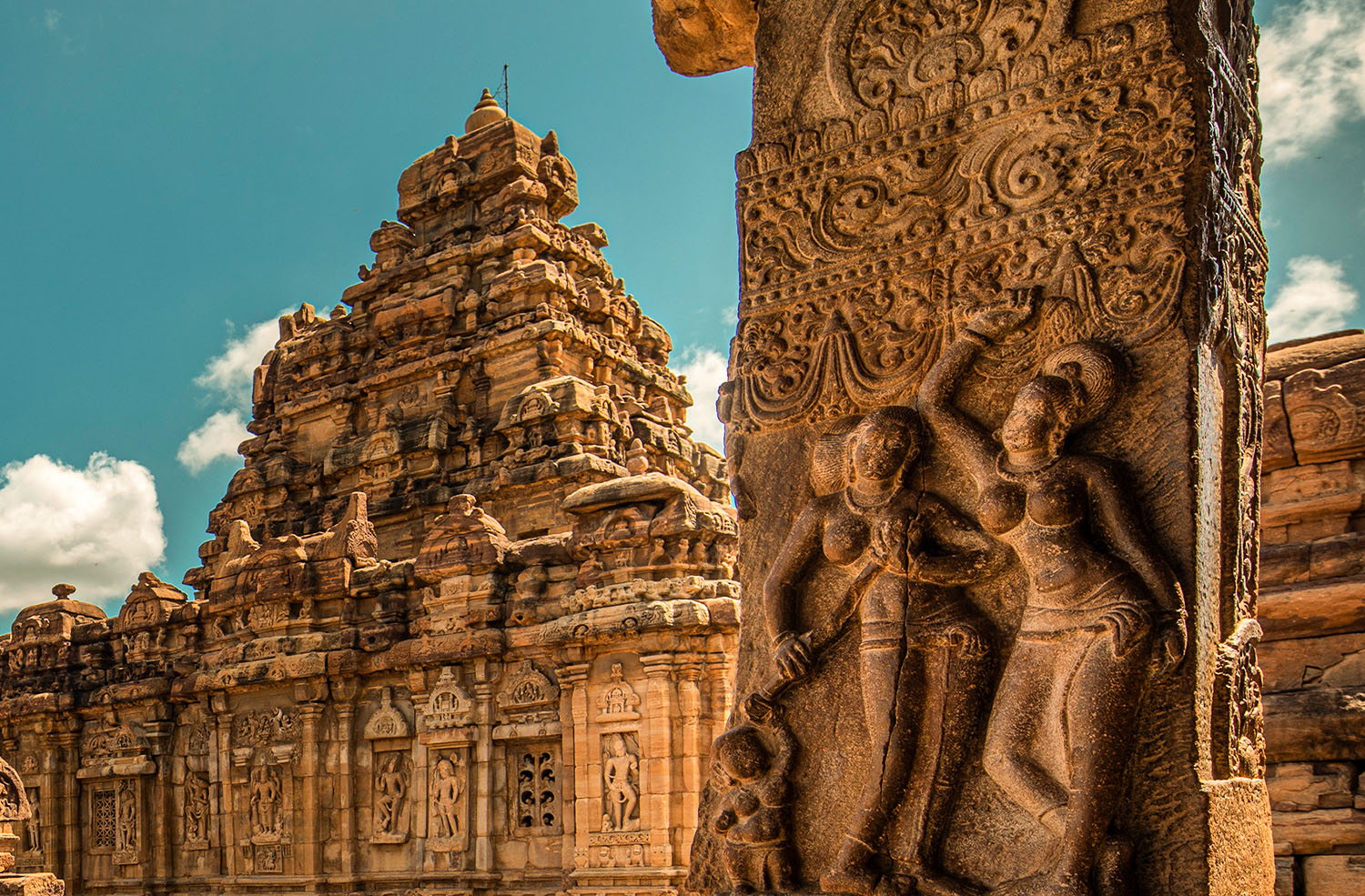
PATTADAKAL
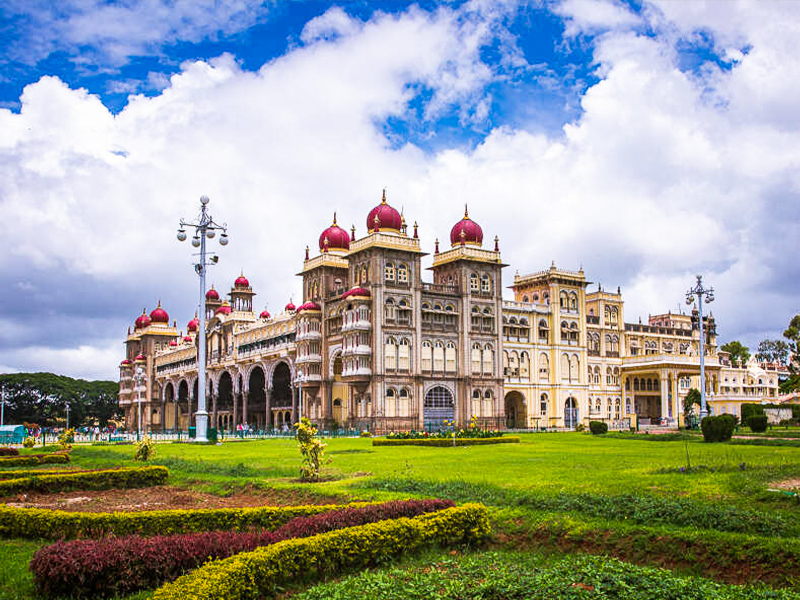
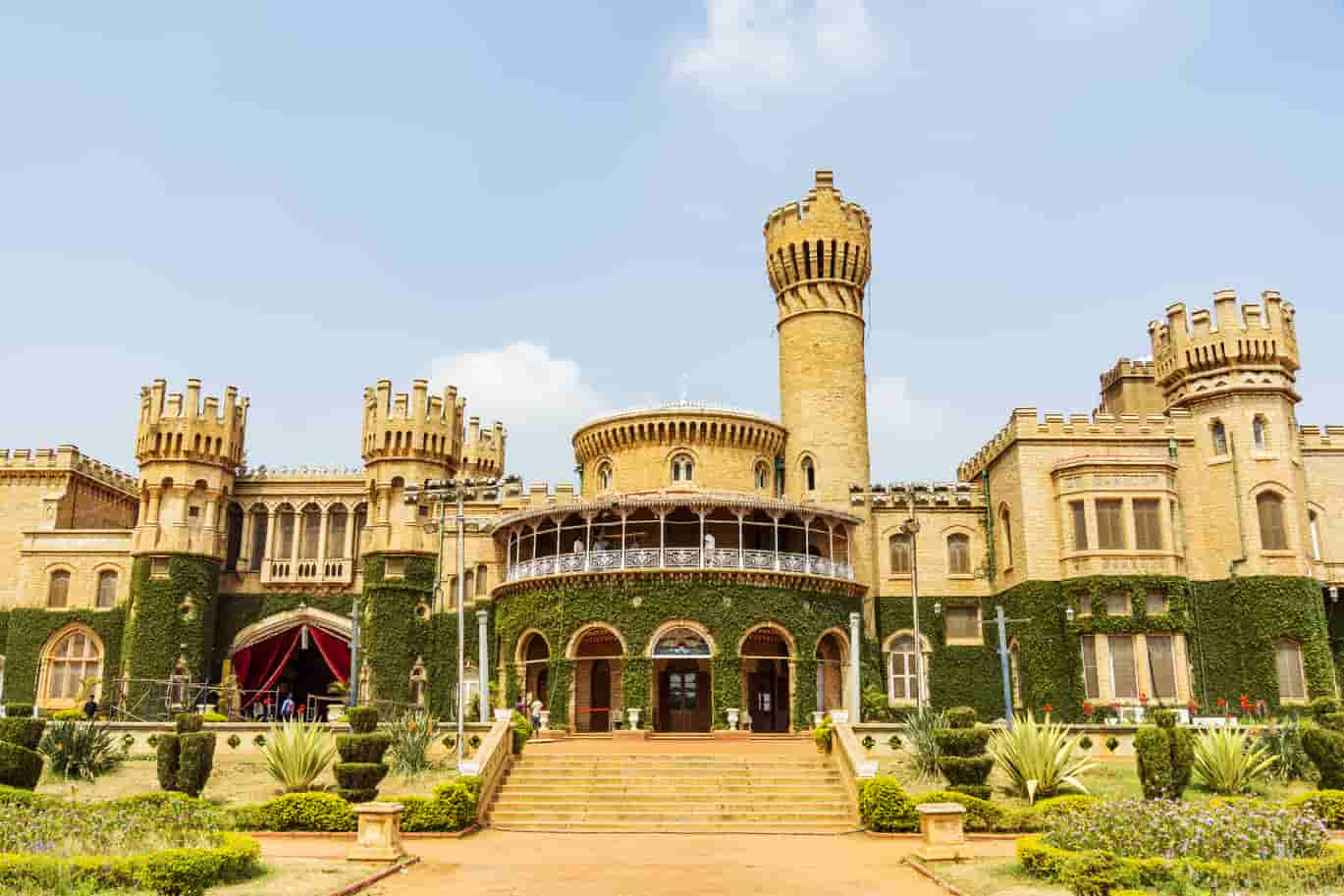
MYSORE PALACE
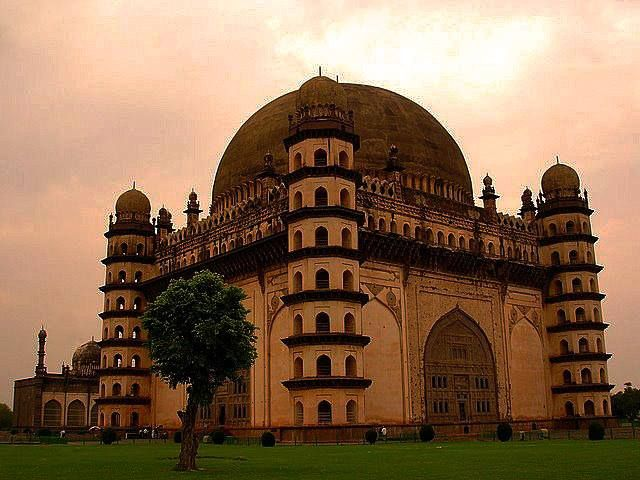
GOL GUMBAZ
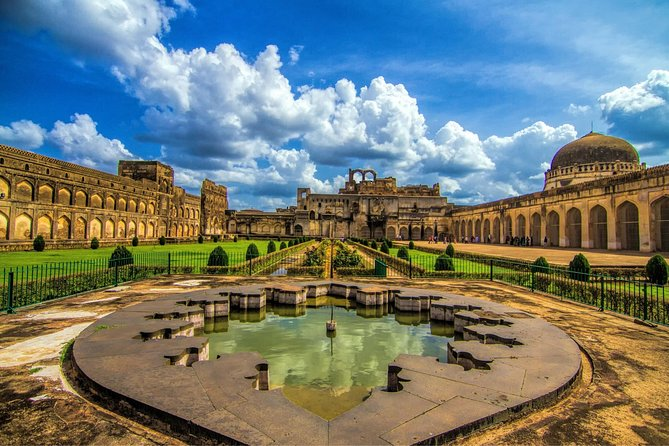
BIDAR FORT
FOOD
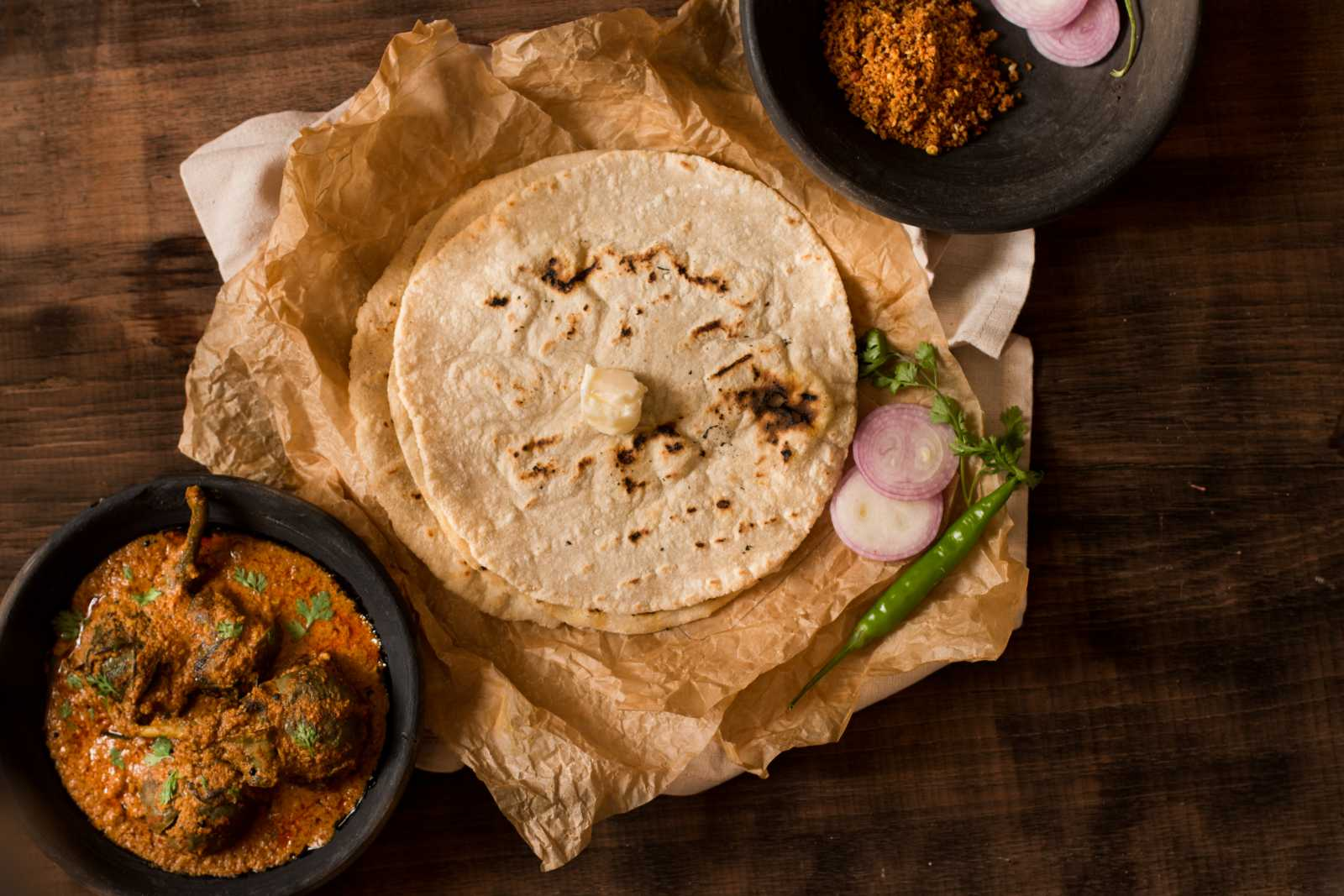
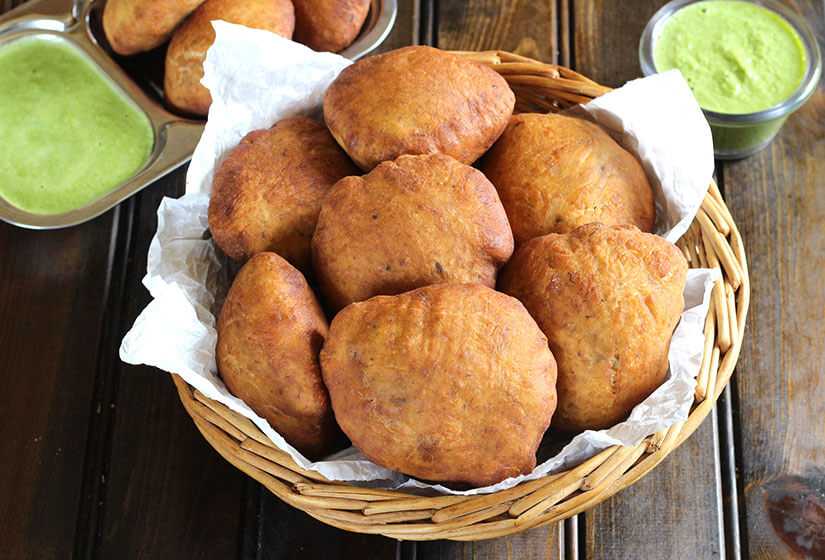
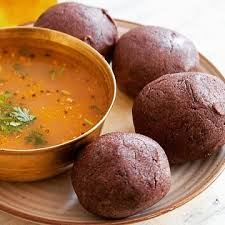
Karnataka's traditional cuisine offers a delightful exploration of the state's rich cultural and regional diversity. North Karnataka is renowned for its robust flavors, featuring dishes like Jolada Roti, a hearty flatbread made from jowar, and Ennegayi, a spicy brinjal curry. Coastal Karnataka contributes its unique touch with Mangalore Buns, soft, sweet bread made from ripe bananas, and flavorful fish curries enriched with coconut.
In South Karnataka, you’ll find beloved classics such as the Mysore Masala Dosa, a crispy rice crepe stuffed with a spiced potato filling, and Bisibele Bath, a comforting rice dish cooked with lentils, vegetables, and aromatic spices. Central Karnataka shines with staples like Ragi Mudde, nutritious millet balls served with spicy sambar.
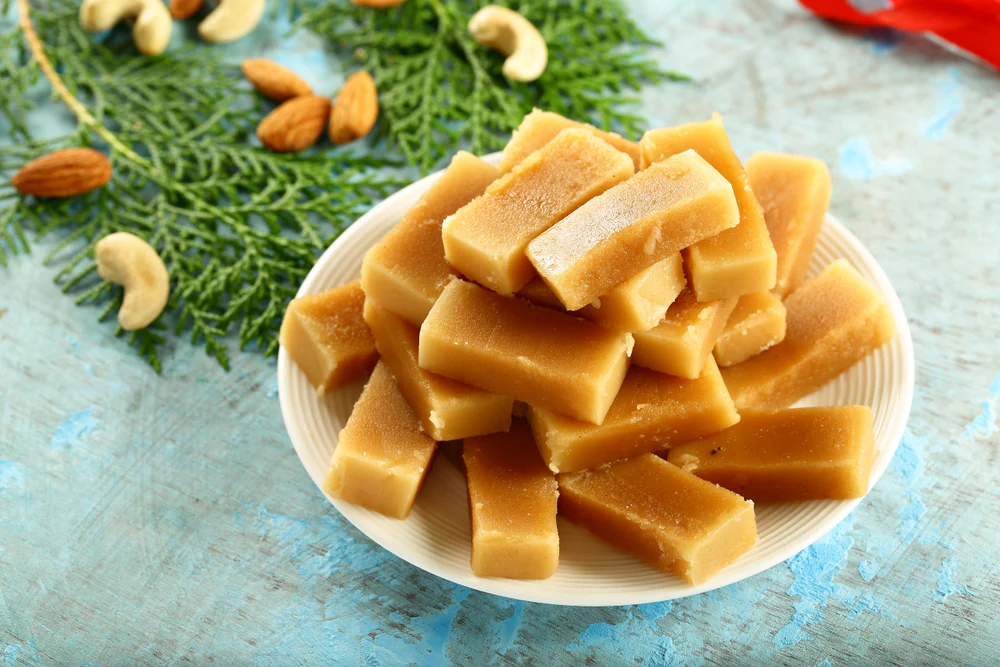
The state’s traditional sweets, including Mysore Pak and Dharwad Peda, provide a sweet conclusion to any meal. Karnataka's diverse culinary landscape reflects its vibrant heritage, making every dish a celebration of the state's history and regional flavors.
Karnataka's culinary landscape is a vibrant mosaic, with each region contributing its distinct flavors and specialties, shaped by its unique geography and cultural influences. Each region’s food not only satisfies the palate but also tells a story of its cultural and geographical heritage, making Karnataka’s cuisine a diverse and delightful journey through the state’s rich traditions.
LANGUAGES OF KARNATAKA
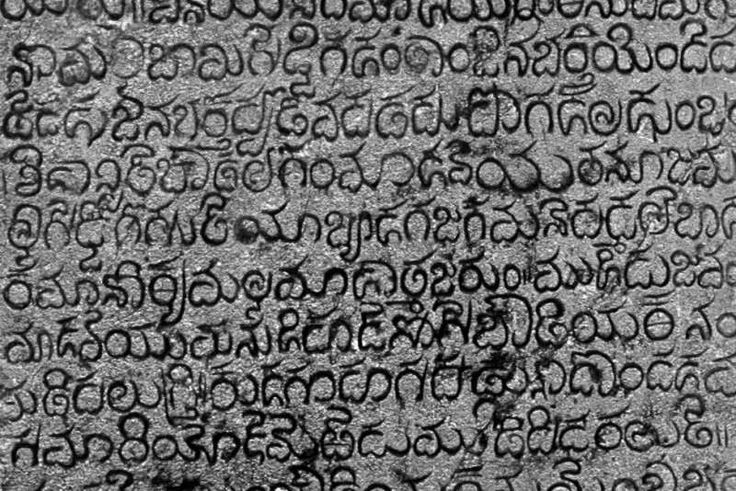
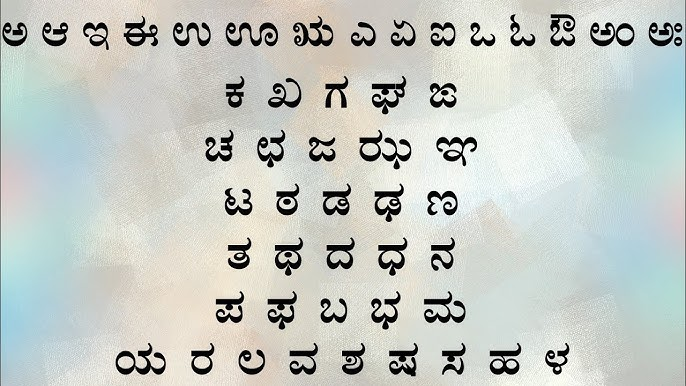
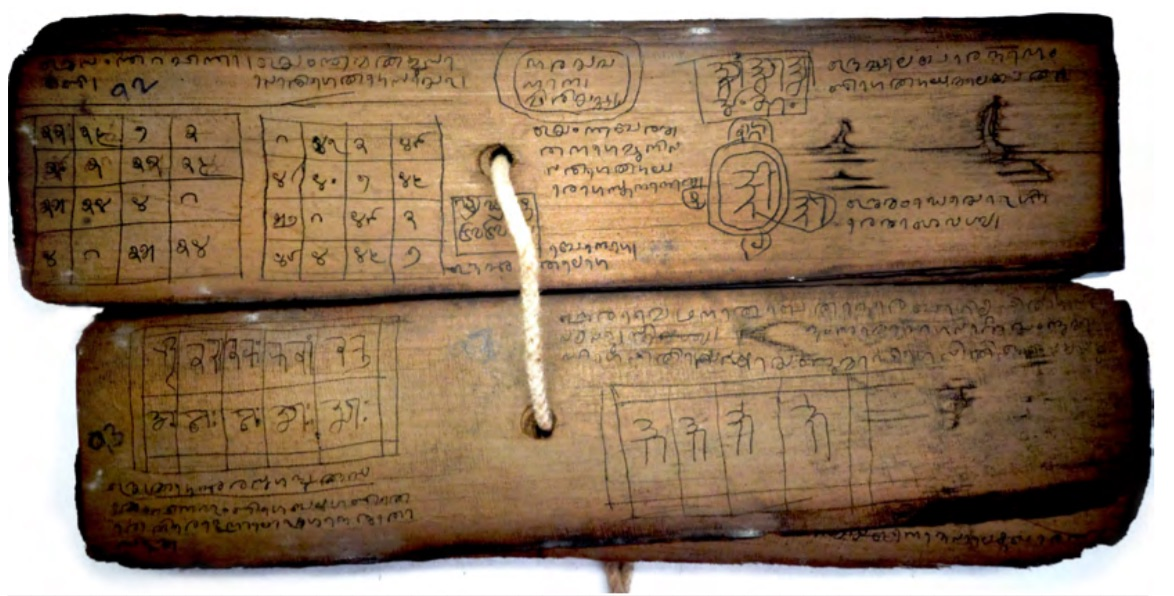
The diversity of Karnataka isn't just in its art and history but also in religious and linguistic ethnicity.
Combined with their long histories, the cultural heritage of the state lies in its language.
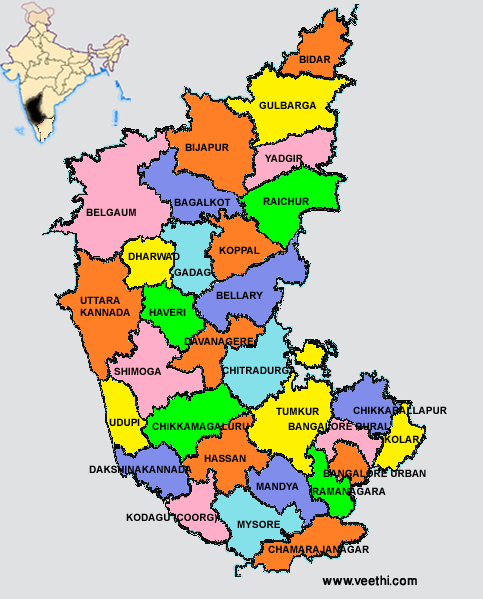
The Kannadigas envelope most of the state that comprises 30 districts, while Karnataka is also home to Kodavas, Tuluvas, and Konkanis.
FESTIVALS AND CELEBRATIONS
UGADI
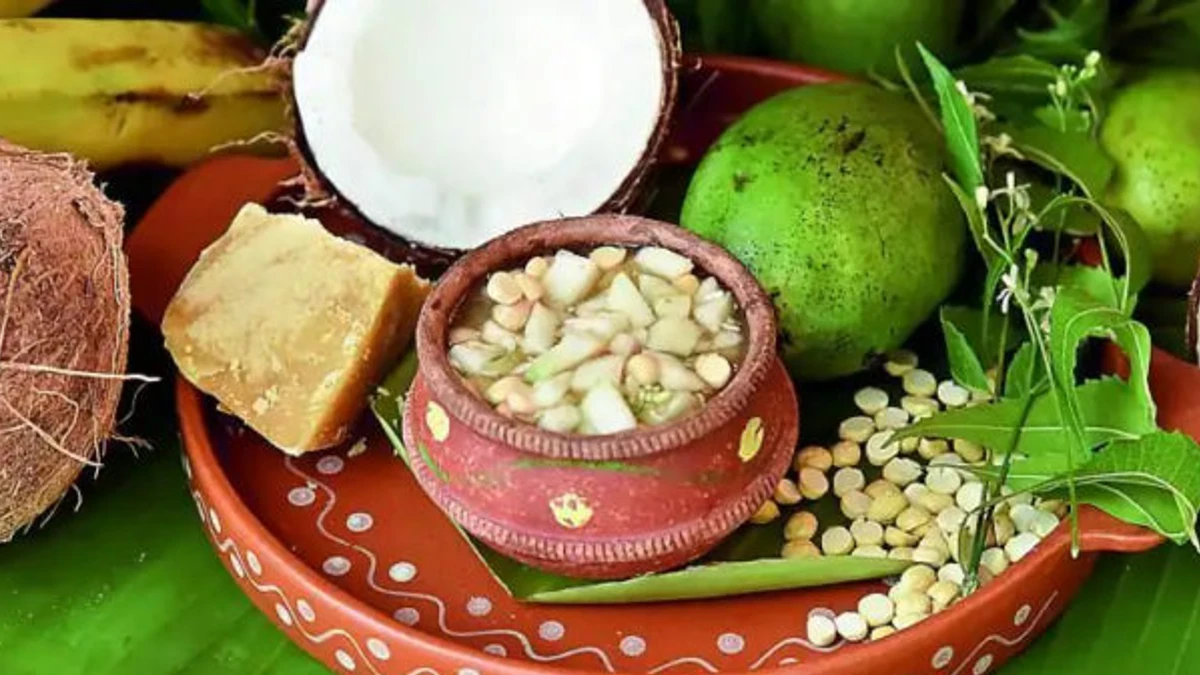
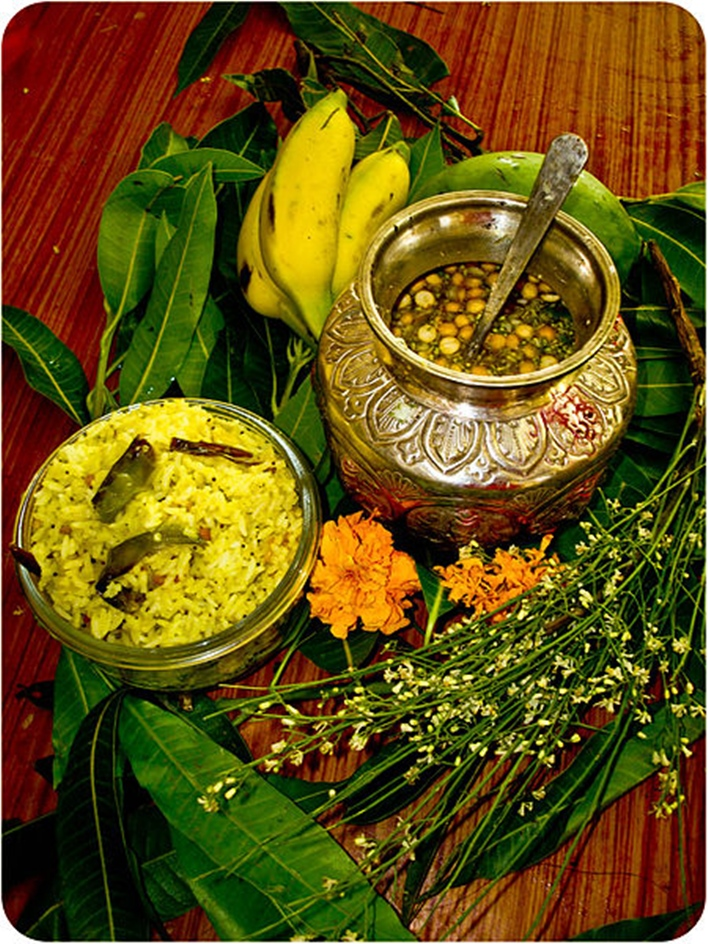
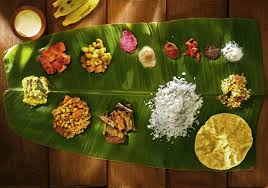
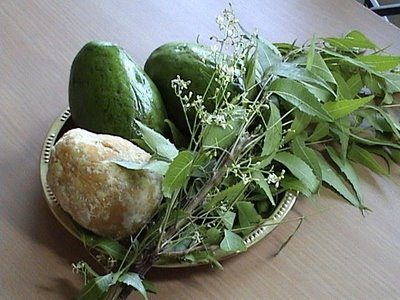
Ugadi, the festival marking the New Year in Karnataka, is celebrated with vibrant traditions and deep cultural significance. Observed typically in March or April, Ugadi symbolizes the beginning of a new lunar year and embodies themes of renewal and hope. The festival is distinguished by the preparation of "Ugadi Pachadi," a traditional dish that combines six distinct tastes—sweet, sour, salty, bitter, pungent, and astringent—reflecting the diverse experiences of life. Homes are adorned with fresh mango leaves and colorful rangoli designs, creating a festive atmosphere. Rituals include special prayers, temple visits, and family gatherings. The celebration is a time for people to don new clothes, exchange heartfelt wishes, and partake in elaborate feasts. Ugadi not only highlights Karnataka’s rich cultural tapestry but also fosters a sense of unity and optimism for the coming year.
MYSURU DASARA
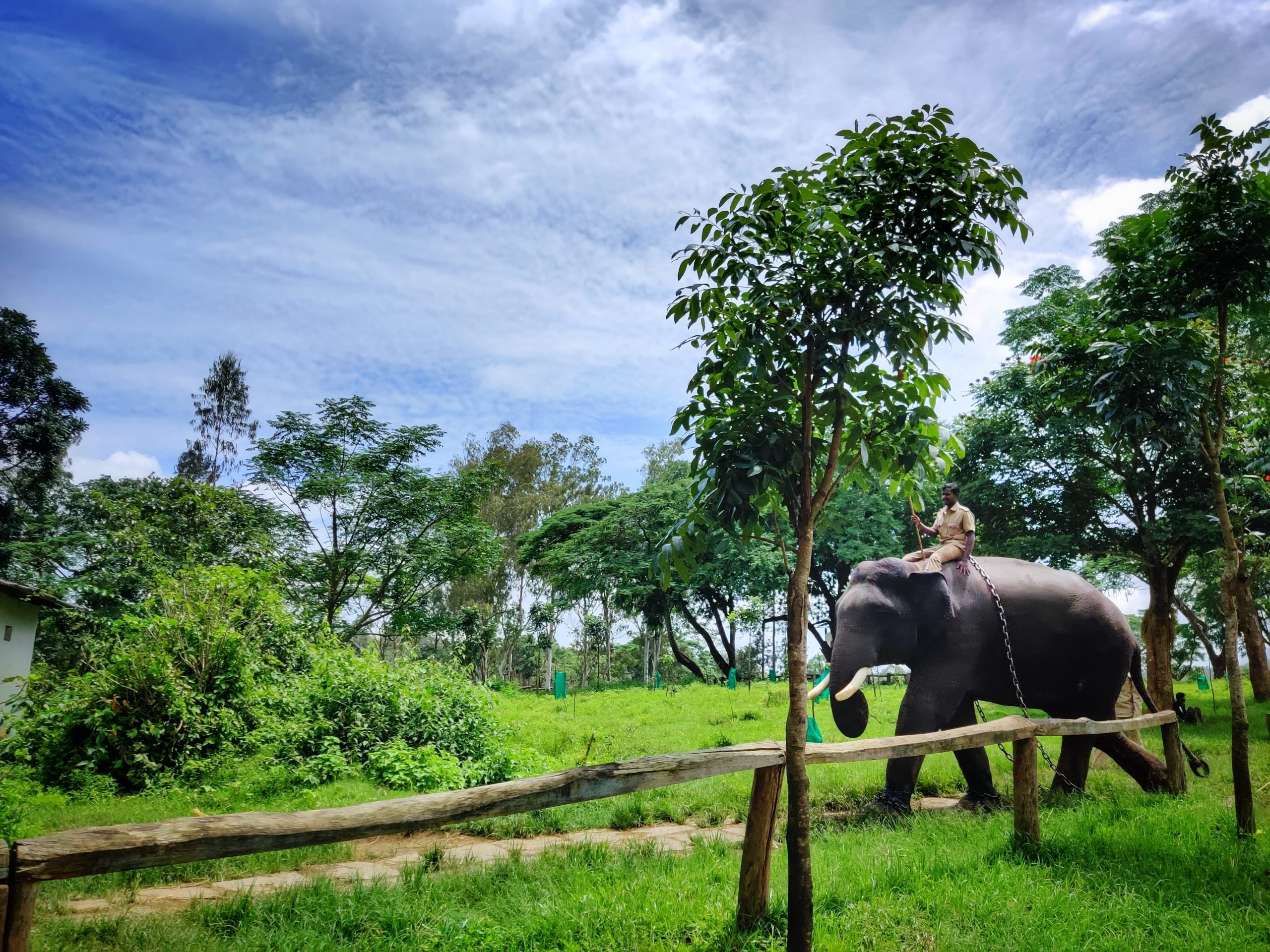
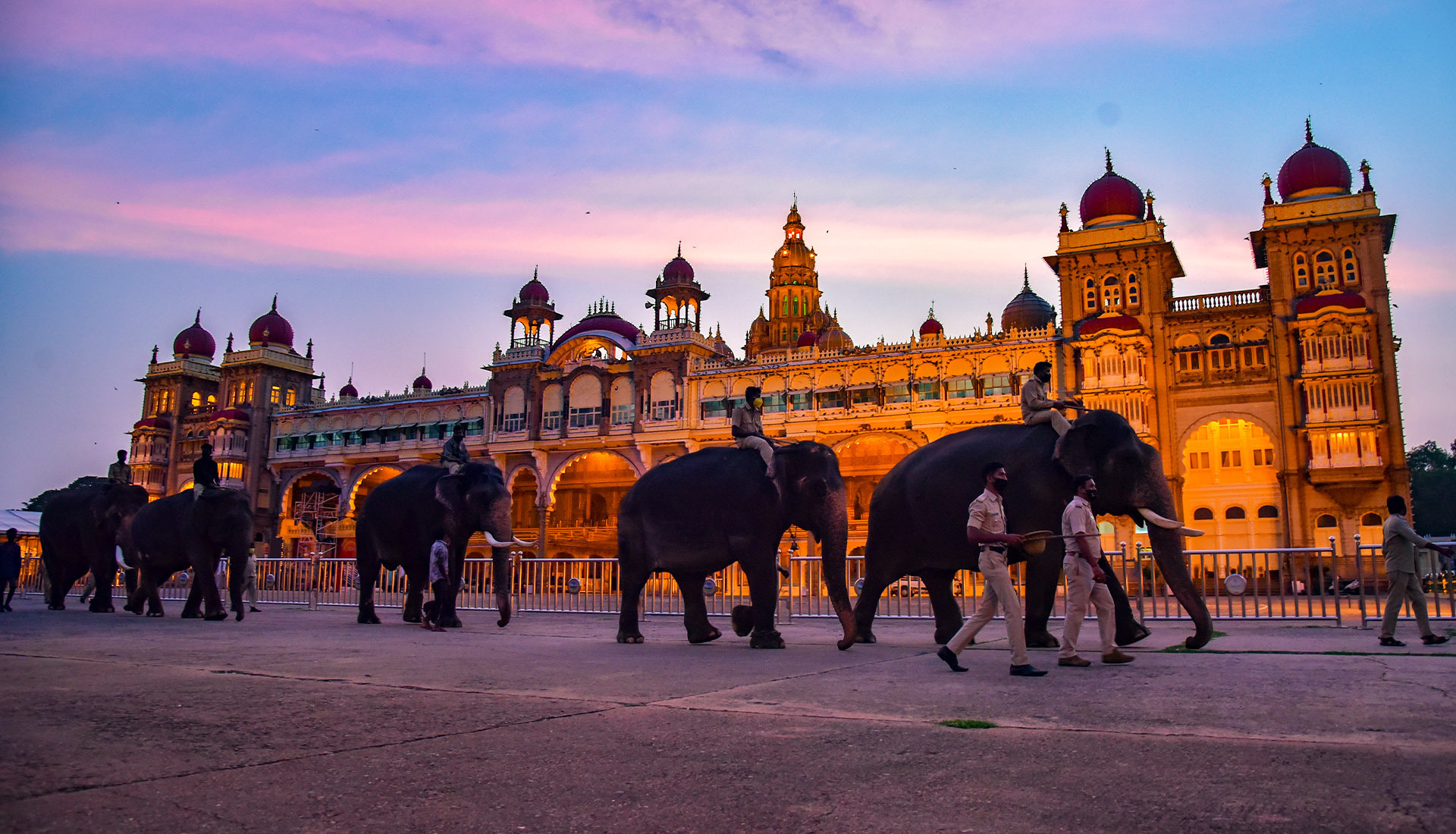
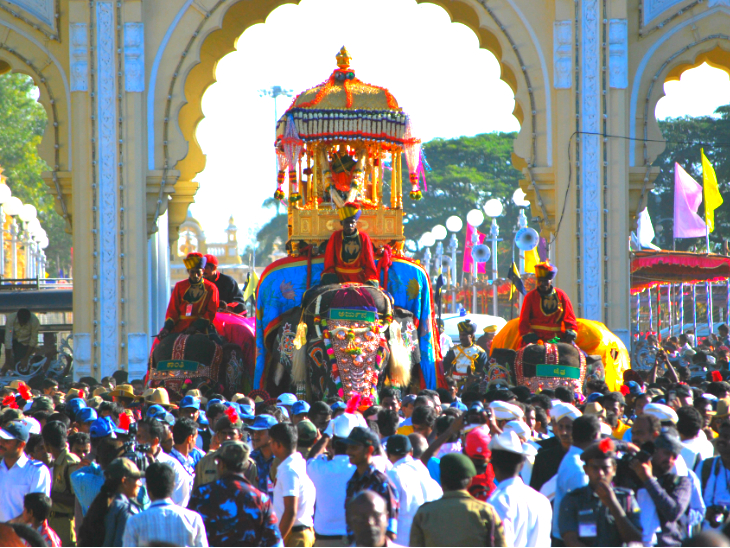
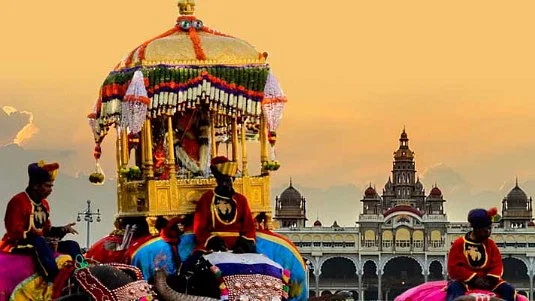
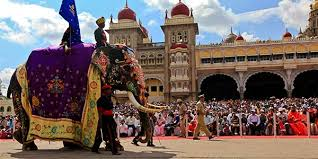
Mysuru Dasara, also known as the "Nadahabba," is a grand festival celebrated with immense pomp and grandeur in Mysuru, Karnataka. Held during the month of Ashwin (September-October), this 10-day event honors the triumph of good over evil, commemorating the victory of Goddess Chamundeshwari over the demon Mahishasura. The festival is renowned for its elaborate processions, with the highlight being the grand parade on Vijayadashami day, where a beautifully decorated elephant carries the idol of the Goddess through the streets of Mysuru. The city comes alive with vibrant decorations, cultural performances, traditional music, and dance. Major attractions include the illuminated Mysore Palace, showcasing a dazzling display of lights, and various cultural events and exhibitions that reflect Karnataka’s rich heritage. Mysuru Dasara not only celebrates religious traditions but also serves as a significant cultural event, drawing tourists from all over India and beyond to witness its splendor and revelry.
KARAGA
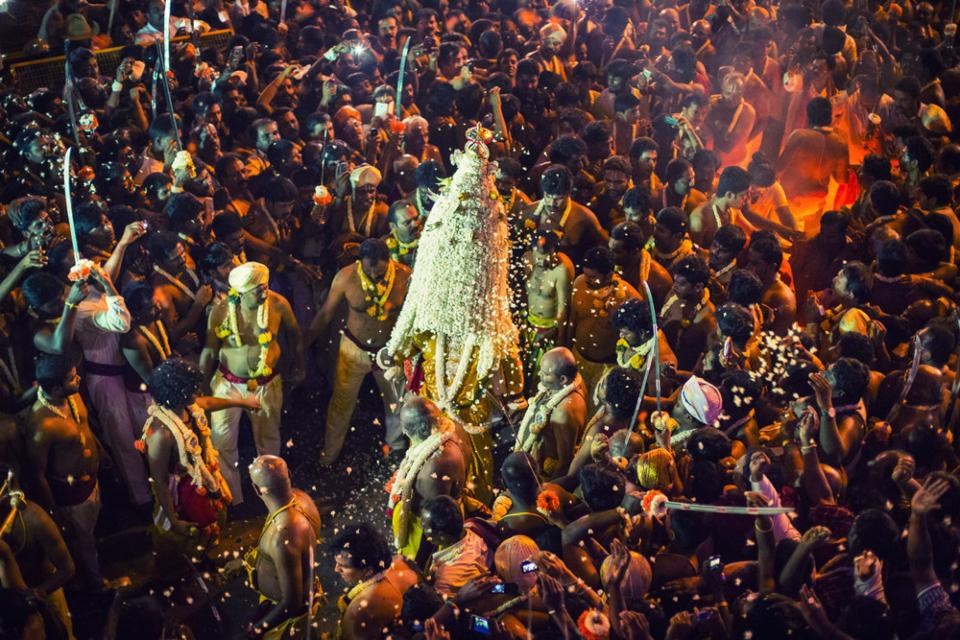
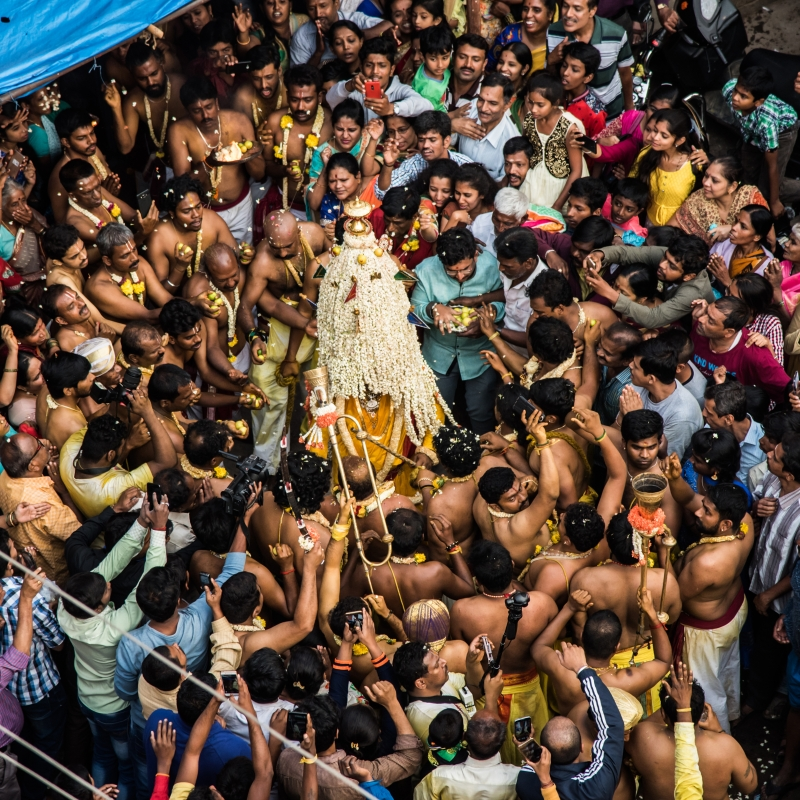
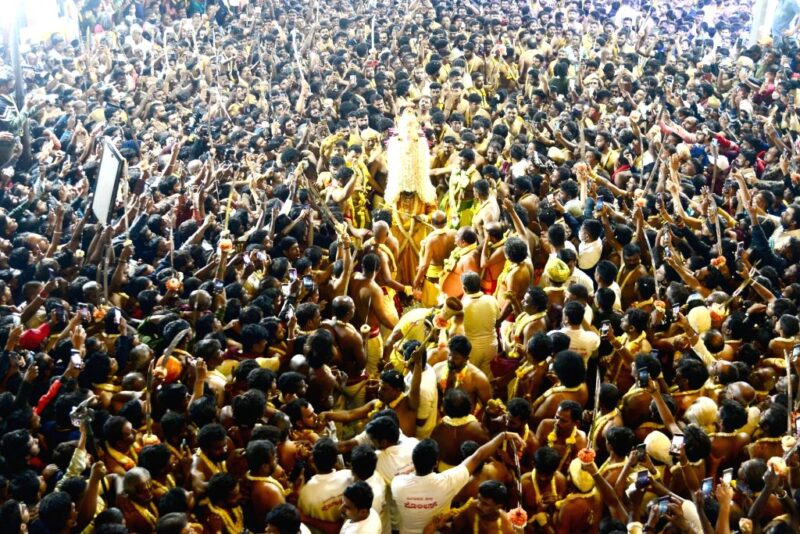
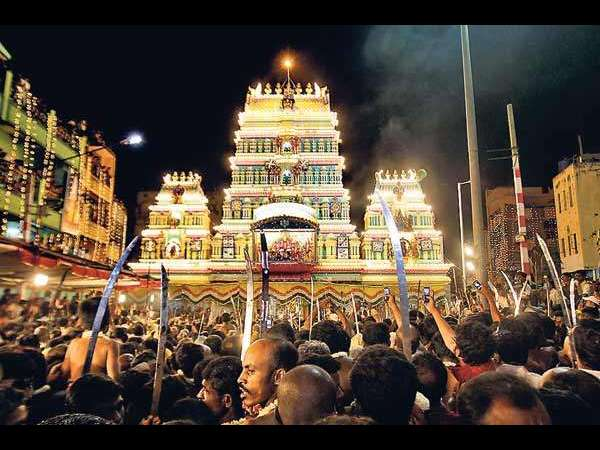
The Karaga, a vibrant and ancient festival celebrated in Karnataka, particularly in Bangalore, is a significant event in the local cultural and religious calendar. Held typically in the months of March or April, the Karaga is a traditional celebration dedicated to the goddess Draupadi, a revered figure in South Indian folklore. The festival is renowned for its grand procession, where a dedicated devotee, known as the "Karaga bearer," carries a decorated, elaborate floral canopy on his head, symbolizing the goddess. This ceremonial procession winds through the streets, accompanied by traditional music, dance, and devotional chanting, creating a lively and colorful spectacle. The bearer of the Karaga, adorned in traditional attire and often in a trance-like state, performs rituals and prayers as part of the event. The Karaga is not only a religious observance but also a vibrant cultural festivity that reflects the rich traditions of Karnataka. It brings together communities, celebrating their shared heritage through a blend of spiritual reverence and joyful festivity.
KAMBALA
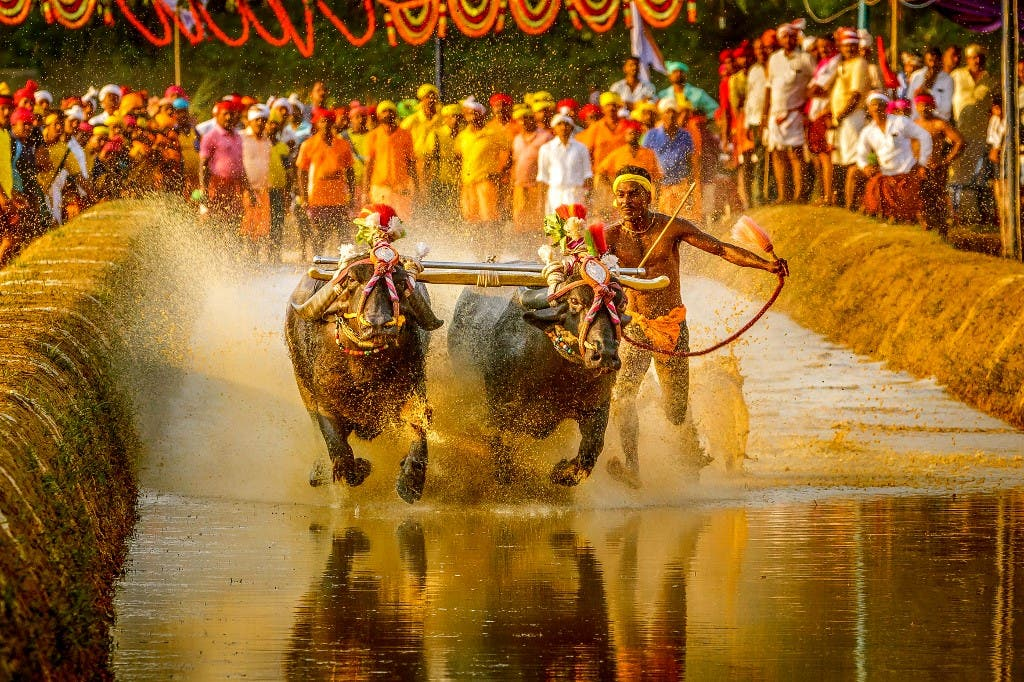
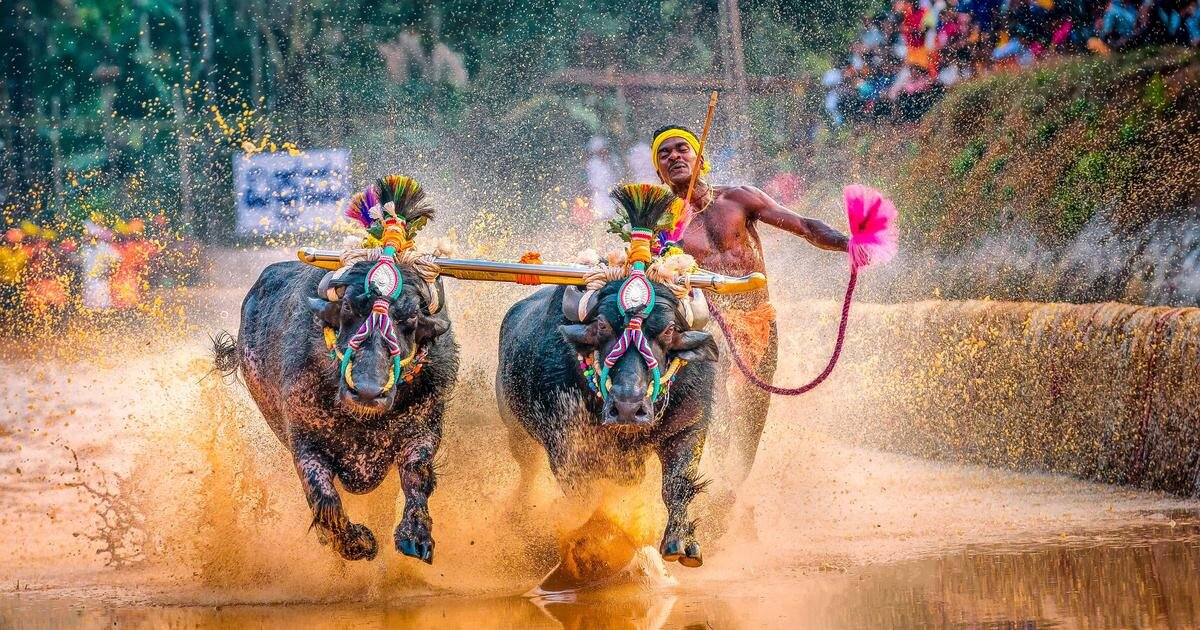
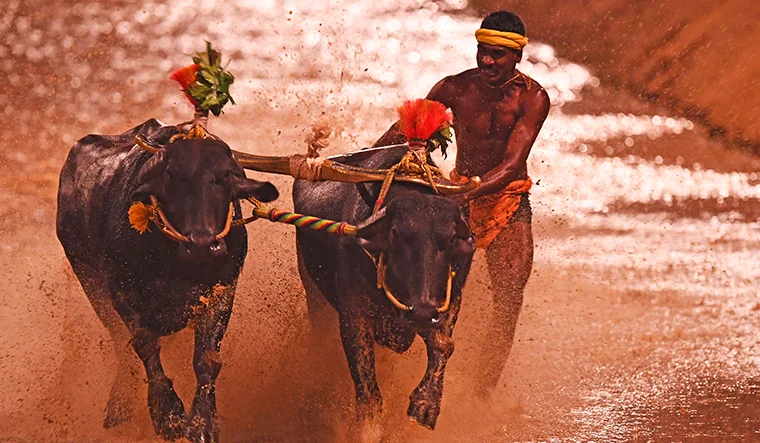
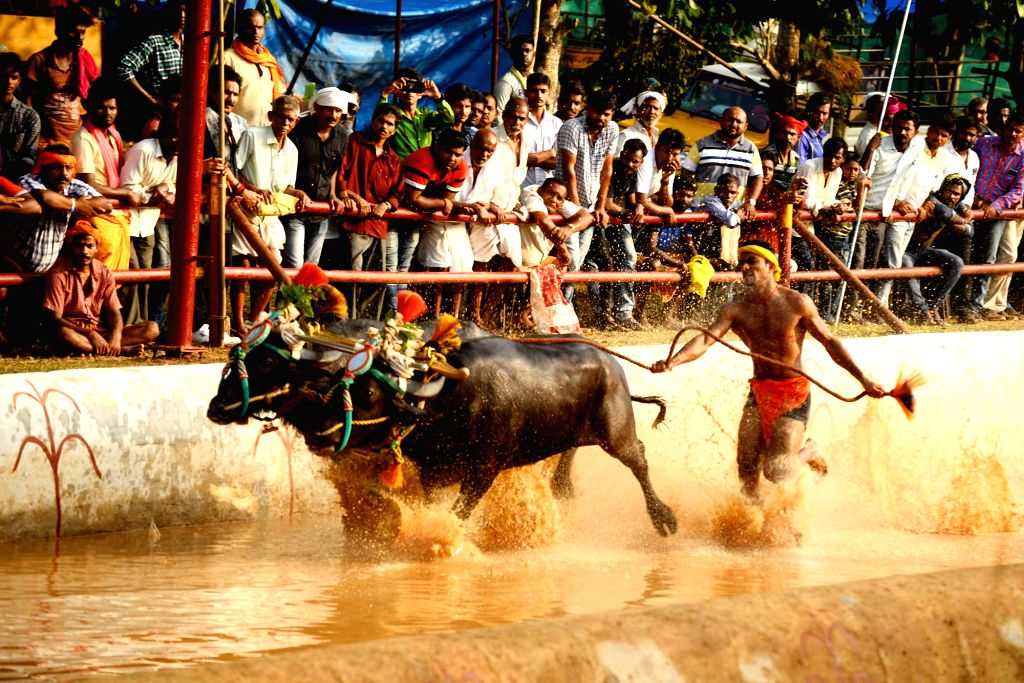
Kambala, a traditional and exhilarating buffalo race, is a prominent cultural festival celebrated in Karnataka, particularly in the coastal districts of Dakshina Kannada and Udupi. Held annually between November and March, Kambala showcases the region’s rich agricultural heritage and deep-rooted traditions. The event features pairs of buffaloes sprinting through muddy fields, driven by their handlers, known as "kambala jockeys," who guide them through a waterlogged track. The races are both a test of speed and skill, and a display of community spirit, with enthusiastic crowds cheering on the participants. Kambala is often accompanied by vibrant festivities, including traditional music, dance performances, and cultural programs. This lively spectacle is not only a celebration of local agrarian practices but also a testament to Karnataka's rich folk traditions, drawing visitors from across the state and beyond to witness the thrilling and colorful event.
DEEPAWALI
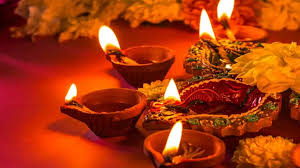
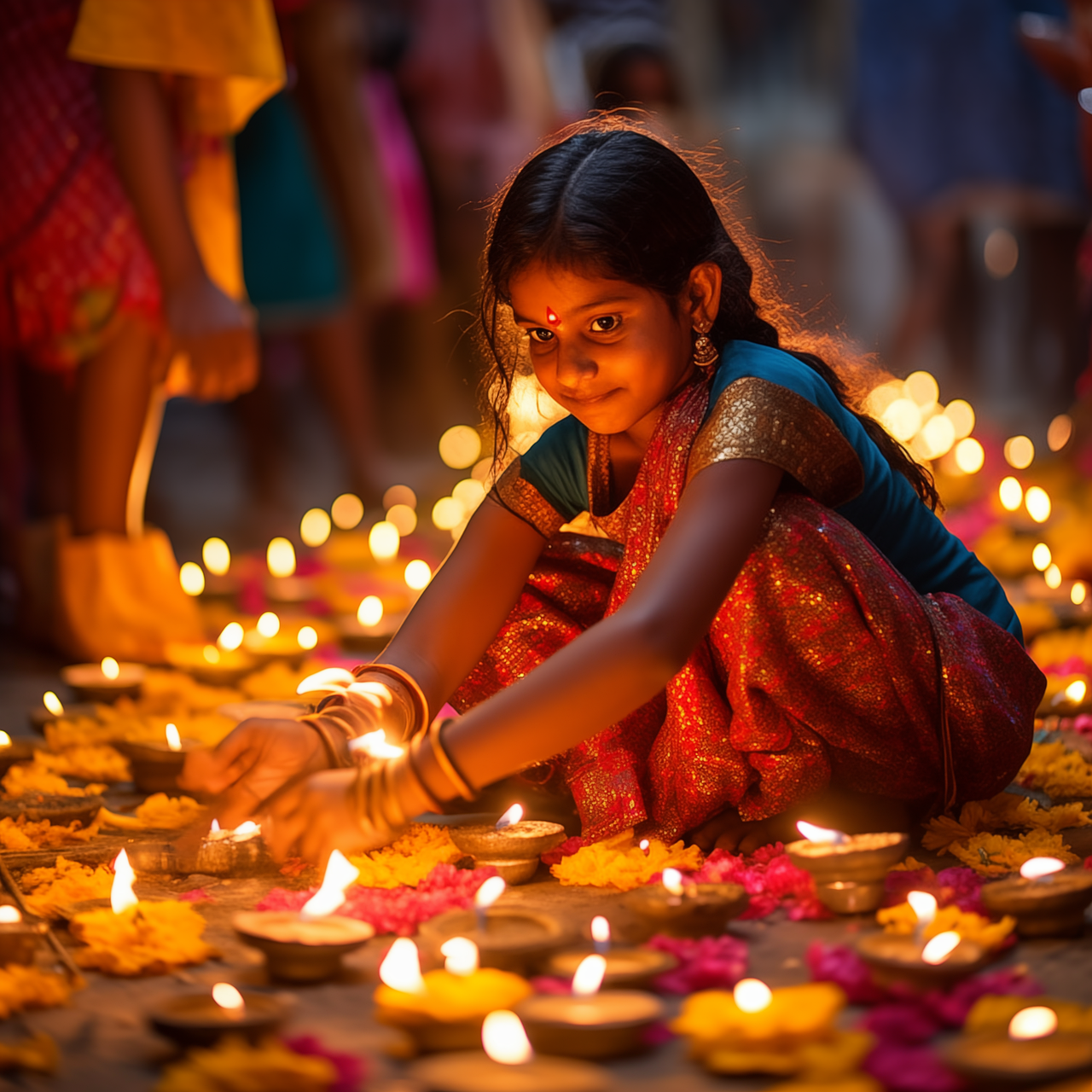
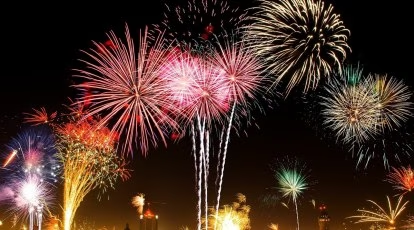
Deepavali, also known as Diwali, is celebrated with great enthusiasm in Karnataka, reflecting the state's vibrant cultural heritage. Occurring in October or November, Deepavali is the Festival of Lights, symbolizing the triumph of light over darkness and good over evil. In Karnataka, the festival is marked by a range of traditional practices and celebrations. Preparations for Deepavali start well in advance, with homes being thoroughly cleaned and adorned with colorful rangoli designs and oil lamps. On the day of Deepavali, families light diyas (oil lamps) and candles, creating a warm and festive ambiance. Fireworks and crackers are a central part of the celebrations, filling the night sky with dazzling displays. The festival is also known for its special sweets and snacks, including items like Mysore Pak, a rich and buttery dessert, and various savory treats. Families gather to perform Lakshmi Puja, worshiping Lakshmi, the goddess of wealth and prosperity, to seek her blessings for the coming year. Deepavali in Karnataka is a time for family reunions, sharing festive meals, and exchanging gifts. The festivities embody a spirit of joy and togetherness, making it one of the most eagerly anticipated and cherished celebrations in the state.
ART FORMS AND HANDICRAFTS
SANDALWOOD CARVING
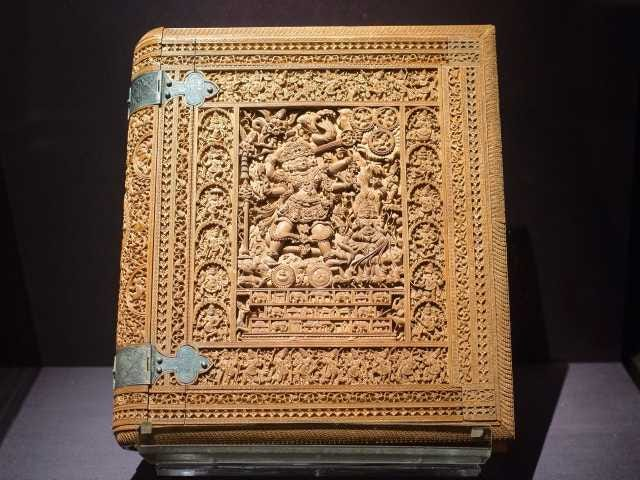
Sandalwood carving is a traditional art form from Karnataka, celebrated for its intricate and detailed designs. Artisans use fragrant sandalwood to create beautiful carvings, often depicting religious motifs and mythological figures. The soft texture of the wood allows for fine, delicate work, resulting in exquisite decorative items and religious idols. Sandalwood carvings are prized for their craftsmanship and are integral to Karnataka's cultural heritage. The art form is preserved through skilled artisans who continue to pass down their techniques through generations.
YAKSHAGANA
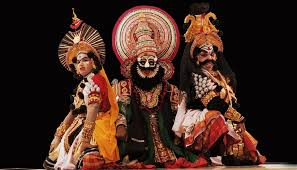
Yakshagana is a traditional dance-drama from Karnataka, blending music, dance, and dialogue to dramatize mythological stories. Known for its colorful costumes and elaborate make-up, it features energetic performances accompanied by traditional instruments like the dhol and maddale.
Performances often last several hours, with actors delivering poetic dialogue and expressive gestures. Rooted in Hindu epics, Yakshagana is celebrated during festivals and cultural events, showcasing Karnataka's rich artistic heritage. Despite its traditional origins, it has evolved to include contemporary themes while preserving its vibrant essence.
MYSORE PAINTING
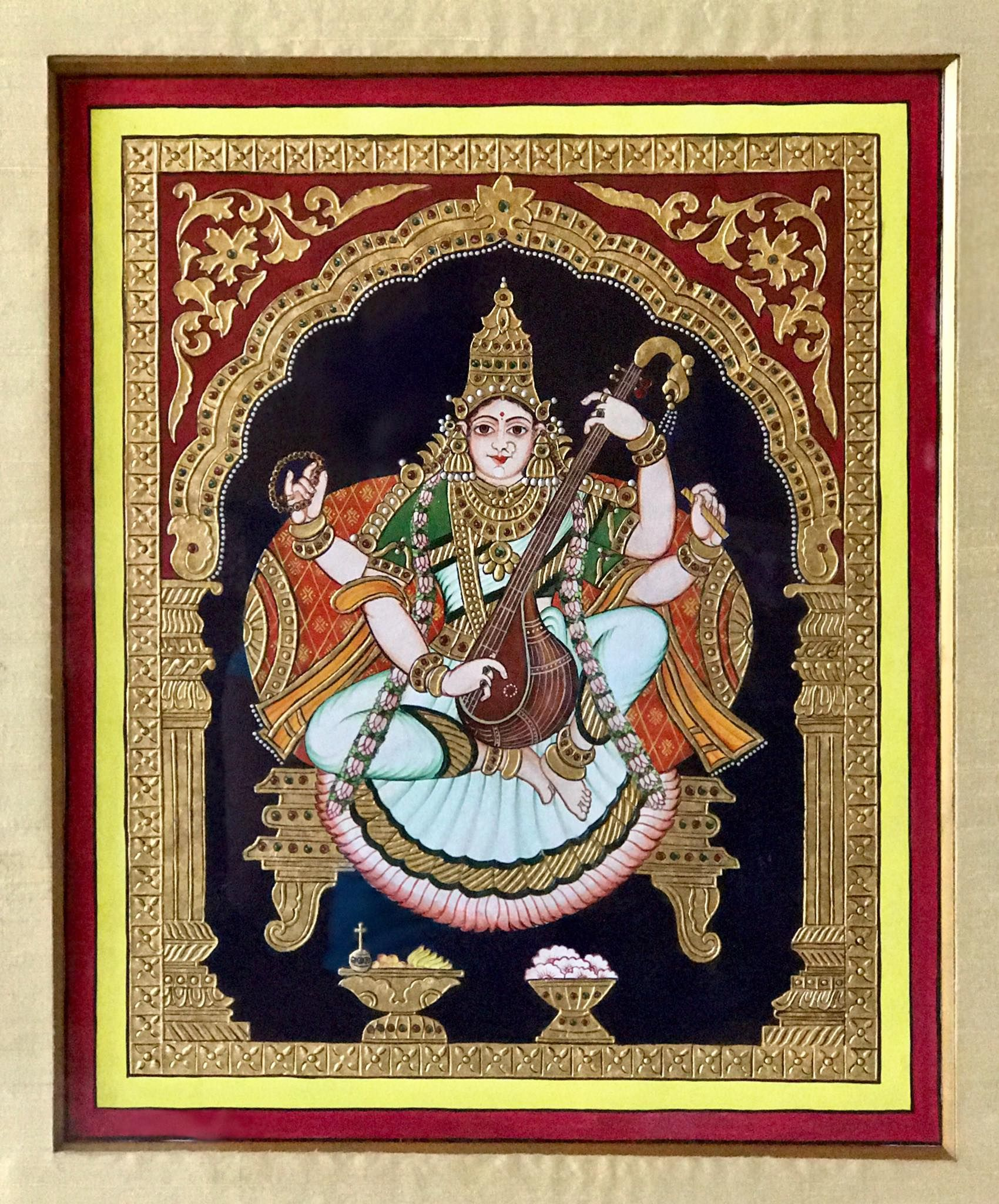
Mysore painting is a classical South Indian art form known for its intricate details and use of vibrant colors. Originating from the Mysore region, these paintings often depict religious themes, including deities and mythological figures. Characterized by their meticulous craftsmanship, Mysore paintings feature rich textures and gold foil work, adding a distinctive shine.
Traditional techniques involve the use of natural colors and intricate brushwork. Mysore paintings are celebrated for their elaborate borders and detailed iconography, reflecting the region’s artistic heritage.
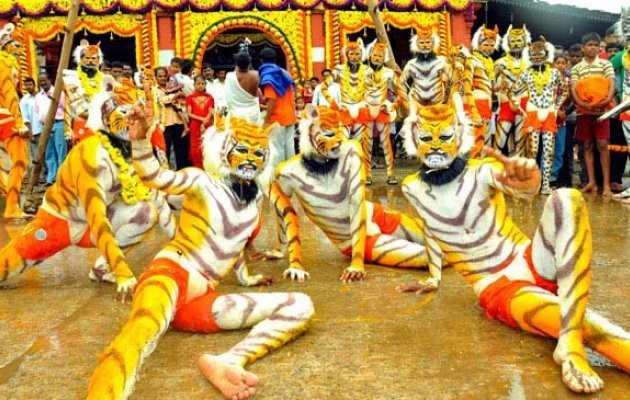
HULI VESHA
Huli Vesha is a traditional mask dance from Karnataka, performed mainly during festivals like Dussehra. Dancers wear elaborate, vividly painted masks and costumes that often depict tigers or other mythical creatures.
The performance features energetic movements and dramatic expressions, accompanied by traditional percussion music. It serves as both entertainment and a form of religious devotion, celebrating local folklore and deities. Huli Vesha is a vibrant expression of Karnataka's cultural heritage, showcasing its rich artistic traditions.
GALLERY