BADAMI

Historic Site

DYNASTY: Chalukya Dynasty

NEAREST CITY: Bagalkot

ARCHITECTURAL STYLE(S): Hindu Rock-Cut Temples

AREA: Approximately 10 square kilometers (3.9 sq mi)

BUILT: 6th–8th century CE

ELEVATION: 550 m (1,804 ft)

GOVERNING BODY: Archaeological Survey of India

Badami Temples
Badami Temple 1 Badami Temple 2 Badami Temple 3 Badami Temple 4

HISTORY

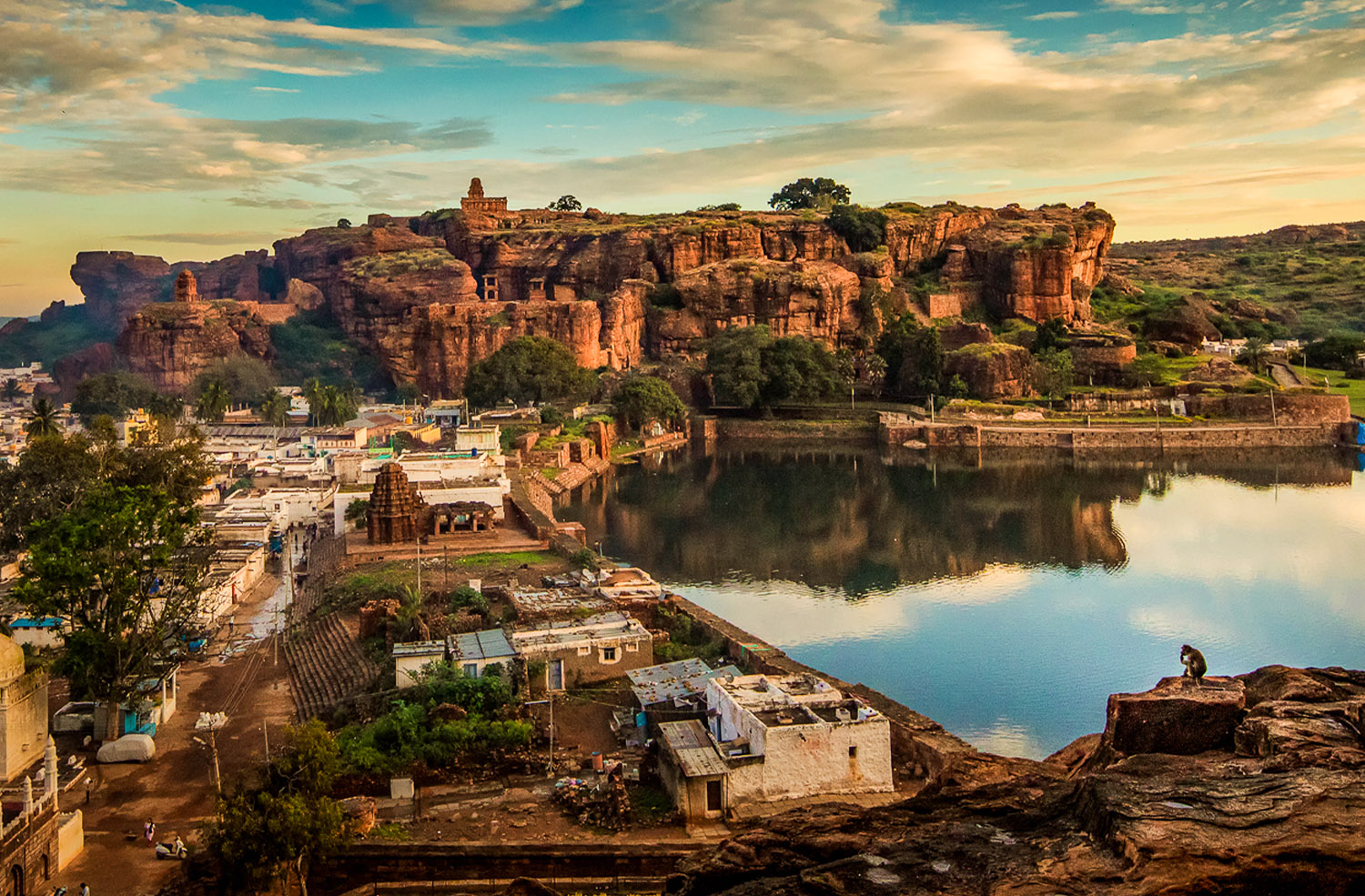
Badami, situated in Karnataka, India, is renowned for its rock-cut temples and historical significance. It served as the capital of the Chalukyan Empire from the 6th to the 8th centuries. The site is famous for its impressive temples carved into sandstone cliffs, representing the early achievements of Chalukyan architecture.

Badami's historical importance is highlighted by its unique rock-cut temples, which include Hindu, Jain, and Buddhist influences. The site’s rich cultural heritage and architectural innovation make it a key historical landmark. Today, Badami continues to attract scholars and tourists interested in ancient Indian architecture and history.

SIGNIFICANCE

Badami is of great historical and architectural importance due to its early rock-cut temples and its role as the capital of the Chalukyan Empire. The site showcases a range of architectural styles, including Hindu, Jain, and Buddhist, reflecting the diverse religious influences of the time.

The rock-cut temples of Badami are particularly significant for their intricate carvings and innovative designs. These temples not only highlight the craftsmanship of the period but also serve as important examples of early Indian rock-cut architecture.

Badami’s contribution to the development of temple architecture and its status as a prominent historical site make it a key location in the study of ancient Indian history and architecture.

ARCHITECTURE

The architecture of Badami is a remarkable example of early Chalukyan rock-cut temple design, renowned for its unique features and artistic achievements. Flourishing from the 6th to 8th centuries, the site showcases the following architectural highlights:

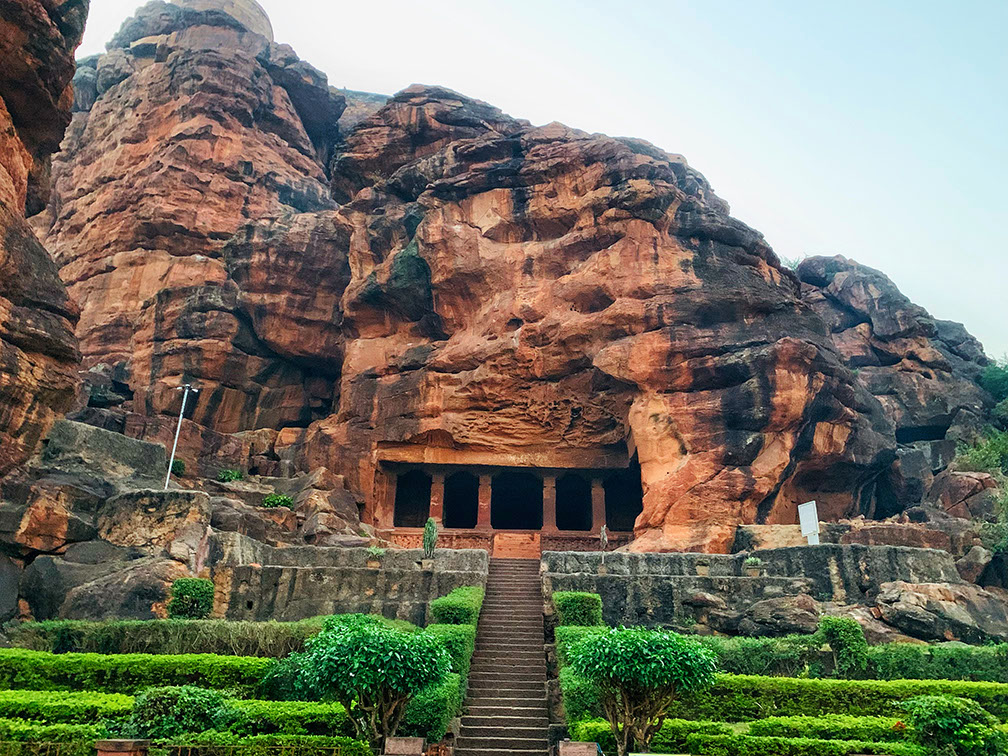
1. Rock-Cut Temples: Badami is famous for its rock-cut temples carved directly into sandstone cliffs. These temples represent some of the earliest examples of rock-cut architecture in India and include a variety of styles, including Hindu, Jain, and Buddhist influences.

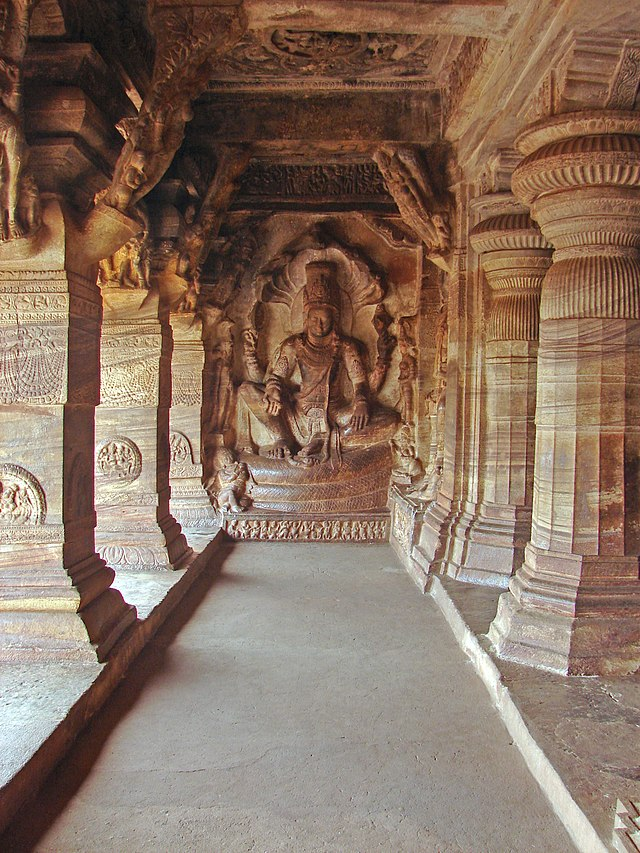
2. Intricate Carvings: The temples at Badami feature detailed carvings of deities, mythological scenes, and decorative motifs. These carvings demonstrate the advanced sculptural skills of the Chalukyan period and provide insight into the artistic achievements of the era.

3. Unique Temple Layouts: The rock-cut temples are carved into three distinct caves, each with its own layout and design. These caves include features such as pillared halls, sanctums, and elaborate facades, reflecting the architectural experimentation of the time.

4. Architectural Innovation: The temples at Badami are notable for their innovative use of natural rock formations and their integration with the surrounding landscape. This approach to temple construction highlights the adaptability and creativity of Chalukyan architects.

5. Distinctive Temples: Notable temples at Badami include:

- Cave 1: Known for its large central hall and intricate carvings of Hindu deities.

- Cave 2: Features elaborate carvings of Jain Tirthankaras and a well-preserved façade.

- Cave 3: Famous for its impressive sculptures of Vishnu and other deities, showcasing advanced sculptural techniques.

Overall, the architecture of Badami represents a significant phase in the development of Indian rock-cut temple architecture, reflecting the innovative spirit of the Chalukyan dynasty and its contributions to early medieval architecture.


Back to Karnataka