PATTADAKAL

UNESCO World Heritage Site

DYNASTY: Chalukya Dynasty

NEAREST CITY: Bagalkot

ARCHITECTURAL STYLE(S): Hindu Temples

AREA: Approximately 8 square kilometers (3.1 sq mi)

BUILT: 7th–8th century CE

ELEVATION: 620 m (2,034 ft)

GOVERNING BODY: Archaeological Survey of India
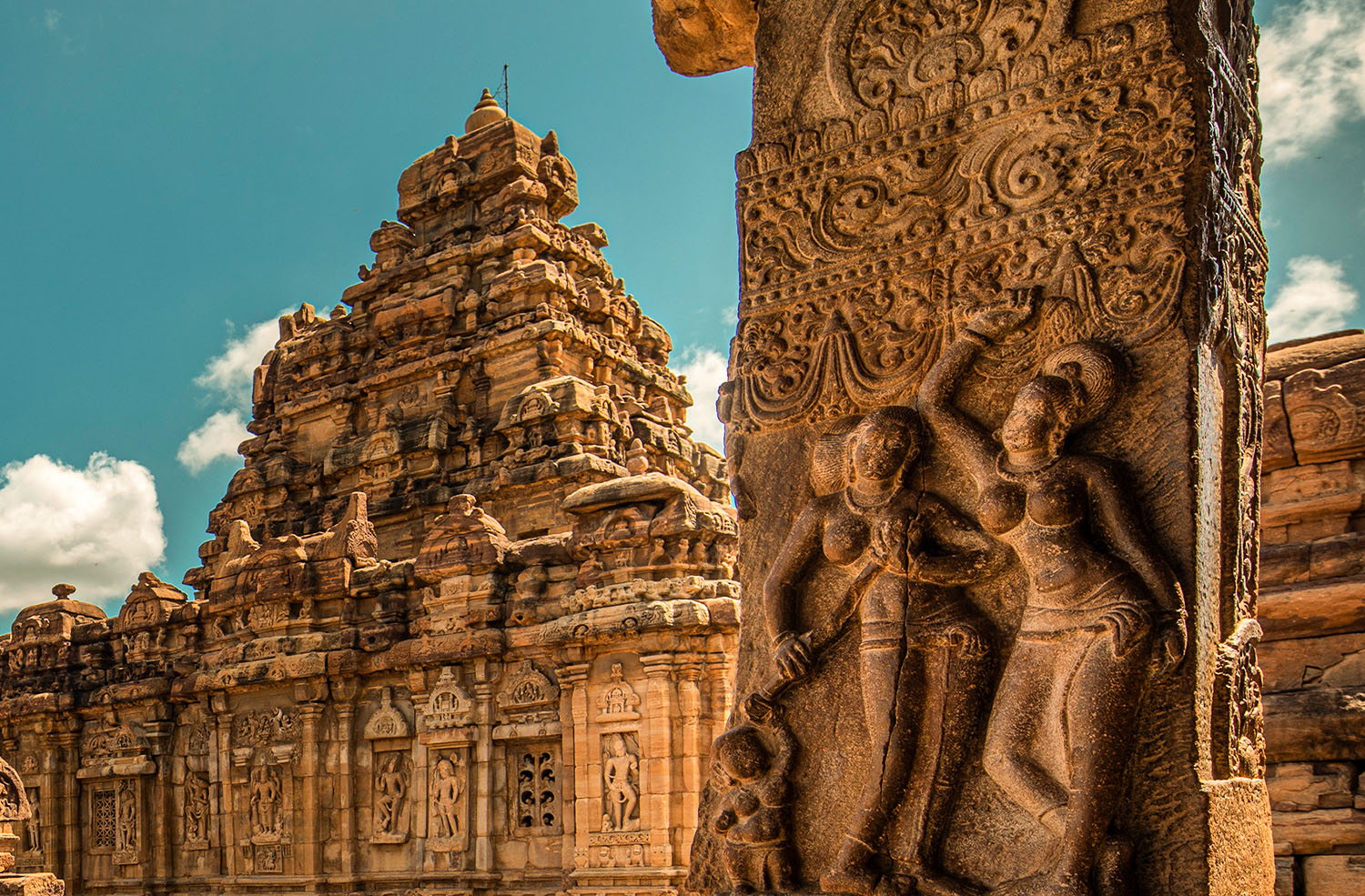
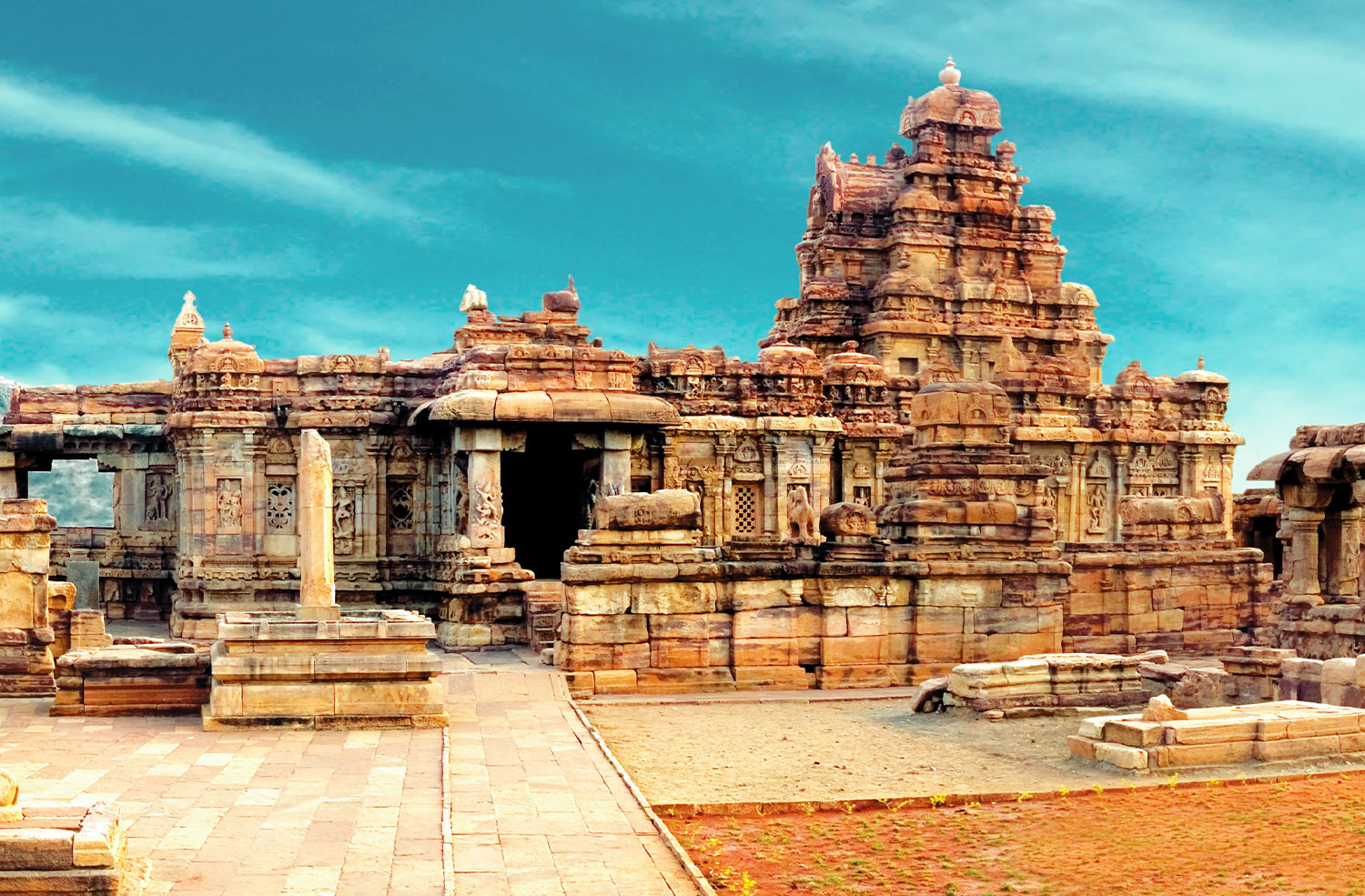
Pattadakal Temples
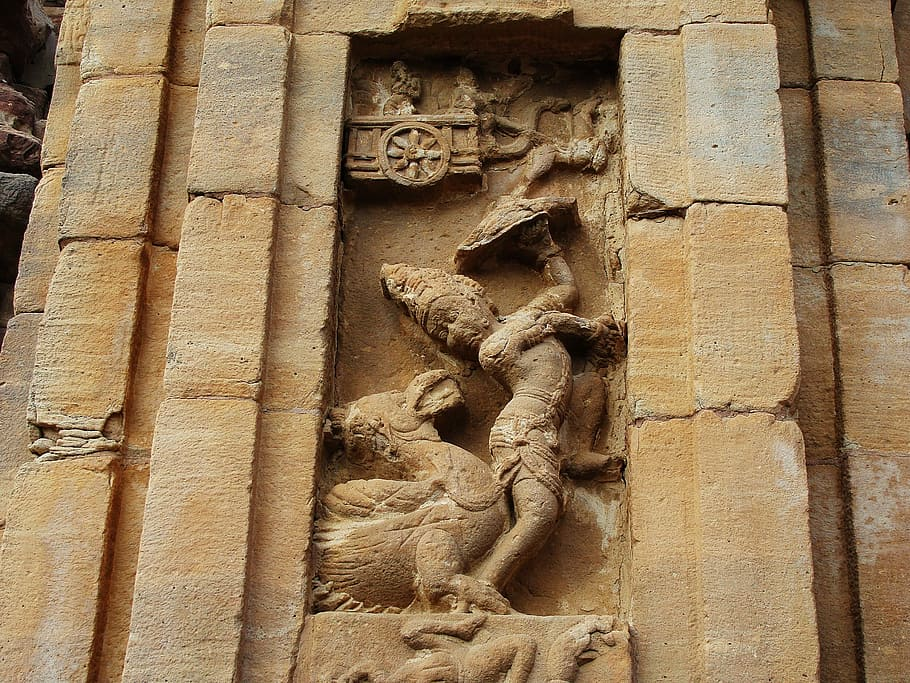
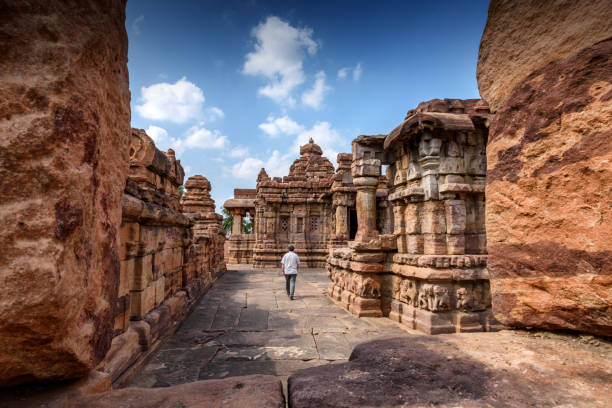
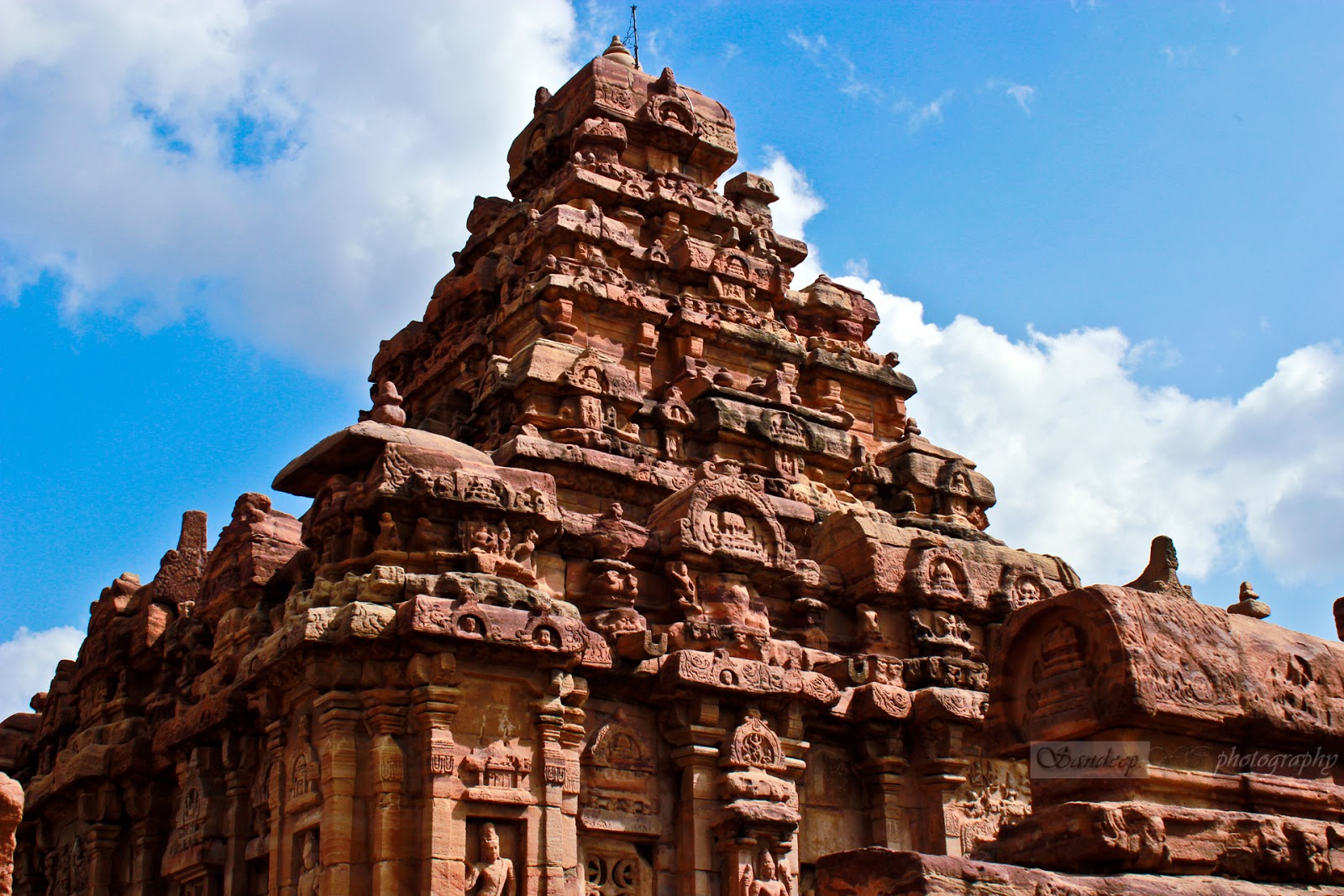
Pattadakal Temple 1 Pattadakal Temple 2 Pattadakal Temple 3 Pattadakal Temple 4

HISTORY

Pattadakal, located in Karnataka, India, is a renowned site known for its collection of temples built during the Chalukyan period. Serving as a key center of architecture and art from the 7th to 8th centuries CE, Pattadakal is celebrated for its exemplary integration of various architectural styles.

The site includes a range of temples showcasing a fusion of North and South Indian architectural elements, reflecting the transitional phase in Indian temple architecture. Its historical significance is marked by its role as a capital and religious center during the Chalukyan dynasty. Today, Pattadakal is recognized as a UNESCO World Heritage Site, admired for its architectural and artistic achievements.

SIGNIFICANCE

Pattadakal is of profound significance due to its architectural diversity and historical importance. The site is known for its collection of temples that display a synthesis of architectural styles from different regions of India.

The temples at Pattadakal feature a blend of Dravidian and Nagara styles, showcasing the creative experimentation and architectural prowess of the Chalukyan period. This site is particularly noted for its well-preserved temples and their intricate carvings, which highlight the artistic achievements of the time.

As a key center of Chalukyan architecture, Pattadakal reflects the zenith of early medieval Indian temple design and continues to be an important reference point for the study of historical architecture.

ARCHITECTURE

The architecture of Pattadakal is a remarkable example of Chalukyan temple design, notable for its blend of various architectural styles and intricate craftsmanship. Flourishing during the 7th to 8th centuries, the site features the following architectural highlights:

1. Diverse Temple Styles: Pattadakal is famous for its array of temples that combine elements from both Northern (Nagara) and Southern (Dravidian) architectural styles. This fusion reflects the transitional period in Indian temple architecture.

2. Intricate Carvings: The temples at Pattadakal are renowned for their elaborate carvings and sculptures, including mythological scenes, deities, and decorative motifs. These carvings are a testament to the advanced artistic skills of the Chalukyan craftsmen.

3. Varied Temple Layouts: The site features a range of temple layouts, including both free-standing and partially rock-cut structures. This variety highlights the experimentation with different architectural forms and configurations.

4. Notable Temples: Significant temples at Pattadakal include:

- Virupaksha Temple: Known for its elaborate carvings and detailed façade, reflecting a blend of Dravidian and Nagara styles.

- Badami Chalukya Temple: Famous for its unique design and ornate sculptures, showcasing the architectural sophistication of the period.

- Jambulingeshwara Temple: Recognized for its intricate carvings and well-preserved structure, representing the zenith of Chalukyan temple architecture.

Overall, the architecture of Pattadakal represents a significant phase in the development of Indian temple design, demonstrating the Chalukyan dynasty’s role in pioneering innovative and influential architectural styles.


Back to Karnataka