UNESCO World Heritage Site
DYNASTY: Vijayanagara Dynasty
AREA: 41.5 sq kilometer
FOUNDERS: King Harihara I and Bukka Raya I
CAPITAL: Hampi
DYNASTY: Vijayanagara Dynasty
AREA: 41.5 sq kilometer
FOUNDERS: King Harihara I and Bukka Raya I
CAPITAL: Hampi
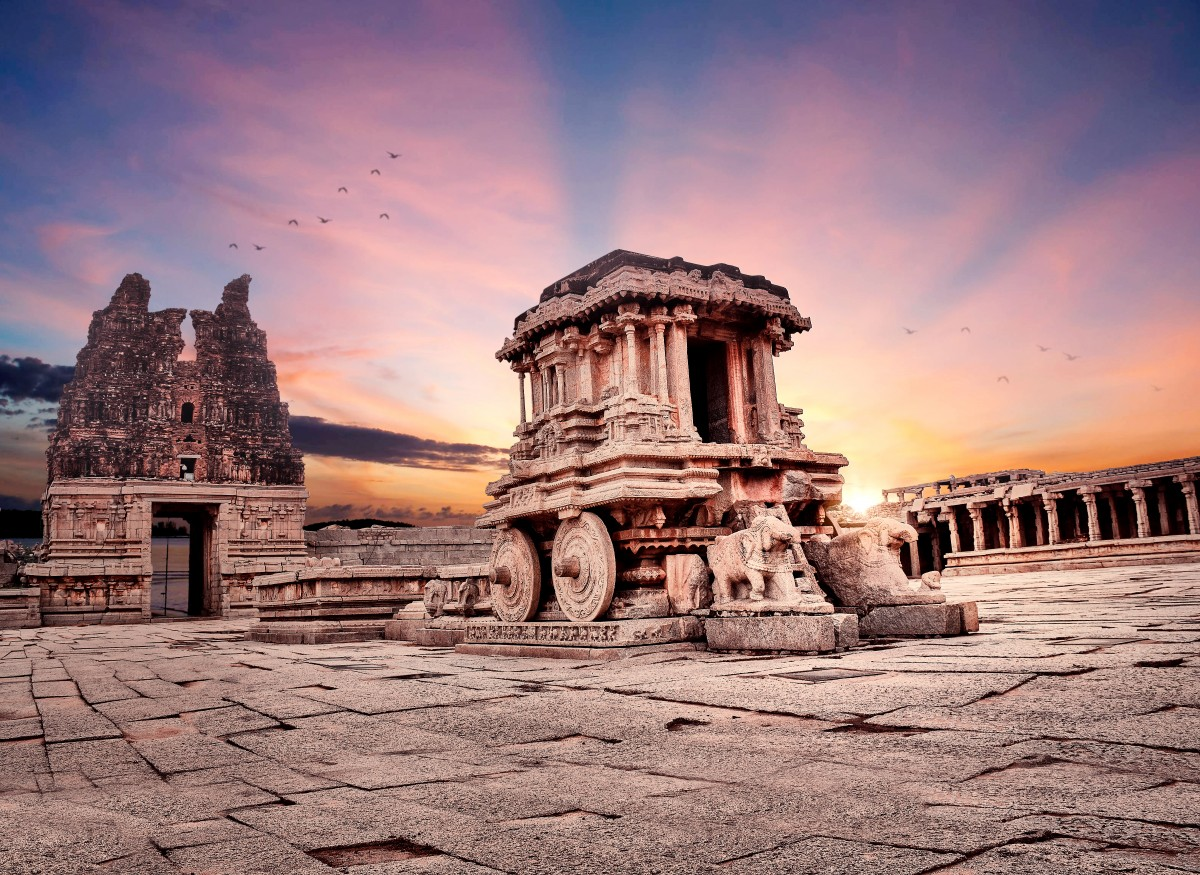
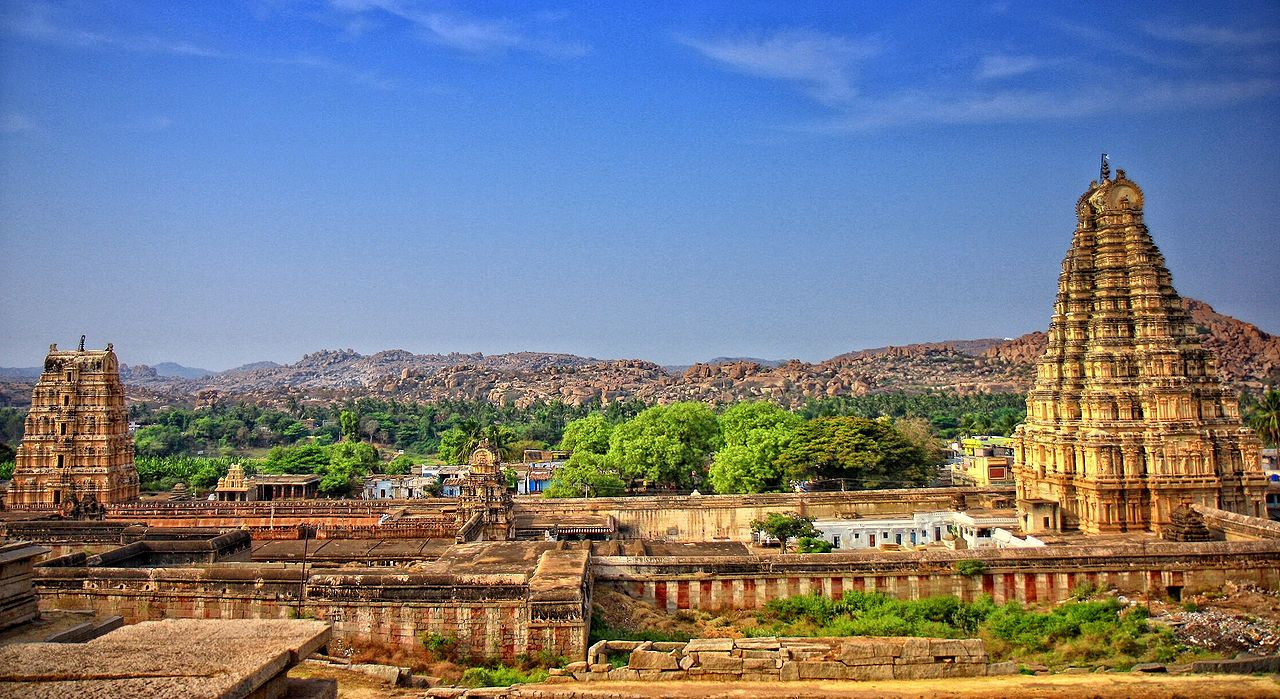
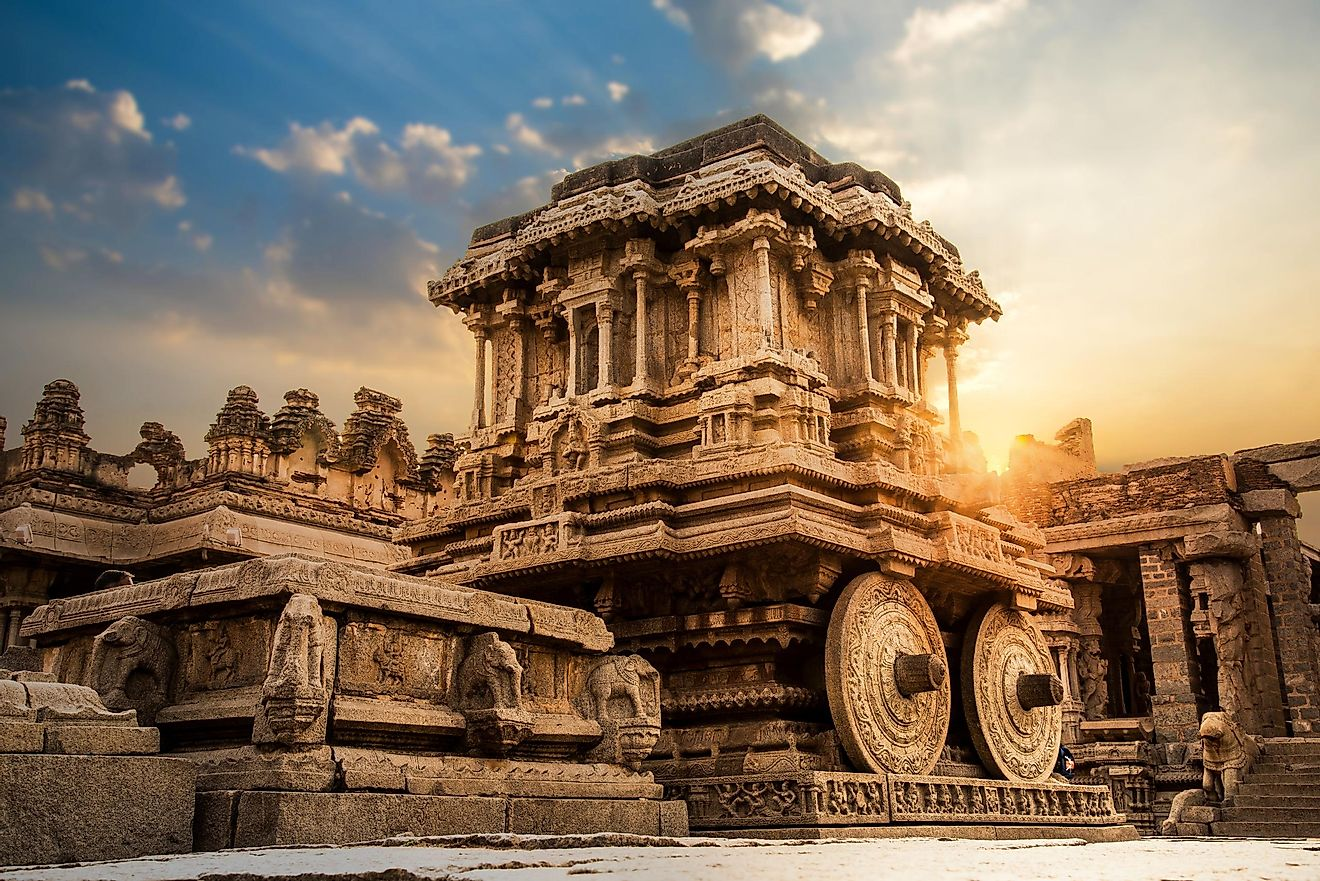
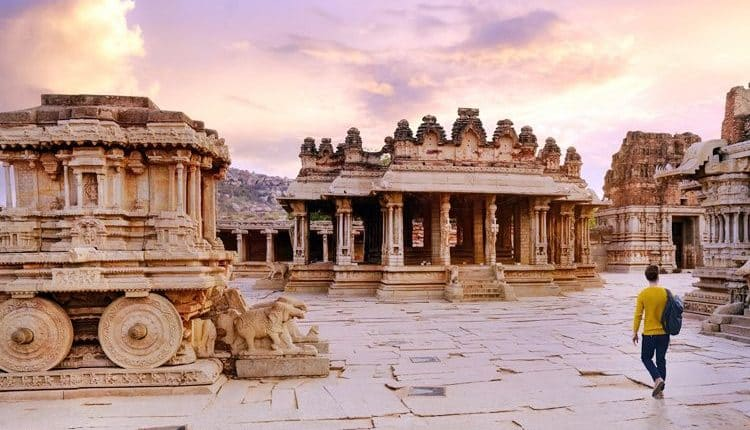
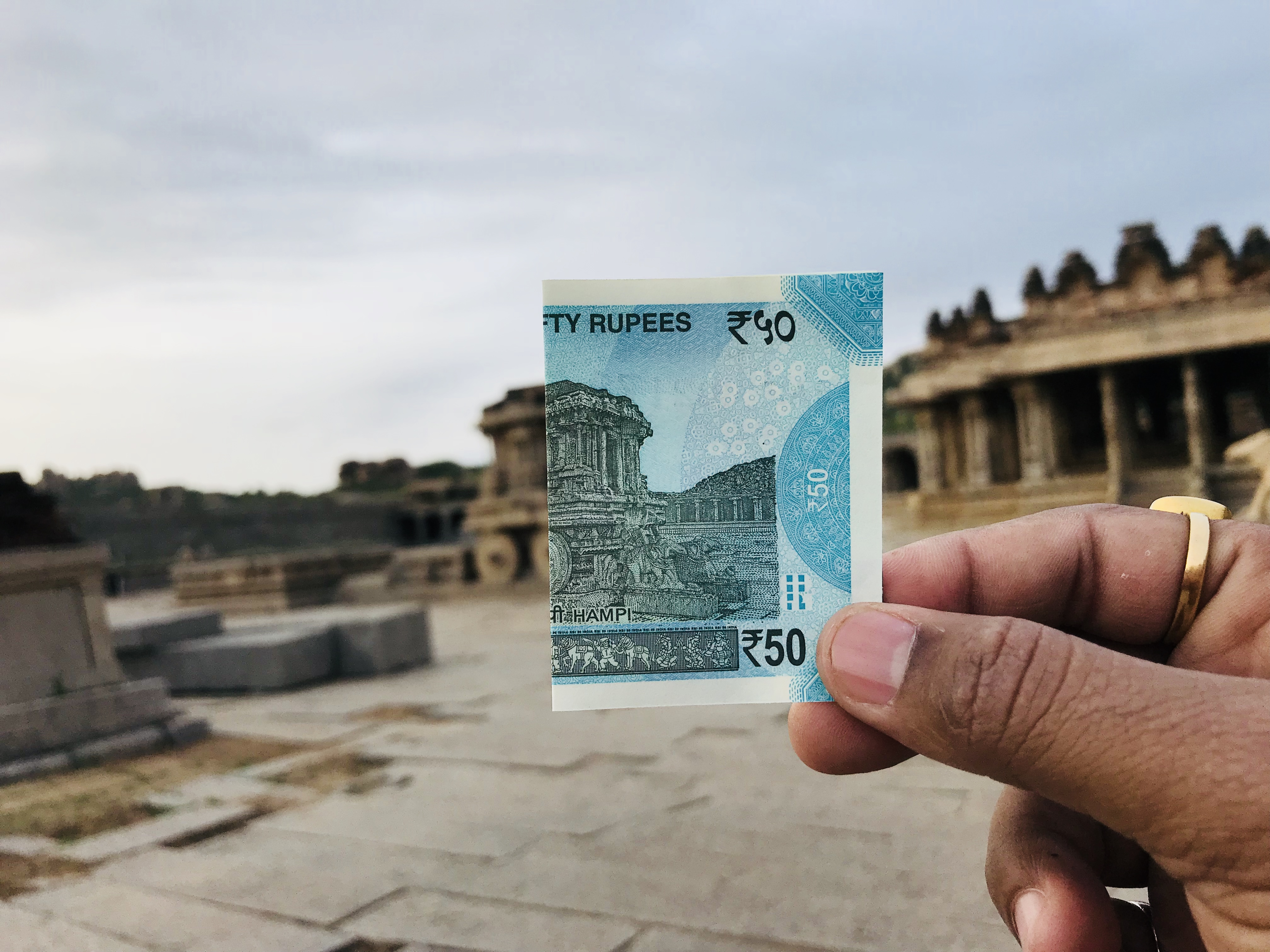
Hampi, a UNESCO World Heritage Site, was once the flourishing capital of the Vijayanagara Empire from the 14th to the 16th centuries. Established by King Harihara I and Bukka Raya I, it was a vibrant center of trade, culture, and politics. The city was renowned for its impressive architecture, including grand temples, palaces, and market streets.
Despite its decline following the empire's defeat by the Deccan Sultanates in 1565, its ruins still reflect its historical grandeur. Today, Hampi is celebrated for its architectural marvels and rich cultural heritage, attracting scholars and tourists alike. Its historical significance provides insight into medieval South Indian history and architecture.
Hampi is a UNESCO World Heritage Site known for its impressive architecture.
It was the thriving capital of the Vijayanagara Empire from the 14th to 16th centuries.
The site features grand temples, palaces, and market streets showcasing advanced craftsmanship.
Hampi was a major cultural and trade hub, attracting merchants and scholars.
The ruins provide valuable insights into medieval South Indian history and urban planning.
Its unique landscape and historical significance make it a popular destination for tourists and historians
The architecture of Hampi is distinguished by its grandeur and complexity, reflecting the artistic and engineering prowess of the Vijayanagara Empire:
1. Temple Architecture: Hampi features elaborate temples such as the Virupaksha Temple and the Vithala Temple Complex, renowned for their intricately carved pillars and large courtyards.
2. Dravidian Style The architectural style is primarily Dravidian, characterized by towering gopurams (gateway towers), mandapas (pillared halls), and intricate sculptural work.
3. Monolithic Structures Unique monolithic structures, including the famous Stone Chariot in the Vithala Temple Complex, showcase the skillful carving of single rock formations.
4. Royal Enclosures The site includes extensive royal enclosures with grand palaces, audience halls, and bathing tanks, demonstrating the empire's opulence and sophistication.
5. Water Management Advanced water management systems, such as the step wells and aqueducts, reflect the ingenuity of ancient engineering to support the city’s large population.
6. Market Streets Ruins of market streets like the Hampi Bazaar illustrate the bustling commercial activity and urban planning of the Vijayanagara Empire.
Back to Karnataka