Royal Residence
LOCATION: Mysore, Karnataka, India
BUILT: 1897–1912 CE
ARCHITECTURAL STYLE(S): Indo-Saracenic Revival
AREA: Approximately 72,000 square feet
GOVERNING BODY: Government of Karnataka
LOCATION: Mysore, Karnataka, India
BUILT: 1897–1912 CE
ARCHITECTURAL STYLE(S): Indo-Saracenic Revival
AREA: Approximately 72,000 square feet
GOVERNING BODY: Government of Karnataka
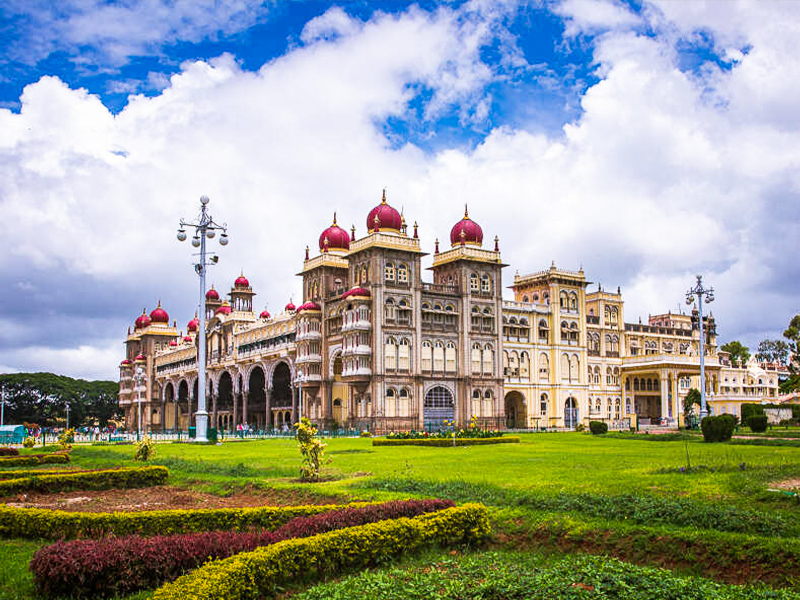
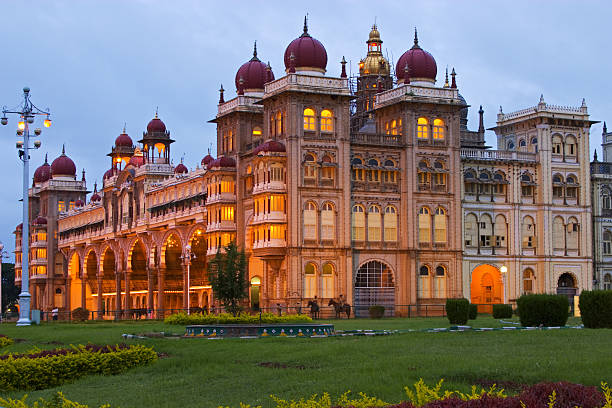
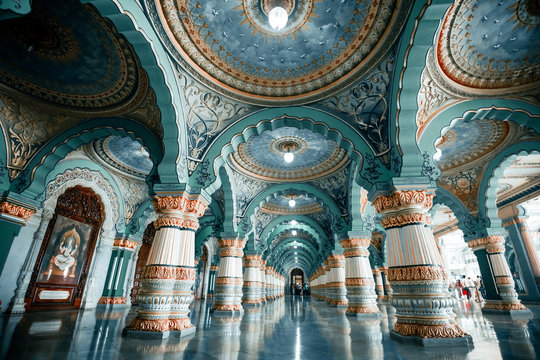
The Mysore Palace, located in Mysore, Karnataka, is an iconic symbol of the city and a grand example of Indo-Saracenic architecture. Constructed between 1897 and 1912, the palace was built as the residence for the Wadiyar dynasty, who were the rulers of the Kingdom of Mysore.
The current structure is the third palace built on this site, replacing the previous ones destroyed by fire. The design incorporates a blend of Hindu, Muslim, Gothic, and Rajput architectural styles, reflecting the eclectic tastes of the late 19th and early 20th centuries. Today, Mysore Palace stands as a major tourist attraction and an important cultural landmark, celebrated for its majestic architecture and historical significance.
Mysore Palace is significant for its architectural grandeur and its role in the history of the Wadiyar dynasty. The palace is renowned for its Indo-Saracenic Revival style, which combines elements from various architectural traditions into a harmonious design.
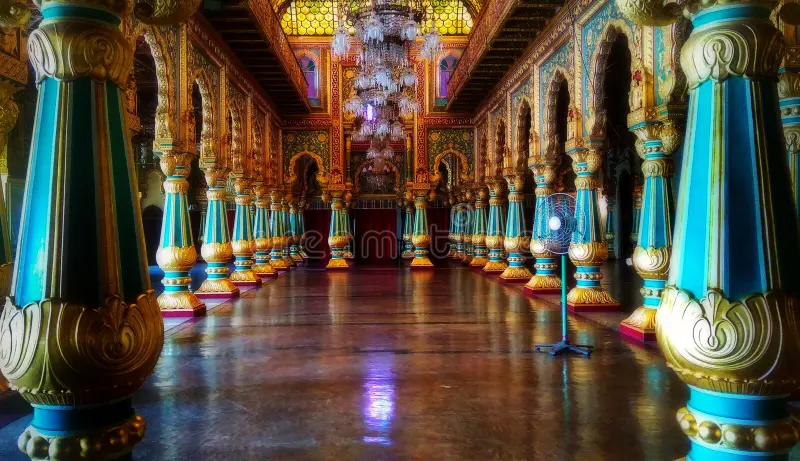
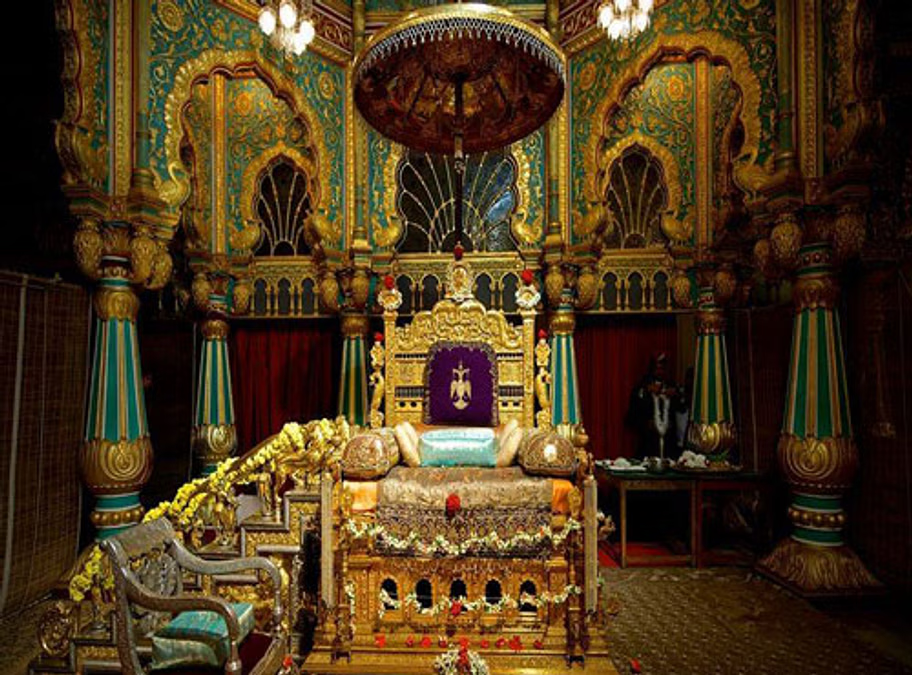
The palace features intricate carvings, stunning stained glass windows, and opulent interiors that reflect the wealth and artistry of the time. Its historical importance is underscored by its role as the residence of the royal family and its continued significance as a symbol of Mysore's cultural heritage.
Mysore Palace is also renowned for its annual Dasara festival, during which the palace is illuminated with thousands of lights, attracting tourists and photographers from around the world.
The architecture of Mysore Palace is a splendid example of Indo-Saracenic Revival style, characterized by a blend of various architectural traditions. Constructed between 1897 and 1912, the palace showcases the following architectural highlights:
1. Indo-Saracenic Revival Style: The palace's design combines elements from Hindu, Muslim, Gothic, and Rajput architectural styles. This eclectic mix creates a unique and grandiose appearance that reflects the opulence of the Wadiyar dynasty.
2. Intricate Carvings: The palace features elaborate carvings and decorative motifs, including ornate arches, columns, and ceilings. These carvings are a testament to the craftsmanship and artistic skills of the period.
3. Stunning Interiors: The interiors of the palace include richly decorated rooms, including the Kalyana Mantapa (marriage hall), which is known for its stained glass windows and intricate chandeliers. The use of materials such as marble, mahogany, and gold enhances the palace's grandeur.
4. Majestic Facade: The exterior of the palace is characterized by its imposing facade, featuring domes, turrets, and a large central tower. The facade's design incorporates a blend of Islamic arches and Hindu spires, contributing to its distinctive appearance.
5. Grand Courtyards and Gardens: The palace is surrounded by beautifully landscaped gardens and courtyards. The gardens enhance the palace's aesthetic appeal and provide a serene environment for visitors.
Overall, the architecture of Mysore Palace exemplifies the grandeur and sophistication of the Wadiyar dynasty, reflecting a blend of diverse architectural influences and artistic achievements.