Historical Monument
LOCATION: Bijapur, Karnataka, India
BUILT: 1626–1656 CE
ARCHITECTURAL STYLE(S): Deccan Sultanate
AREA: Approximately 5000 square meters (53,800 sq ft)
GOVERNING BODY: Archaeological Survey of India
LOCATION: Bijapur, Karnataka, India
BUILT: 1626–1656 CE
ARCHITECTURAL STYLE(S): Deccan Sultanate
AREA: Approximately 5000 square meters (53,800 sq ft)
GOVERNING BODY: Archaeological Survey of India

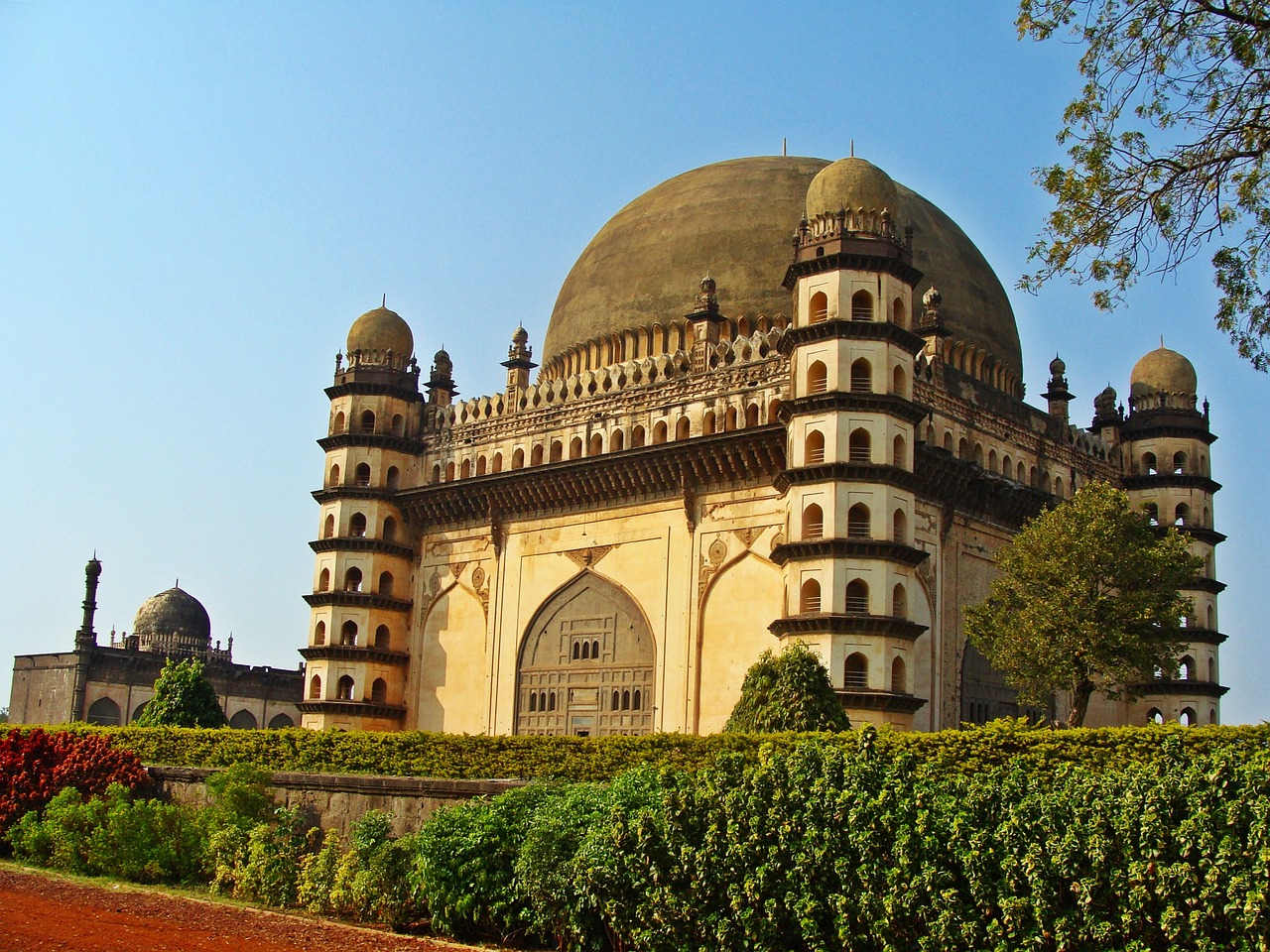
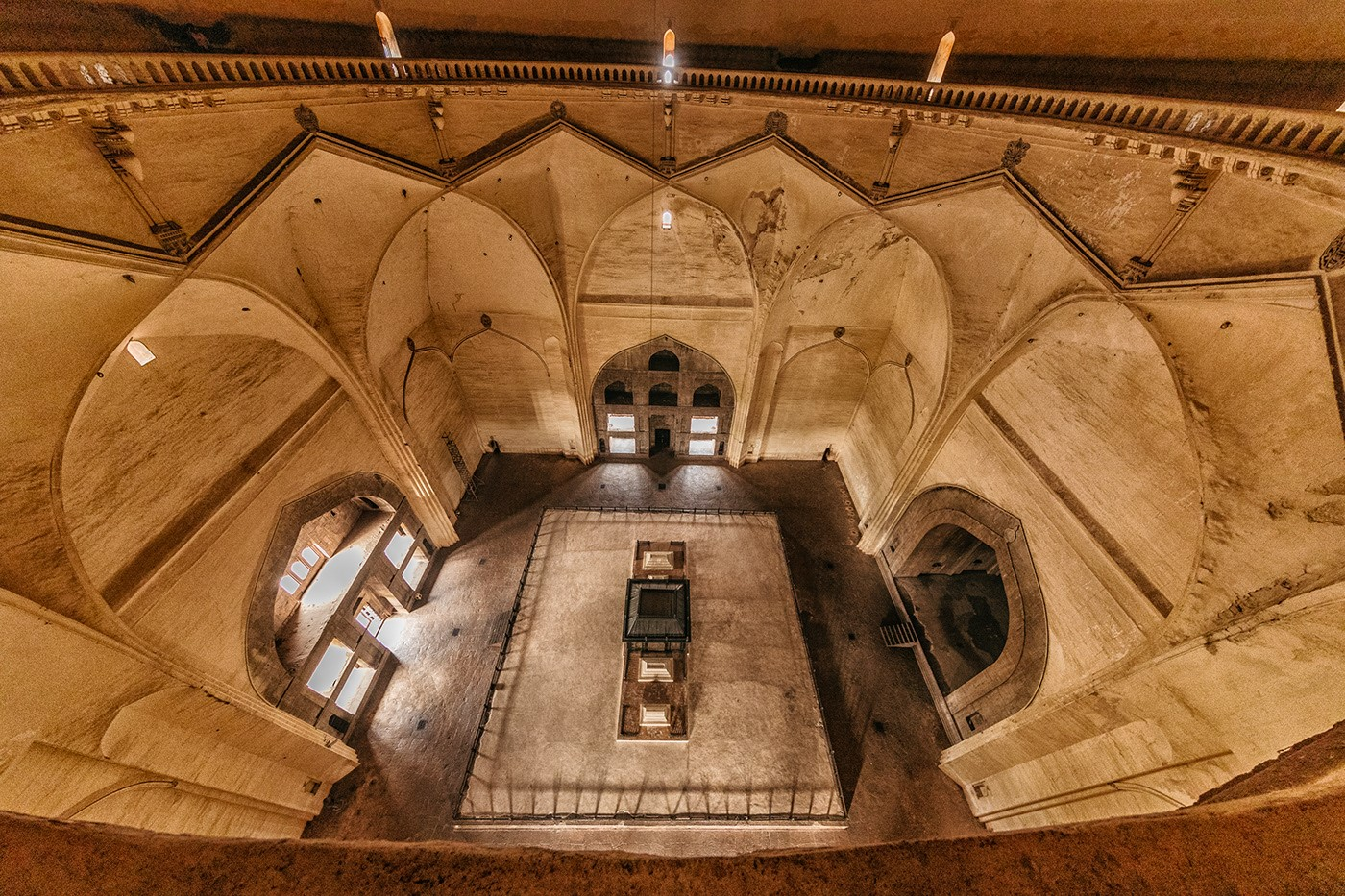
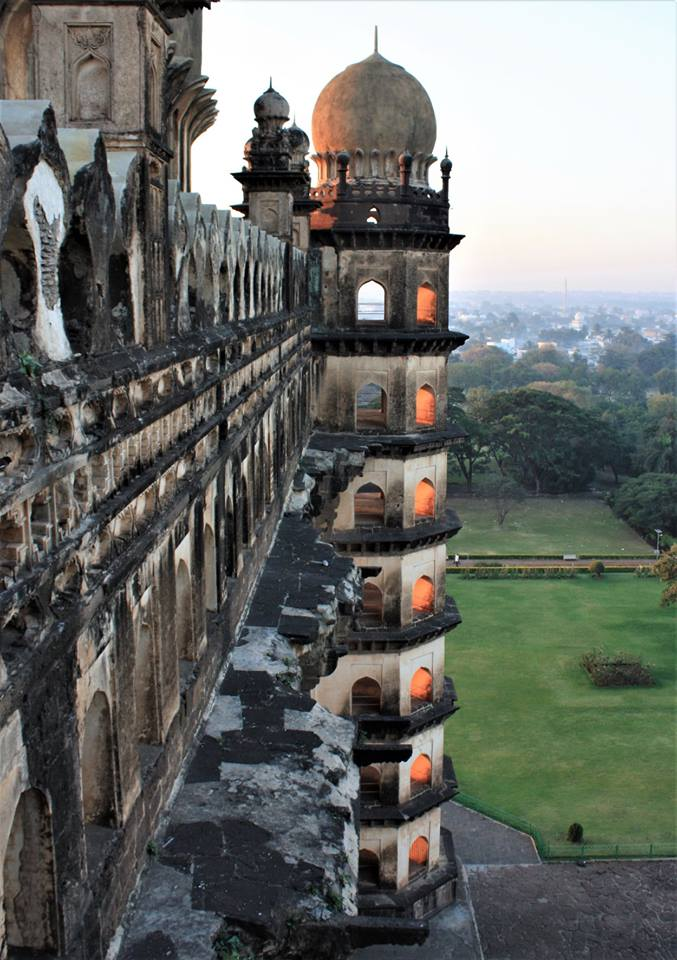

Gol Gumbaz, located in Bijapur, Karnataka, is one of the most impressive examples of Deccan Sultanate architecture. Constructed between 1626 and 1656 CE, it was built as the mausoleum for Mohammed Adil Shah, the Sultan of Bijapur. The monument is renowned for its massive dome, which is one of the largest in the world.
The design of Gol Gumbaz reflects the grandeur of the Adil Shahi dynasty and showcases the architectural prowess of the time. The structure includes a unique acoustic feature that allows for echoes to reverberate within the dome, creating a dramatic effect. Today, Gol Gumbaz is a significant historical site and a prominent tourist attraction.
Gol Gumbaz is renowned for its architectural and historical significance. It is celebrated for its grand dome, which remains one of the largest unsupported domes in the world. The design incorporates advanced engineering techniques that were innovative for its time.
The monument's unique acoustics are a notable feature; sounds within the dome can echo for up to 15 seconds. This phenomenon adds to the architectural marvel of the structure.
As the mausoleum of Sultan Mohammed Adil Shah, Gol Gumbaz also holds historical importance, representing the artistic and cultural achievements of the Adil Shahi dynasty. Its status as a significant architectural landmark underscores its importance in the history of Indian architecture.
The architecture of Gol Gumbaz is an outstanding example of Deccan Sultanate design, renowned for its innovative features and grand scale. Built between 1626 and 1656 CE, the monument includes the following architectural highlights:
1. Massive Dome: Gol Gumbaz is famous for its enormous dome, which is one of the largest in the world. The dome is constructed without internal supports, demonstrating advanced engineering and architectural skills of the time.
2. Unique Acoustic Design: The dome features a remarkable acoustic property where sounds can echo for up to 15 seconds. This design element was likely intended for both its dramatic effect and its practical use in the structure’s function.
3. Four Minarets: The structure includes four minarets that support the dome and add to the monument's grand appearance. These minarets are adorned with intricate carvings and contribute to the overall aesthetic of the building.
4. Elaborate Decoration: The exterior of Gol Gumbaz is embellished with detailed geometric patterns and inscriptions, reflecting the artistic craftsmanship of the era.
5. Symmetrical Layout: The overall layout of Gol Gumbaz is symmetrical, with the central dome surrounded by an octagonal plan. This symmetry enhances the monument's visual impact and architectural coherence.
Overall, the architecture of Gol Gumbaz exemplifies the grandeur and innovation of Deccan Sultanate design, highlighting the artistic and engineering achievements of the period.