Historic Fort
LOCATION: Bidar, Karnataka, India
BUILT: 15th Century CE
ARCHITECTURAL STYLE(S): Deccan Sultanate
AREA: Approximately 30 hectares (74 acres)
GOVERNING BODY: Archaeological Survey of India
LOCATION: Bidar, Karnataka, India
BUILT: 15th Century CE
ARCHITECTURAL STYLE(S): Deccan Sultanate
AREA: Approximately 30 hectares (74 acres)
GOVERNING BODY: Archaeological Survey of India
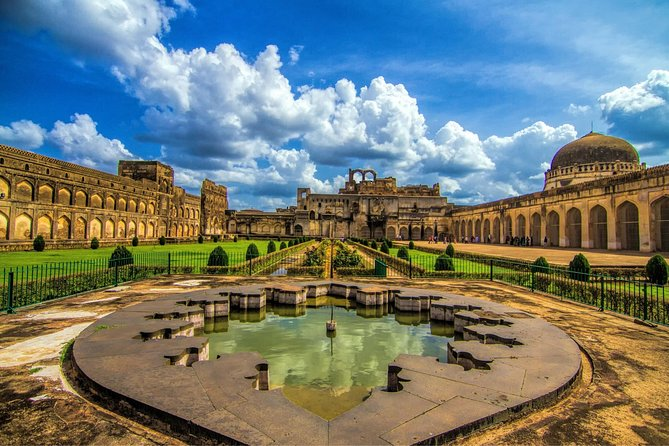
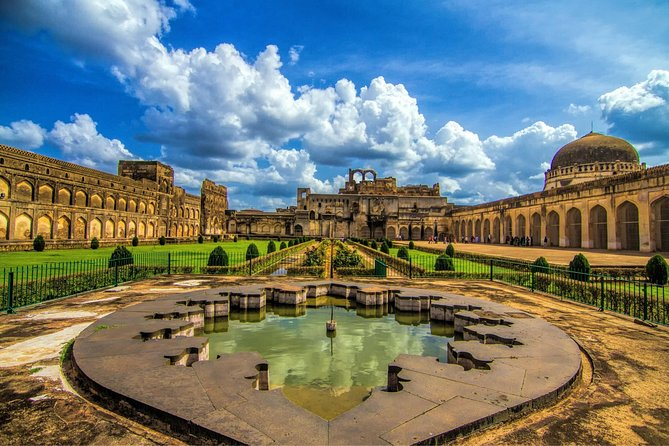
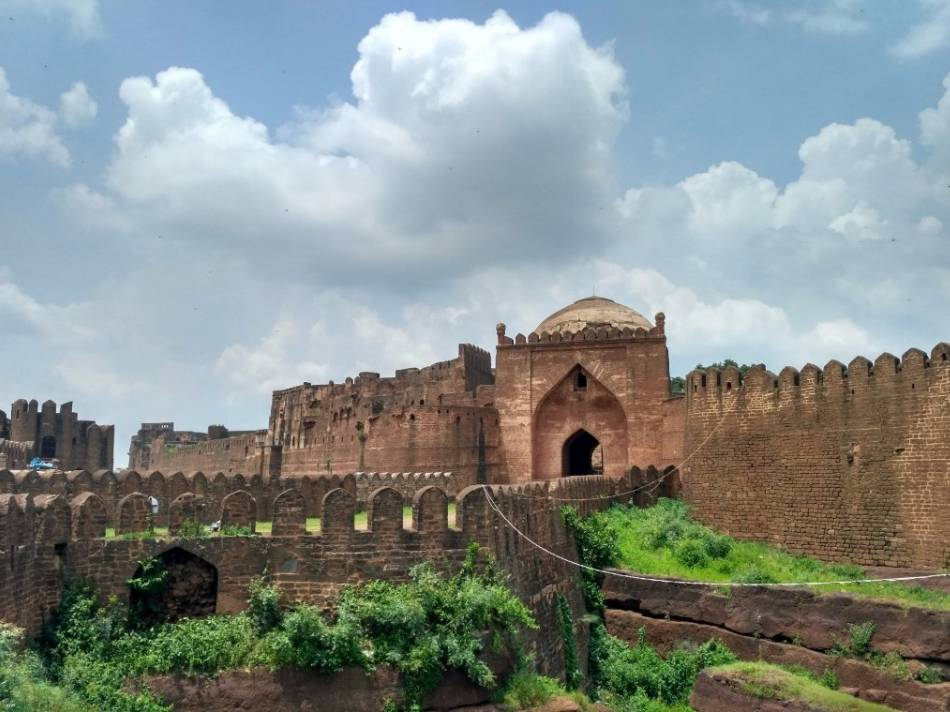
Bidar Fort, located in Bidar, Karnataka, is a prominent historical fortification known for its impressive architecture and historical significance. Constructed during the reign of the Bahmani Sultanate in the 15th century CE, the fort was expanded and enhanced by subsequent rulers, including the Adil Shahis of Bijapur.
The fort played a strategic role in the region due to its location and formidable defenses. It housed several important structures including palaces, mosques, and a water supply system. The fort's design reflects the military and architectural advancements of the Deccan Sultanate period. Today, Bidar Fort stands as a testament to the grandeur of medieval Indian fortifications and continues to attract visitors interested in history and architecture.
Bidar Fort is significant for its architectural innovation and historical importance. It represents the advanced military engineering and architectural techniques of the Deccan Sultanate period.
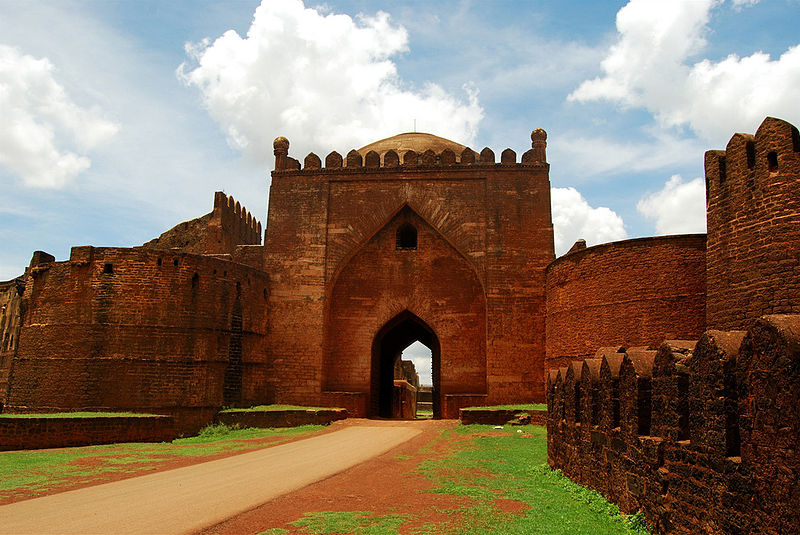
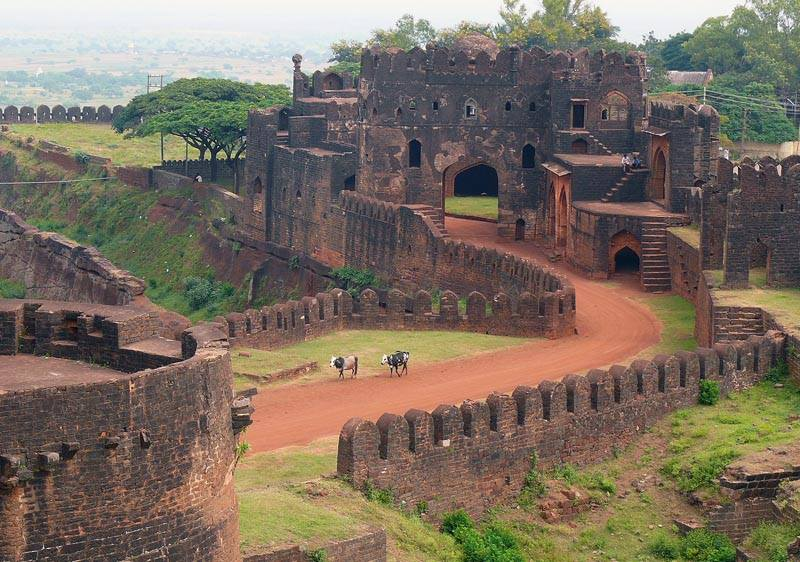
The fort is renowned for its well-planned defensive structures, including massive walls, bastions, and gates. It also features unique elements such as the Rangin Mahal with its vibrant tilework and the Solah Khamba Mosque with its elegant design.
Bidar Fort’s water supply system, including the ingenious use of underground tanks and channels, showcases the advanced hydraulic engineering of the time. Its strategic importance and architectural grandeur make it a key site in the history of medieval Indian fortifications.
The architecture of Bidar Fort is a remarkable example of Deccan Sultanate design, showcasing a range of innovative features and structures. Built in the 15th century CE, the fort includes the following architectural highlights:
1. Massive Defensive Walls: The fort is surrounded by imposing walls that stretch for several kilometers. These walls are fortified with bastions and watchtowers, providing robust defenses against potential attackers.
2. Imposing Gates: Bidar Fort features several grand gates, including the main entrance known as the 'Bangalore Gate,' which is adorned with intricate carvings and defensive elements.
3. Rangin Mahal: This palace within the fort is known for its colorful tilework and elaborate decoration. The Mahal was used by the sultan and his court, reflecting the opulence of the Deccan Sultanate.
4. Solah Khamba Mosque: This mosque is notable for its elegant design and architectural sophistication. The mosque’s name, meaning 'Sixteen Pillar Mosque,' refers to the sixteen finely carved pillars that support its structure.
5. Water Supply System: The fort includes an advanced water supply system, with underground tanks and channels designed to ensure a reliable water source for the fort’s inhabitants.
6. Innovative Defenses: The fort’s design includes features such as moats and elaborate gateways, which were strategically implemented to enhance its defensive capabilities.
Overall, the architecture of Bidar Fort reflects the military ingenuity and artistic achievements of the Deccan Sultanate period, making it a significant historical and architectural landmark.