UNESCO World Heritage Site
DYNASTY: Hoysala Dynasty
FEATURE: Exemplary Hoysala Art and ARchitecture
FOUNDERS: King Vishnuvardhana
NOTABLE FEATURE: Intricate Sculpture Work
DYNASTY: Hoysala Dynasty
FEATURE: Exemplary Hoysala Art and ARchitecture
FOUNDERS: King Vishnuvardhana
NOTABLE FEATURE: Intricate Sculpture Work
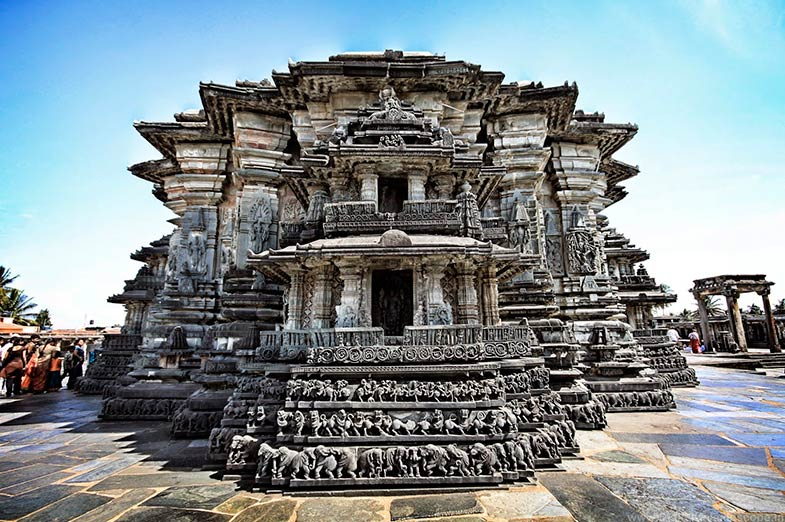
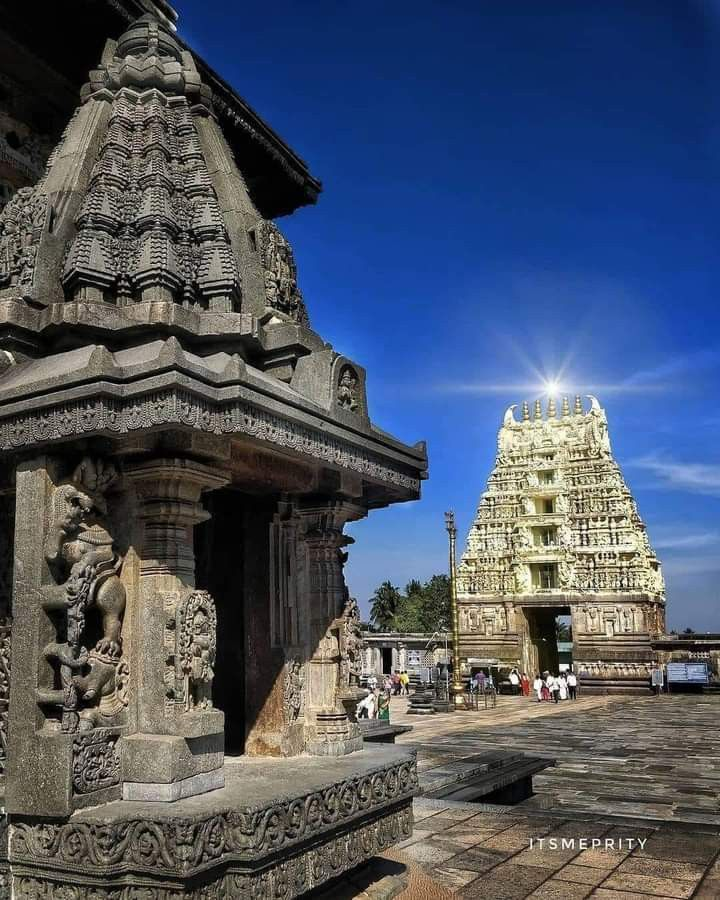
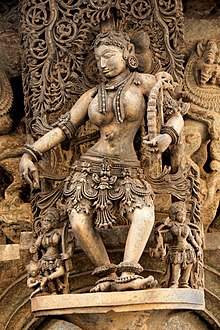
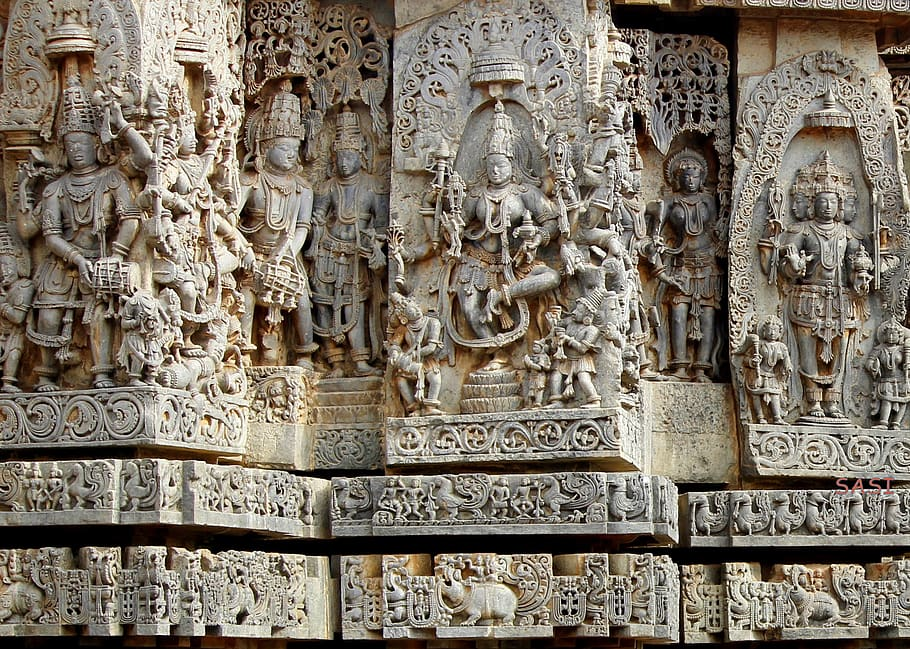
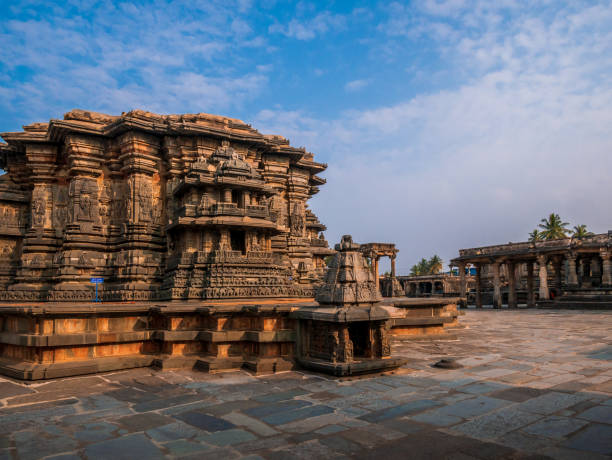
The Belur Chennakesava Temple, located in Karnataka, India, was built in the 12th century by the Hoysala king Vishnuvardhana. It is renowned for its exceptional Hoysala architecture and intricate sculptures, which depict various deities, mythological scenes, and detailed motifs.
The temple is dedicated to Lord Chennakesava, an incarnation of Vishnu. The Chennakesava Temple is part of a larger complex that includes several other temples, showcasing the artistic and cultural zenith of the Hoysala dynasty.
Its elaborate carvings and detailed artwork reflect the sophisticated craftsmanship of the time. Today, it stands as a UNESCO World Heritage Site, attracting visitors and scholars interested in medieval Indian art and architecture.
The Belur Chennakesava Temple is significant for several reasons. It exemplifies Hoysala architecture with its intricate carvings and star-shaped plan, showcasing the advanced craftsmanship of the 12th century.
The temple is a key repository of Hoysala culture, reflecting the artistic and religious practices of the era through its detailed sculptures. Built during King Vishnuvardhana's reign, it symbolizes the prosperity of the Hoysala dynasty.
As a UNESCO World Heritage Site, it is recognized globally for its cultural and architectural value. The temple attracts scholars and tourists, aiding in the preservation of South Indian art. It also remains an important pilgrimage site, contributing to the spiritual life of the community.
The architecture of the Belur Chennakesava Temple is a masterpiece of Hoysala design, renowned for its intricate artistry and innovative features. Constructed in the 12th century, the temple showcases the following architectural highlights:
1. Star-Shaped Plan The temple's ground plan is unique, featuring a stellate (star-shaped) design with multiple projections, which enhances the play of light and shadow on its surface. This plan is a hallmark of Hoysala architecture and contributes to the temple's striking appearance.
2. Elaborate Carvings The temple is adorned with highly detailed and intricate carvings, including mythological scenes, deities, and decorative motifs. These carvings are renowned for their precision and complexity, demonstrating the advanced sculptural skills of the time.
3. Artistic Pillars The temple features intricately carved pillars with sculptures of gods, goddesses, and celestial beings. Each pillar is a work of art, showcasing detailed relief work and elaborate designs that enhance the temple’s aesthetic appeal.
4. The Kalyani (Pond) The temple complex includes a beautifully carved stepped tank, or kalyani, which was used for ritual bathing. Its design complements the temple's architecture and adds to the overall grandeur of the site.
5. Granite Construction Built primarily from granite, the temple’s construction is both durable and visually striking. The use of this material allowed for the creation of fine details and elaborate carvings that have stood the test of time.
6. Jagati (Platform) The temple is elevated on a high platform called a jagati, which allows for circumambulation around the shrine and adds to the grandeur of the structure. This platform also helps to protect the temple from the elements.
Overall, the Chennakesava Temple's architecture reflects the zenith of Hoysala artistic achievement and remains a testament to the sophistication of medieval South Indian temple design.
Back to Karnataka